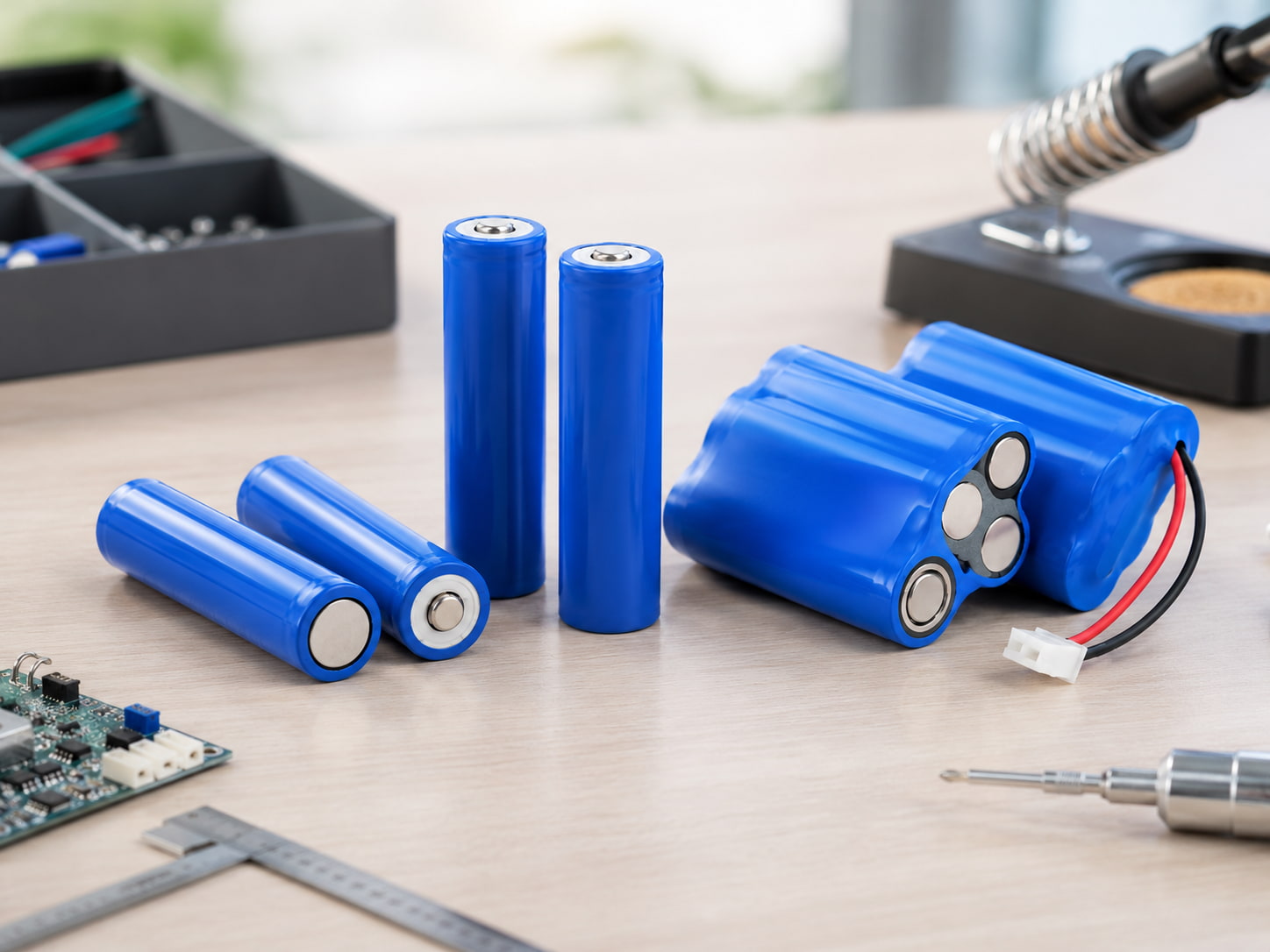
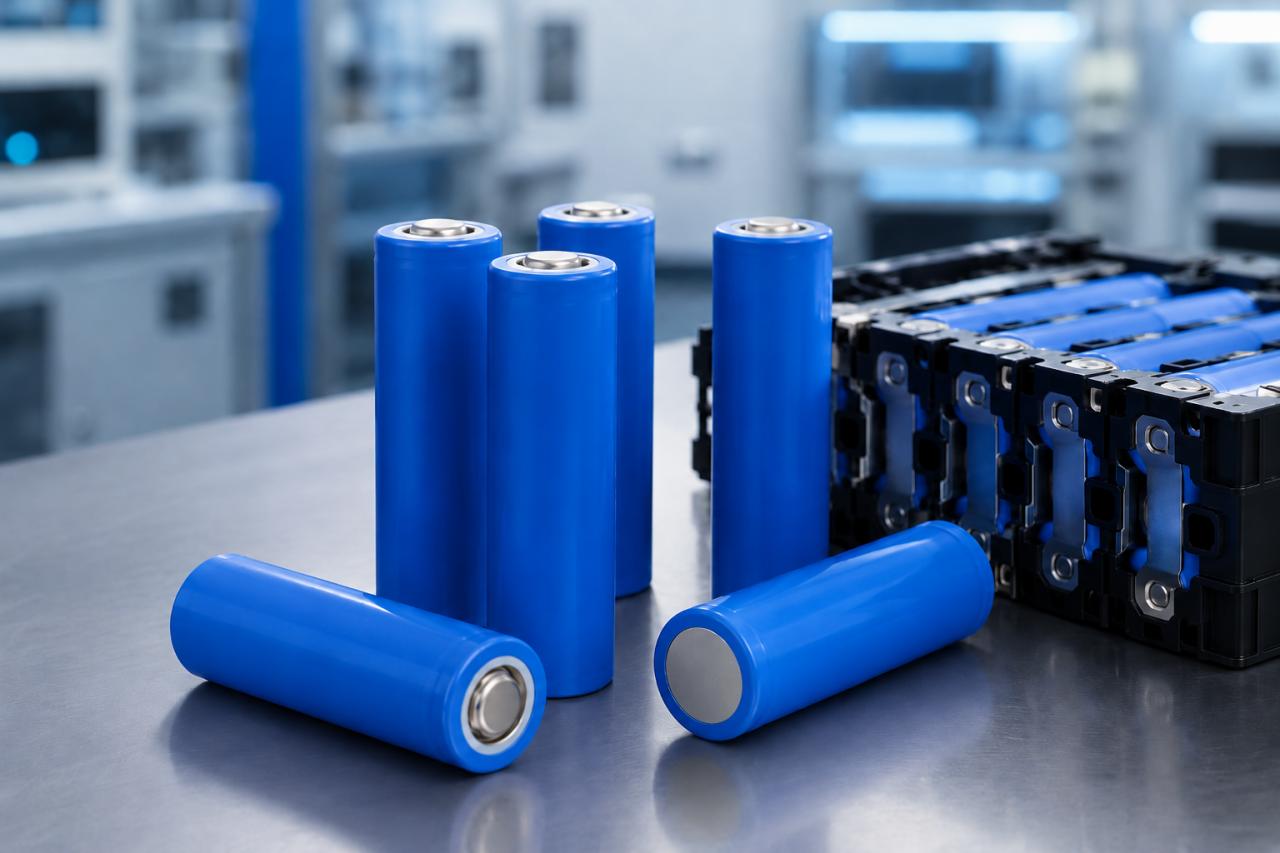
Choosing a 21700 battery pack for industrial equipment starts with the device, not the cell label. A suitable pack must deliver the required voltage...
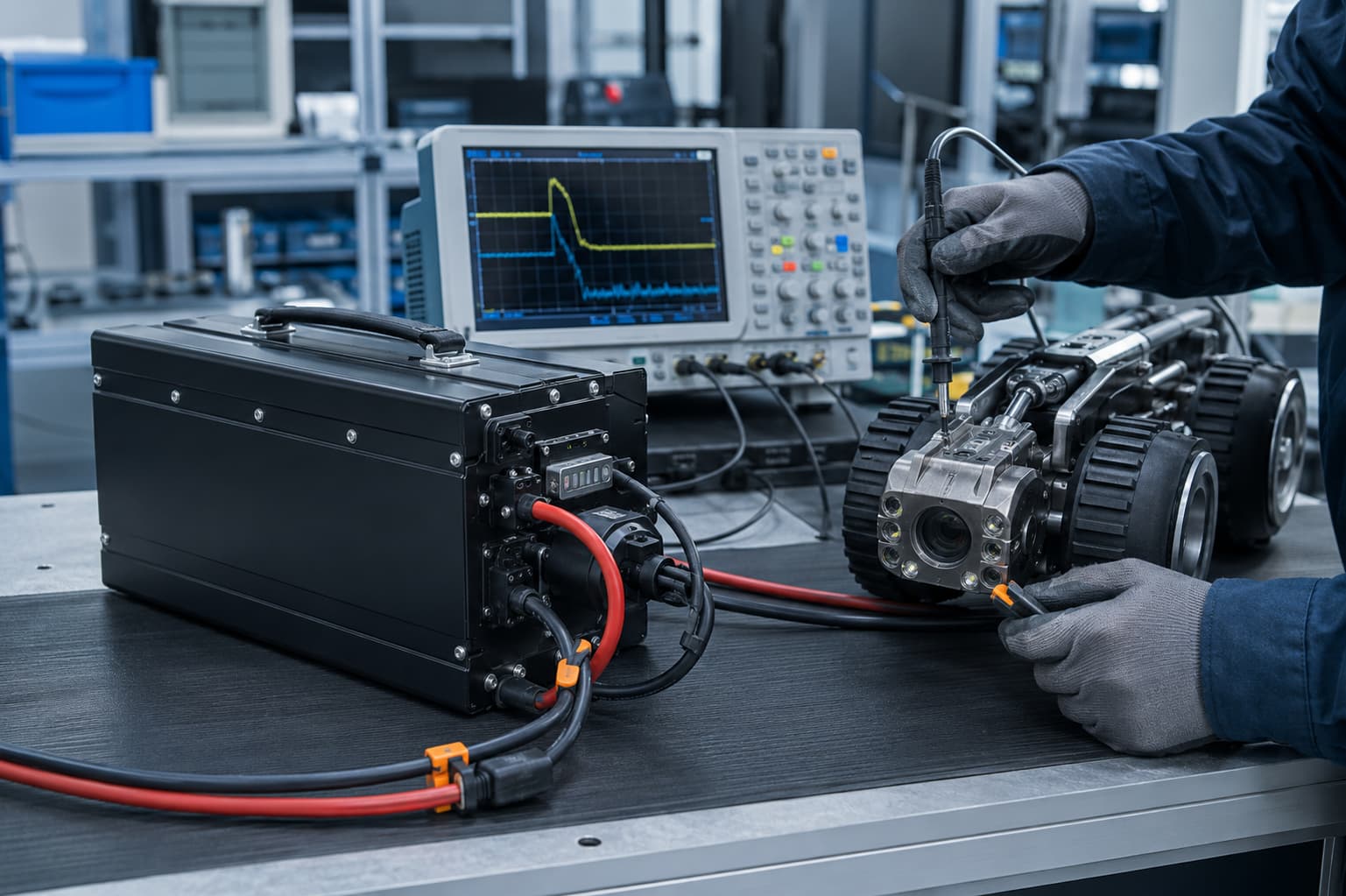
Cylinder high-capacity battery testing must confirm usable runtime because a higher nominal capacity does not automatically improve device performance. Voltage drop under load, device...
Custom cylindrical lithium-ion battery design should use the cell format that best fits the complete electrical, mechanical, thermal, sourcing, and validation requirements. The 18650...
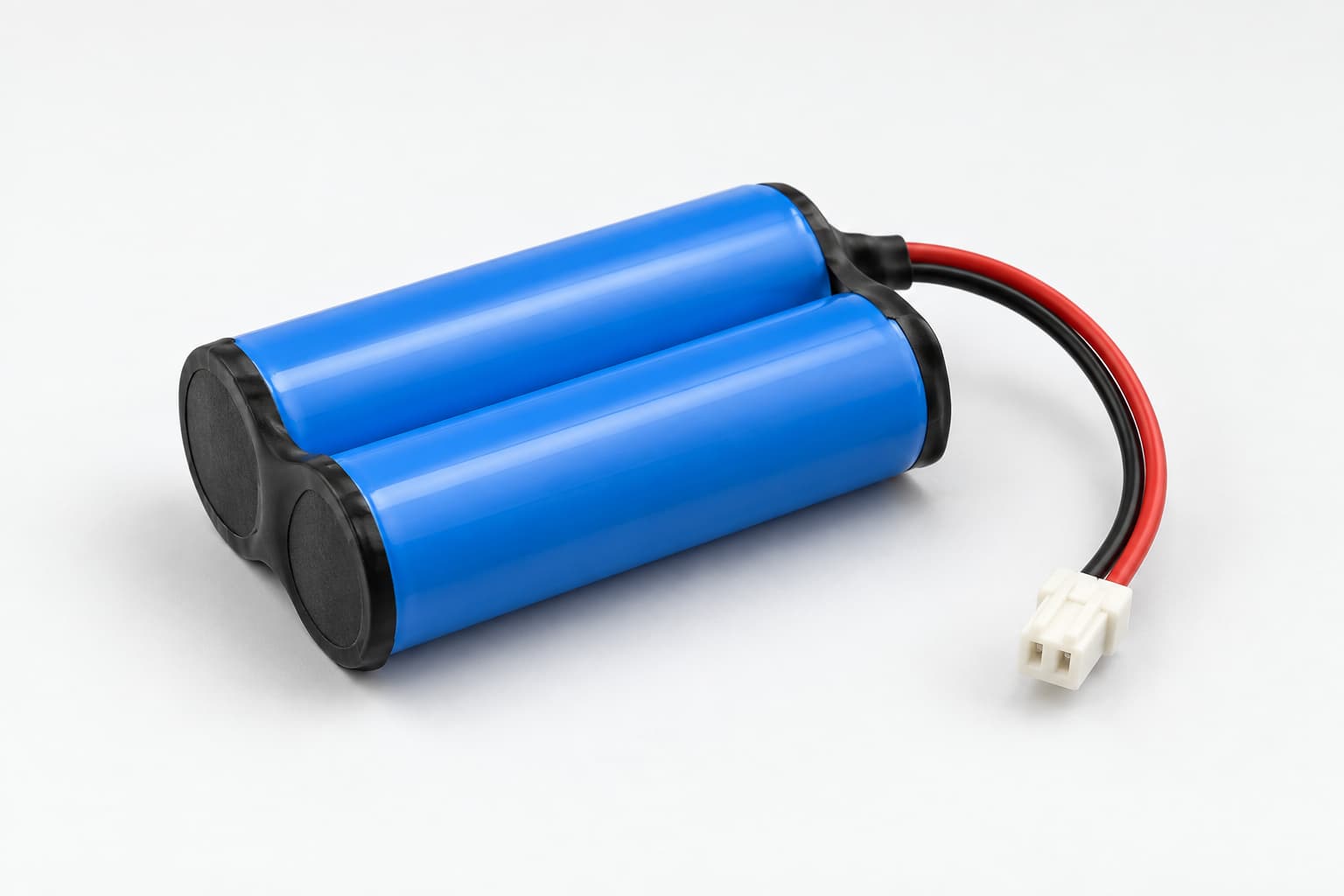
An effective 18650 battery pack design for OEM devices starts with measured product requirements, not a preferred cell or capacity label. The pack must...
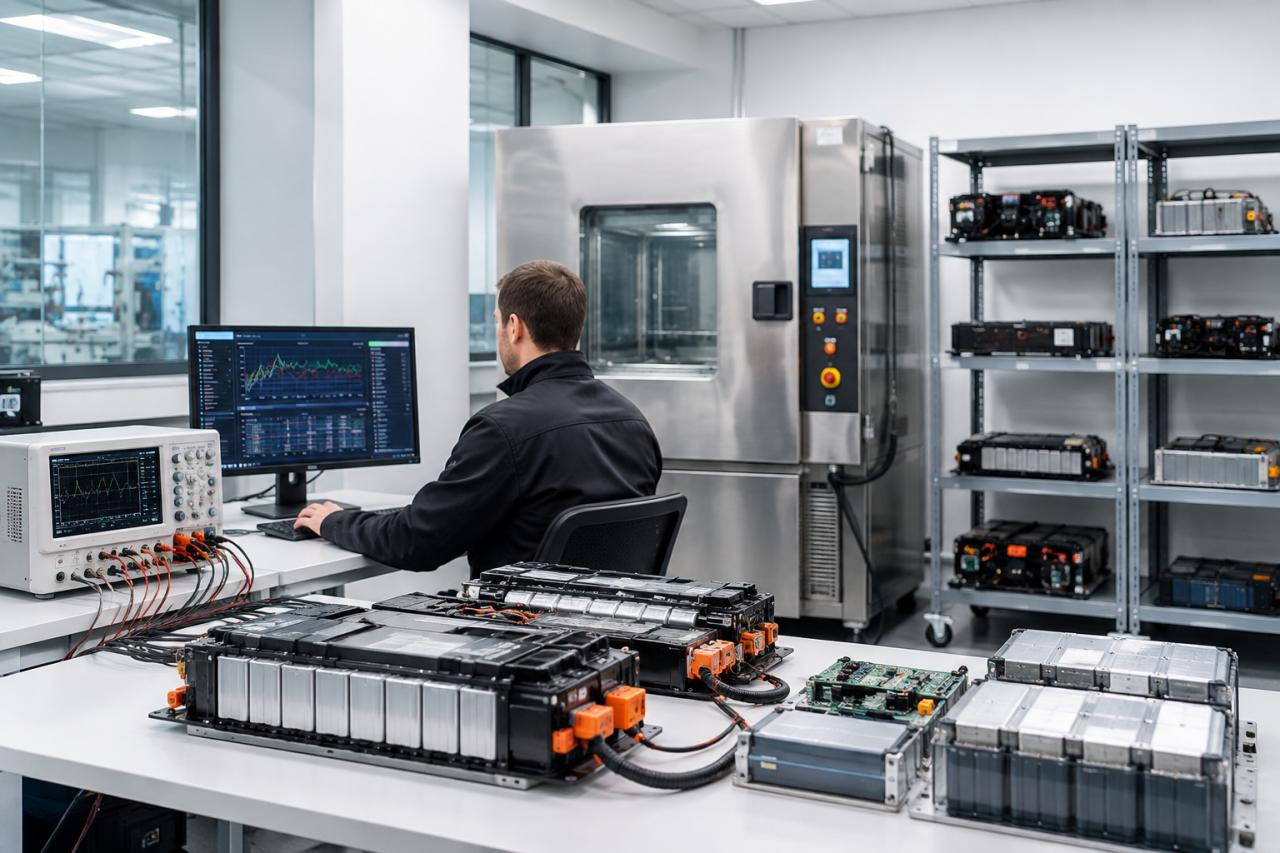
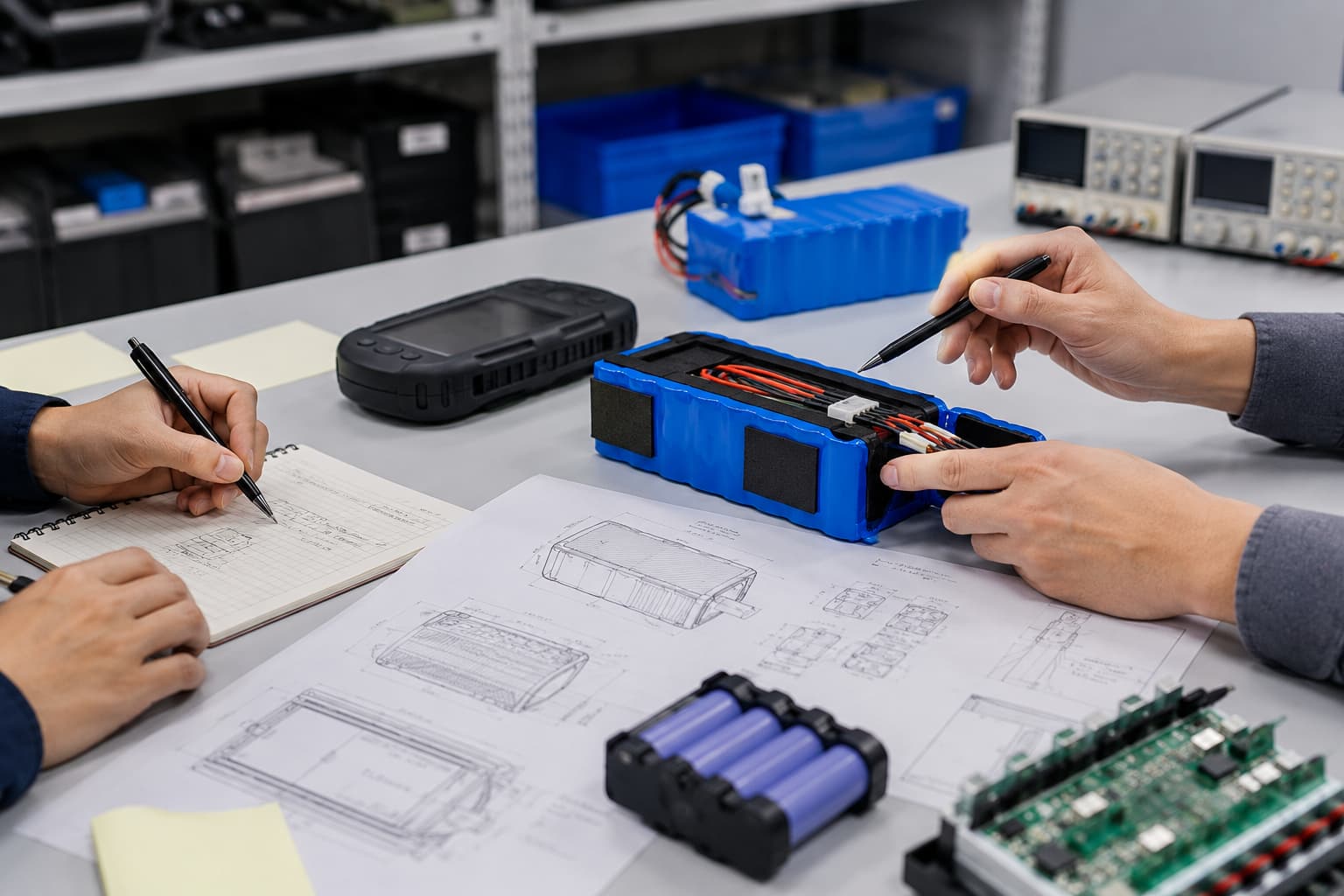
Battery prototyping and design turns device requirements into a battery pack that can be tested, approved, and manufactured consistently. A useful prototype must prove...
Battery pack design requirements for small devices should be based on measured load, usable volume, temperature, charging, protection, and service conditions. A buyer should...
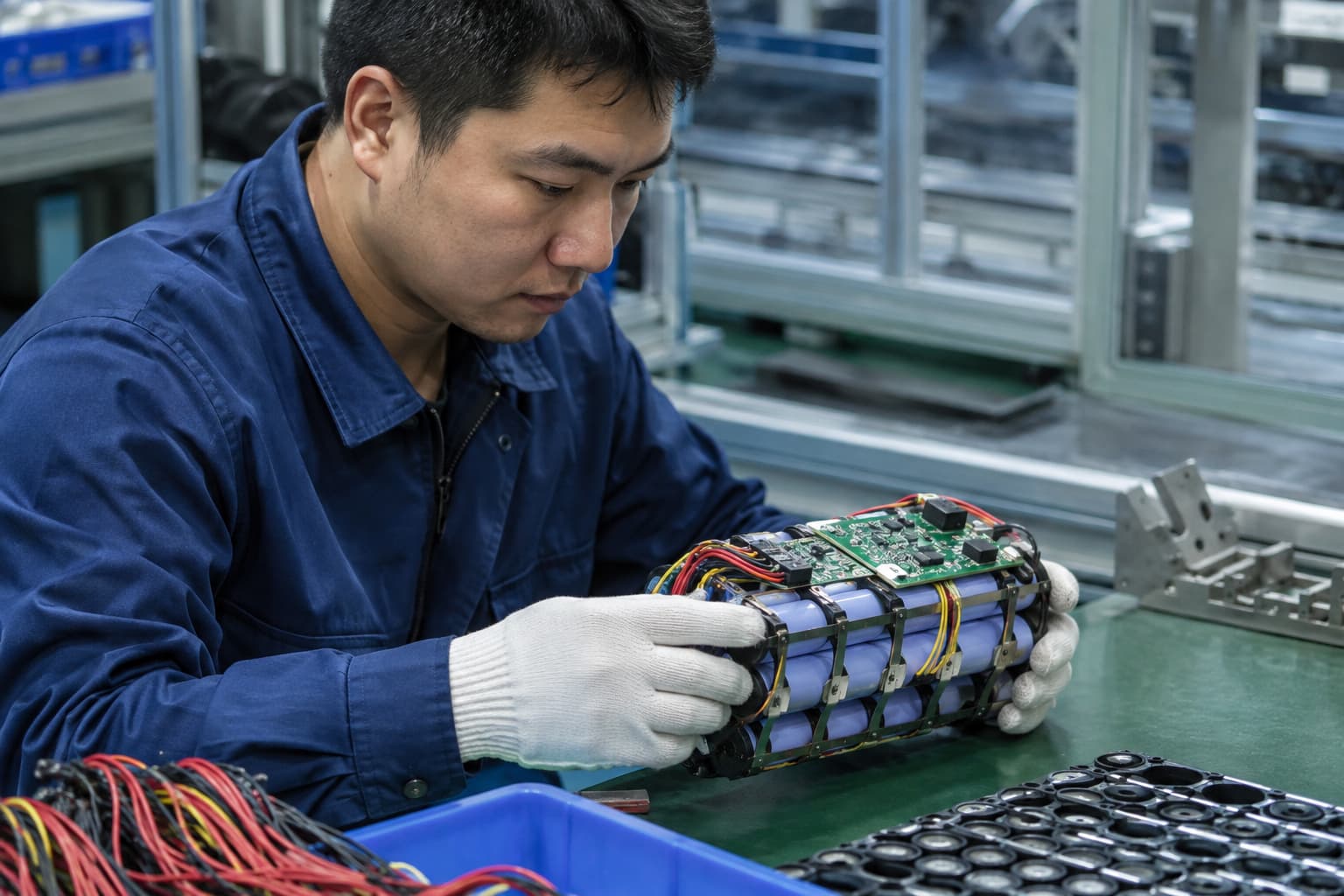
Battery pack assembly quality depends on decisions made before the first cell reaches the line. Buyers need an approved bill of materials, measurable acceptance...