
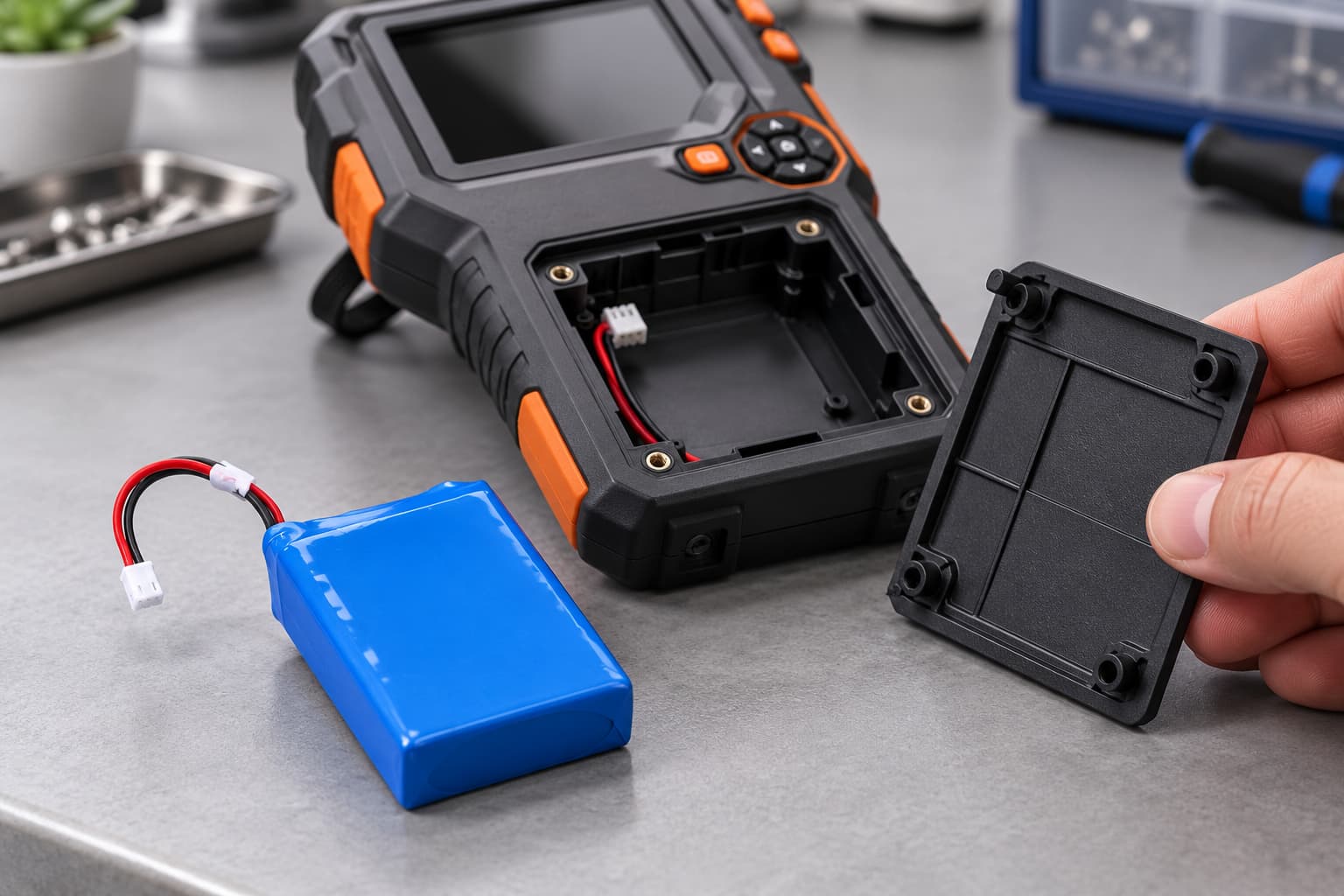
A 3.7V Li-ion polymer battery quotation may describe a cell, a protected single-cell assembly or a finished pack containing several cells. The voltage alone doesn’t tell a buyer which product the supplier intends to deliver. That distinction matters when procurement requests a battery for a finished device. One proposal may cover cells that need further assembly. Another may include protection electronics, insulation, wires and a connector. Before comparing prices, establish exactly what the order contains.
A polymer battery cell and a finished pack serve different purchasing needs
A cell is the individual unit that stores energy. A finished battery pack combines one or more cells with the components specified for its intended application. A pack can contain a single cell. Adding protection electronics, wiring and insulation to one cell can create a finished assembly without changing the cell count.
For an OEM with its own qualified battery-assembly operation, purchasing cells may align with its production responsibilities. An equipment manufacturer expecting to install a supplied assembly needs a different scope. The Polymer Battery category provides a starting point for reviewing available products. Ask the supplier to identify the proposed item as a bare cell, protected cell assembly or finished pack before treating the quotation as comparable with another offer.
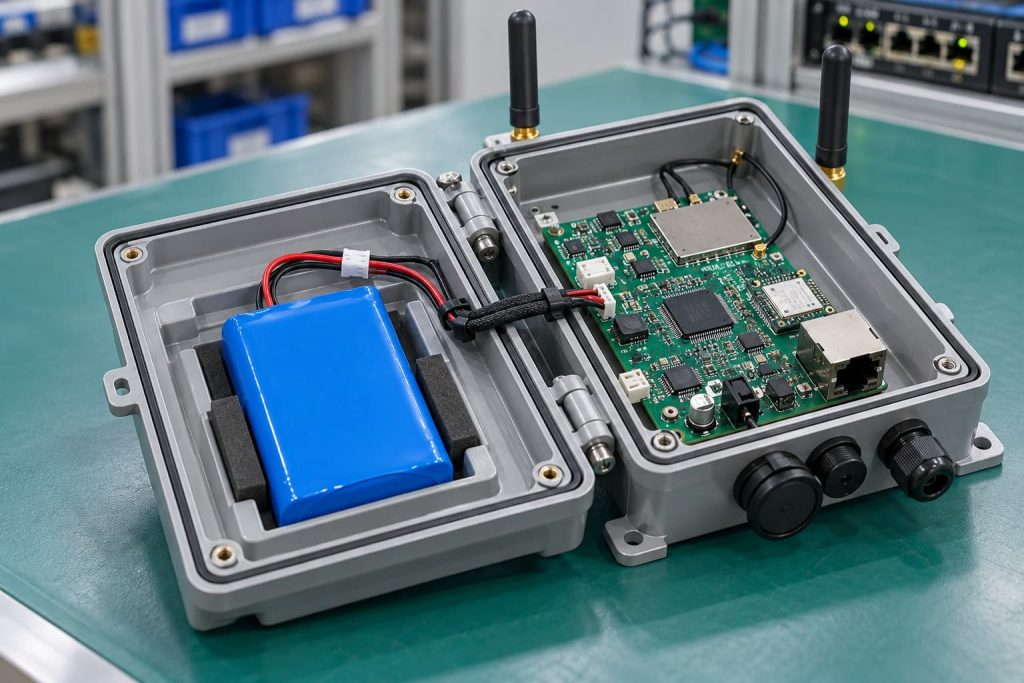
What does a complete lithium polymer battery pack include?
“Complete pack” needs a written definition. It should describe the assembly the supplier will deliver and the work the equipment manufacturer will still perform.
Depending on the agreed design, a pack may include cells, a protection circuit, electrical connections, insulation, wires, a connector and identification labels. A rigid housing, charging accessory or device mounting bracket may require a separate agreement.
Use the quotation to resolve these boundaries.
| Item | What the buyer should confirm |
|---|---|
| Cells | Selected model, quantity and pack configuration |
| Protection electronics | Included functions and the approved specification |
| Wires and connectors | Supplied parts and their agreed arrangement |
| Insulation and outer covering | Construction included in the delivered assembly |
| Housing or mounting parts | Included, separately supplied or provided by the OEM |
| Charger | Included accessory or a separate purchasing item |
| Identification | Product reference and label information supplied |
A photograph helps explain the proposal, but the written scope should establish what is included. If the image shows a charger or enclosure for illustration, ask the supplier to distinguish it from the quoted product.
Why a 1S2P battery pack still has a 3.7V nominal voltage
Two cells do not automatically mean twice the voltage. Their connection determines the resulting pack configuration.
In a 1S2P arrangement, two cells connect in parallel within one series group. This arrangement increases capacity while keeping the group’s nominal voltage. A series connection follows a different voltage arrangement.
For example, Zenilove’s 16000mAh 3.7V Polymer Battery Pack lists a 126090 1S2P configuration, 3.7V nominal voltage, 16000mAh capacity and 59.2Wh rated energy.
Here, 126090 identifies the listed cell model, while 1S2P describes the pack configuration. Neither term alone defines every component in the finished assembly.
Buyers should request the complete product reference rather than ordering “two 126090 batteries” and leaving the supplier to interpret the intended connection.
Protection on a rechargeable lithium polymer battery has a specific role
A protection circuit helps manage defined fault conditions. It should not be treated as proof that the pack includes charging control, a capacity display or communication with the device.
Texas Instruments describes battery protection functions such as overcharge, over-discharge, overcurrent and short-circuit detection. The functions and settings of a particular supplied pack still require confirmation from its manufacturer.
For purchasing, ask two separate questions: what protection is included, and how will the battery be charged?
A protected pack still needs an appropriate charging system. If the equipment already contains charging electronics, identify them in the enquiry. If the project needs a separate charger, request it explicitly and have the supplier confirm the proposed combination.
Matching voltage and capacity does not establish an interchangeable pack
Two quotations can show the same nominal voltage and capacity while describing assemblies that connect differently to the equipment.
A different connector, pin arrangement or cable position can change the supplied product. A pack may also include a temperature-sensing connection or another interface that an alternative proposal omits.
Consider a buyer replacing a battery used in an existing instrument. Ordering from a photograph and capacity label may overlook the connection details recorded by the original equipment team.
Request the approved battery reference or specification when available. Ask the supplier to identify any differences in its proposal, including any missing components or items supplied separately.
This review establishes what the buyer is purchasing. It does not replace the equipment team’s approval of the proposed battery.
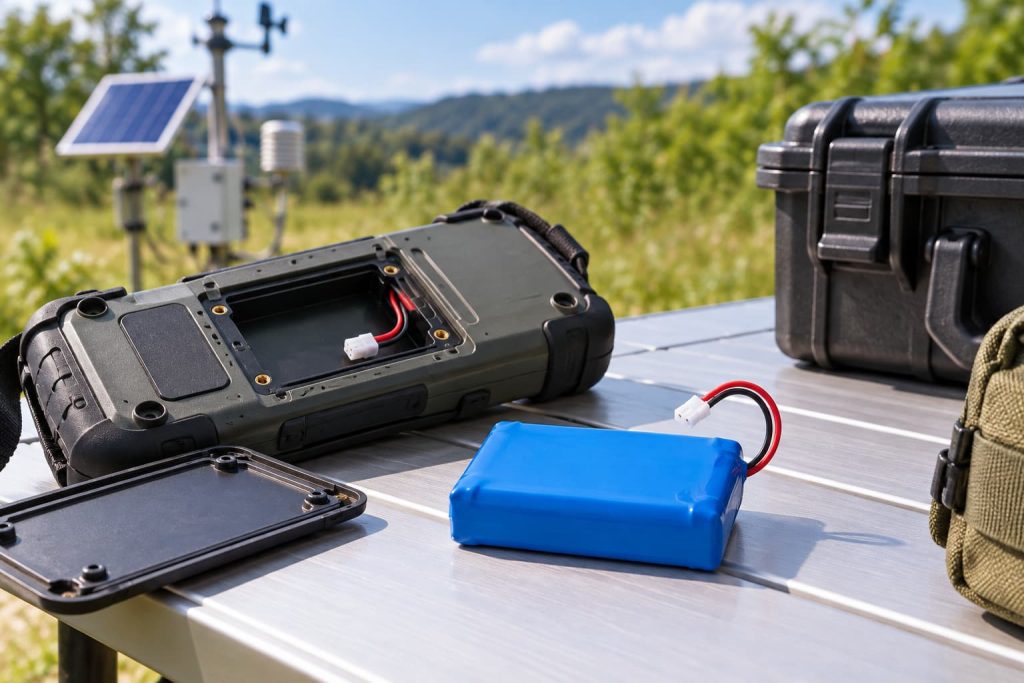
Describe the supplied assembly clearly in the enquiry
An enquiry becomes easier to interpret when it states the purchasing boundary. Explain if the supplier should deliver cells for further assembly or a finished pack for equipment installation.
A practical request could say:
“We need a finished 3.7V rechargeable polymer battery pack for a portable instrument. Our reference configuration is 126090 1S2P, 16000mAh. Please identify the included protection circuit, insulation, wires and connector. Quote any charger or housing separately and show proposed differences from our reference.”
Attach the relevant device and connection information. If a detail remains undecided, mark it as open rather than allowing an assumption to become part of the order.
When reviewing custom battery solutions, use the supplier’s response to assign responsibility for each remaining item. Procurement should know which parts arrive in the battery shipment and which the OEM must source or approve separately.
A 3.7V Li-ion polymer battery order should identify the complete supply scope
Choose between cells and a finished pack according to the work your organisation intends to perform. Then identify the configuration, included components and separately supplied accessories in the purchasing record.
Before releasing the order, make the product reference, quotation and agreed supply description consistent. Replace vague wording such as “complete set” with a named list of deliverables.
This gives the buyer a clear basis for comparing proposals and confirming the shipment contains the battery assembly the project actually requires.