
- All Post
- Battery Applications
- Battery Safety & Compliance
- Battery Technology & Guides
- Custom Battery Solutions
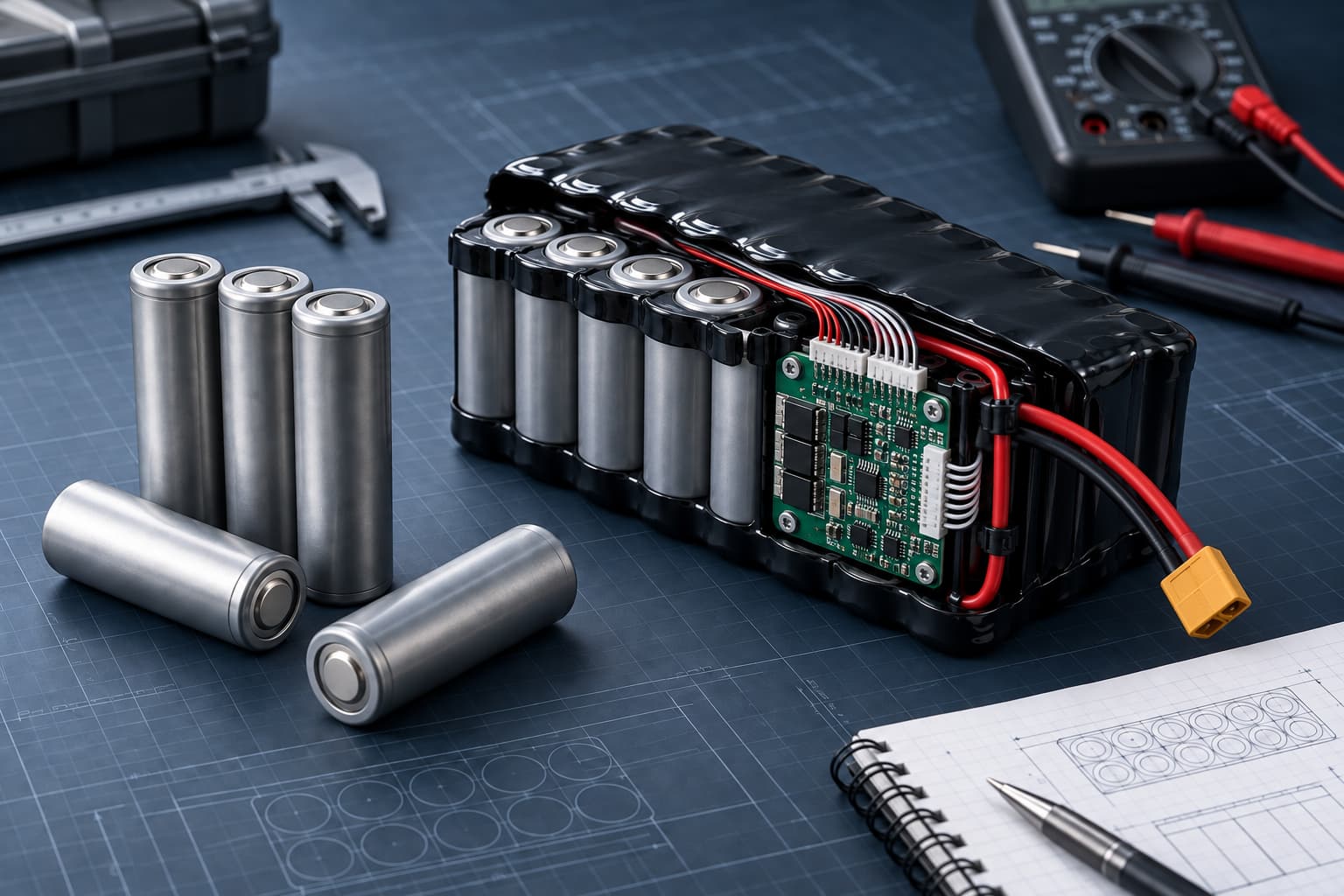
Reliable 21700 battery pack wiring requires more than connecting cells to a positive and negative cable. The design must control cell arrangement, nickel connections, sense-wire order, BMS current rating, wire gauge, connector resistance, polarity, strain relief, insulation, and temperature monitoring. Every part of the current path must support the normal...
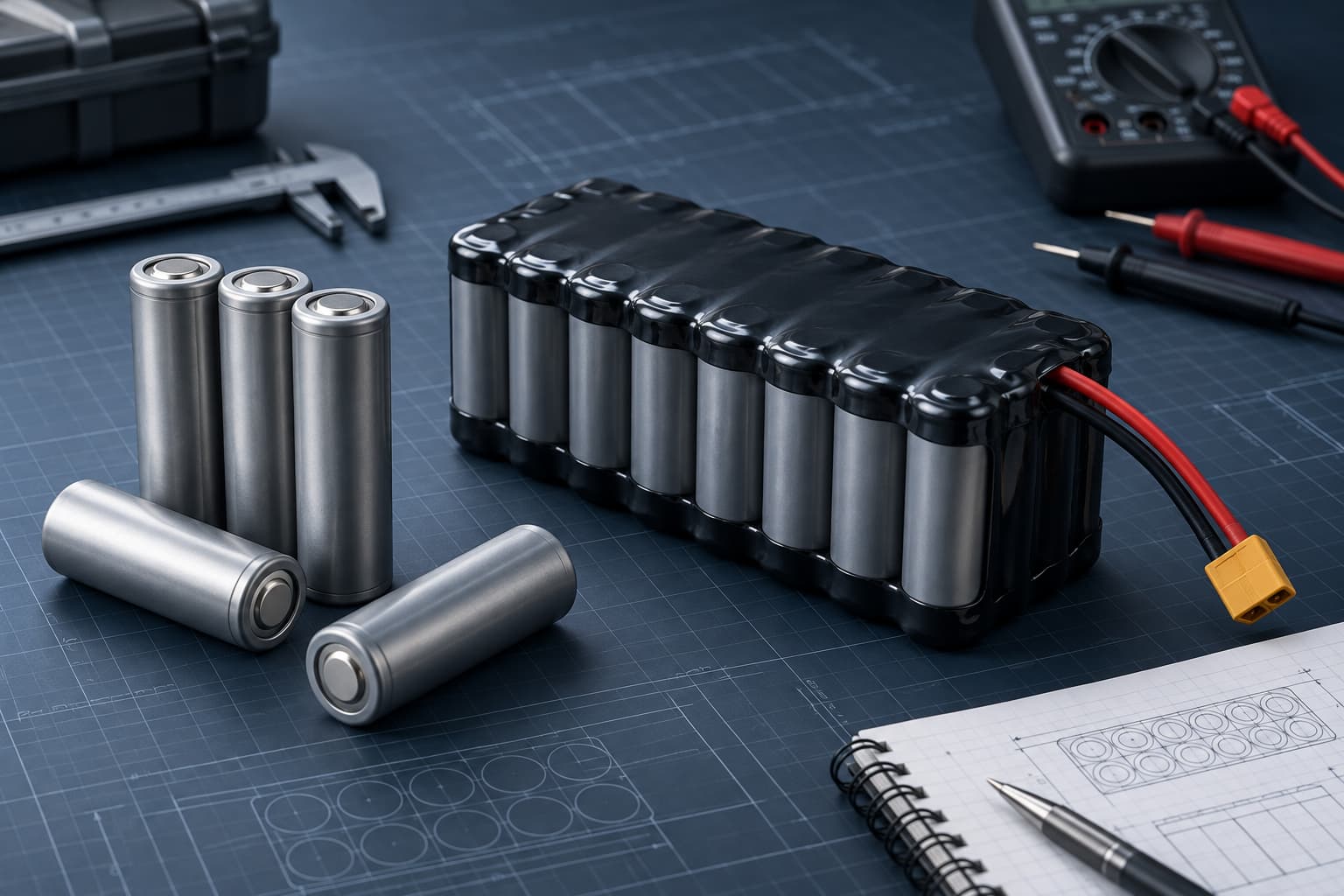
To calculate a 21700 battery pack’s voltage and capacity, start with the approved cell specifications and the series-parallel configuration. Series cells increase voltage. Parallel cells increase amp-hour capacity. Energy in watt-hours combines both values and gives a better basis for comparing packs with different voltage platforms. The calculation is useful...
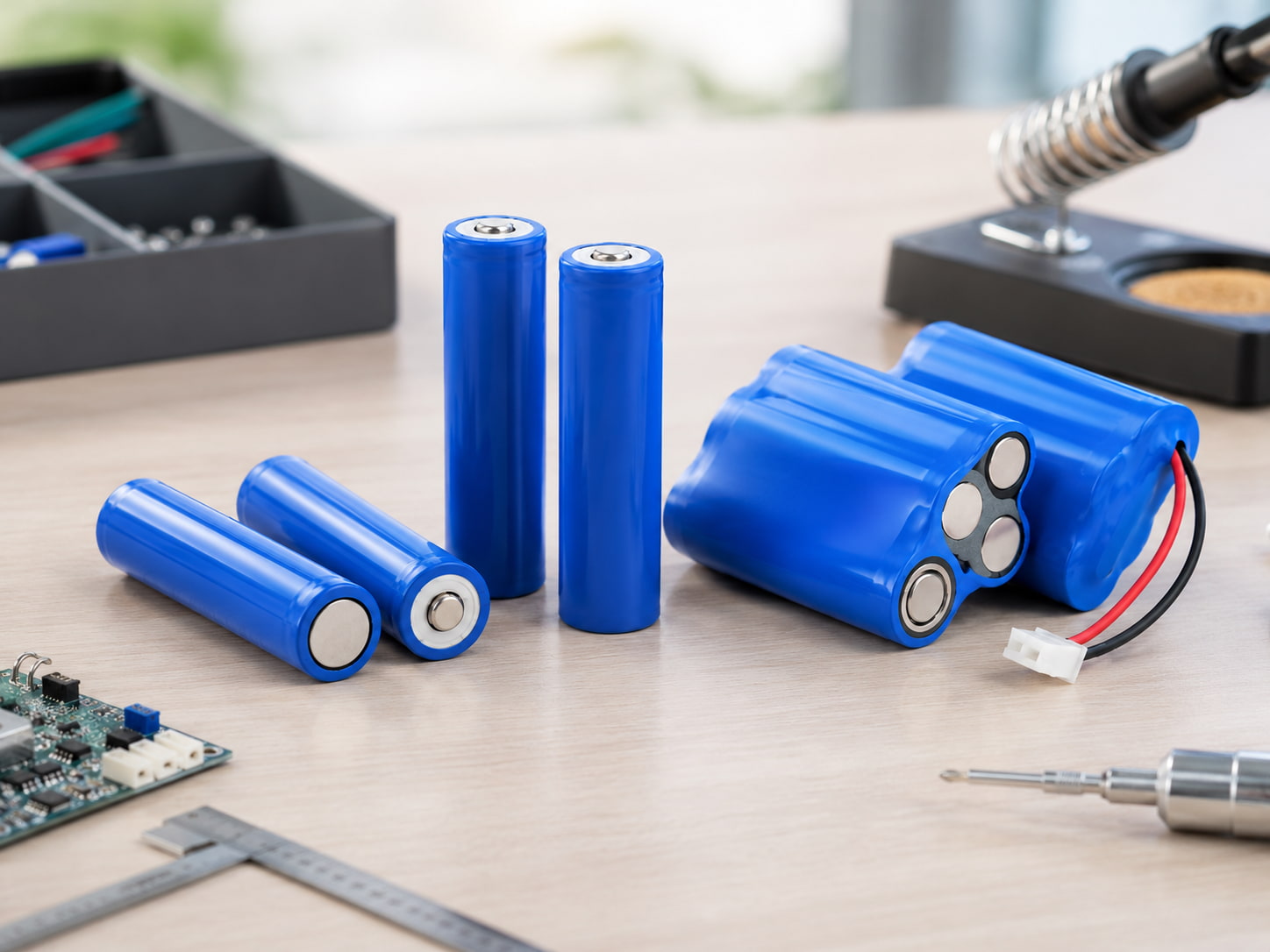
Choosing a 21700 battery pack for industrial equipment starts with the device, not the cell label. A suitable pack must deliver the required voltage and runtime, support peak current without excessive voltage drop, fit the available space, connect safely to the equipment, and remain reliable under the expected temperature, vibration,...

Lithium polymer battery pack clearance leaves little tolerance for dimensional or assembly errors in a thin device. A nominal pouch cell may fit a CAD envelope while the finished assembly does not. Protection electronics, insulation, cable routing, connector position, adhesive, labels, and manufacturing variation all consume space. Charging heat and...

Cylinder high-capacity battery testing must confirm usable runtime because a higher nominal capacity does not automatically improve device performance. Voltage drop under load, device cutoff, temperature, cell resistance, pack losses, and ageing determine how much energy the equipment can actually use. The Incoming Batch Decision for cylinder high-capacity battery testing...
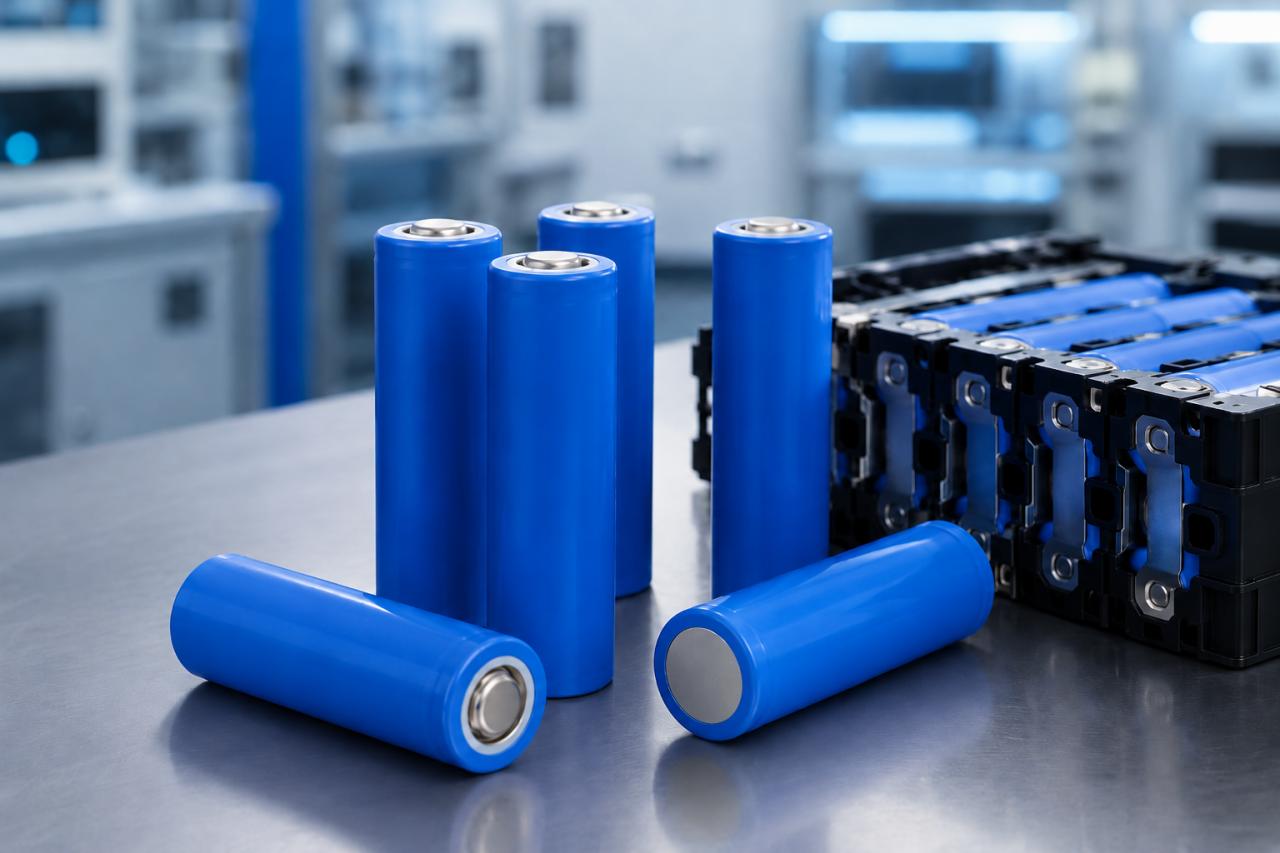
Custom cylindrical lithium-ion battery design should use the cell format that best fits the complete electrical, mechanical, thermal, sourcing, and validation requirements. The 18650 or 21700 Decision for custom cylindrical lithium-ion battery design Use 18650 cells when the project benefits from smaller cell diameter, flexible layouts, or an established qualified...
- All Post
- Battery Applications
- Battery Safety & Compliance
- Battery Technology & Guides
- Custom Battery Solutions