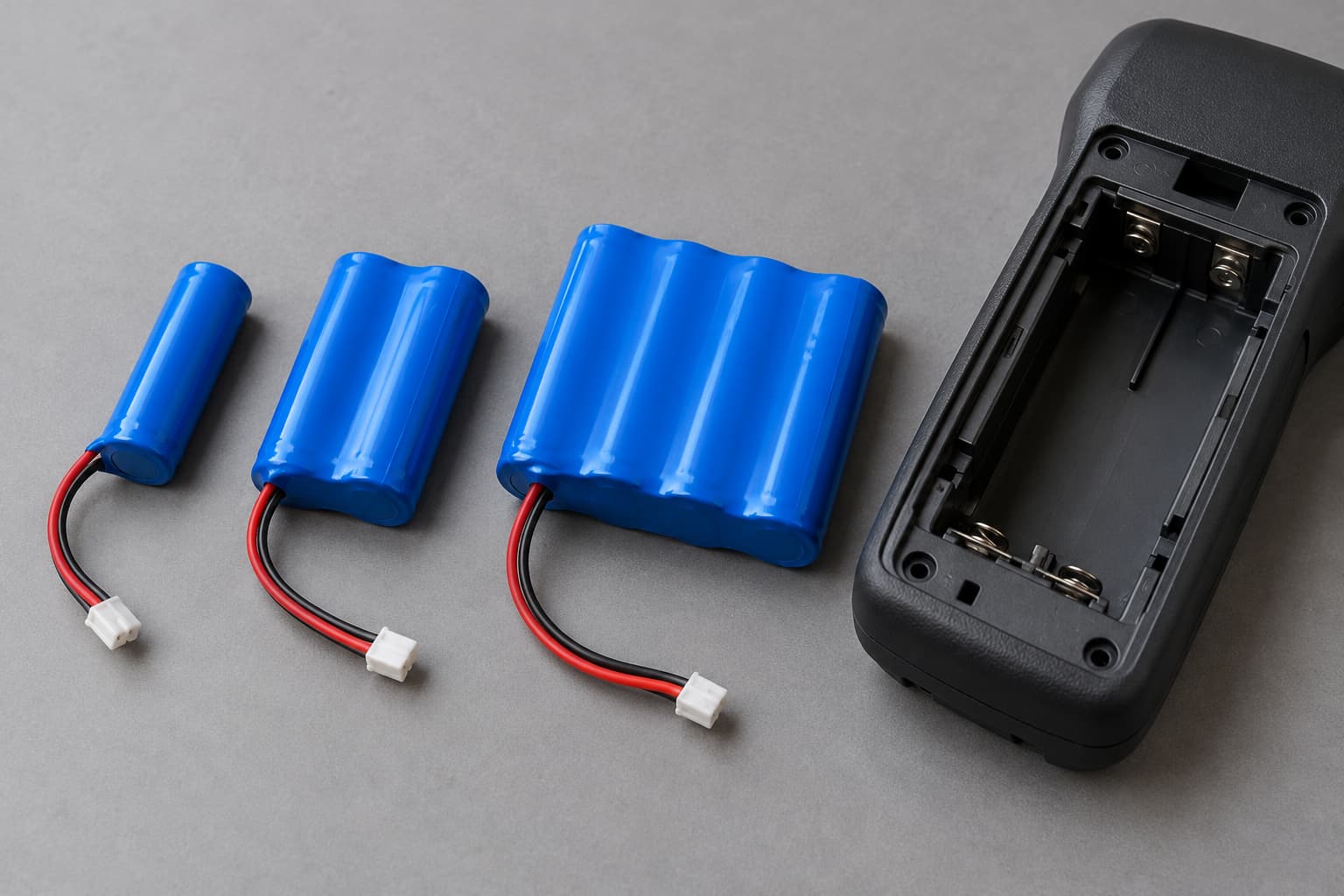
Choosing between removable vs built-in battery packs starts with a practical question: what should happen when the battery runs low or eventually needs replacement?...
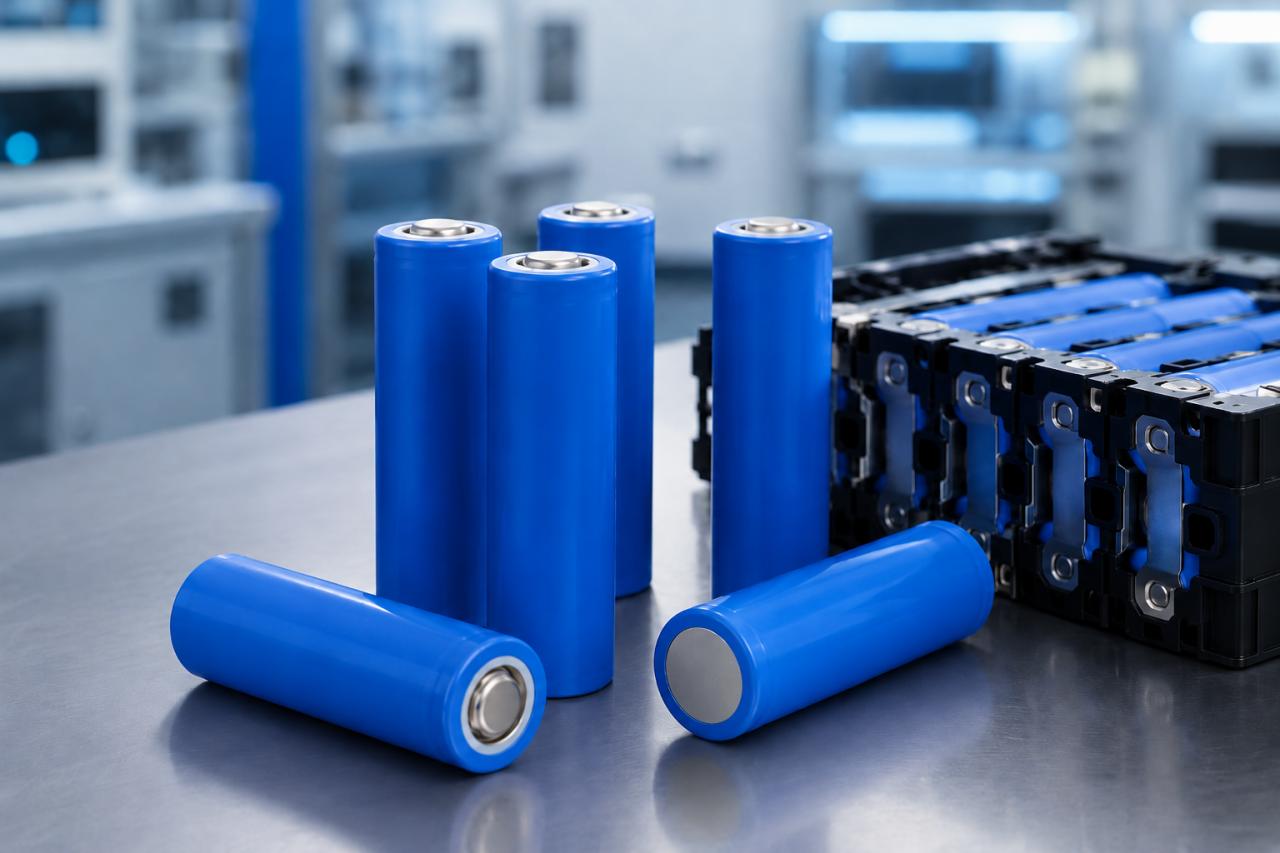
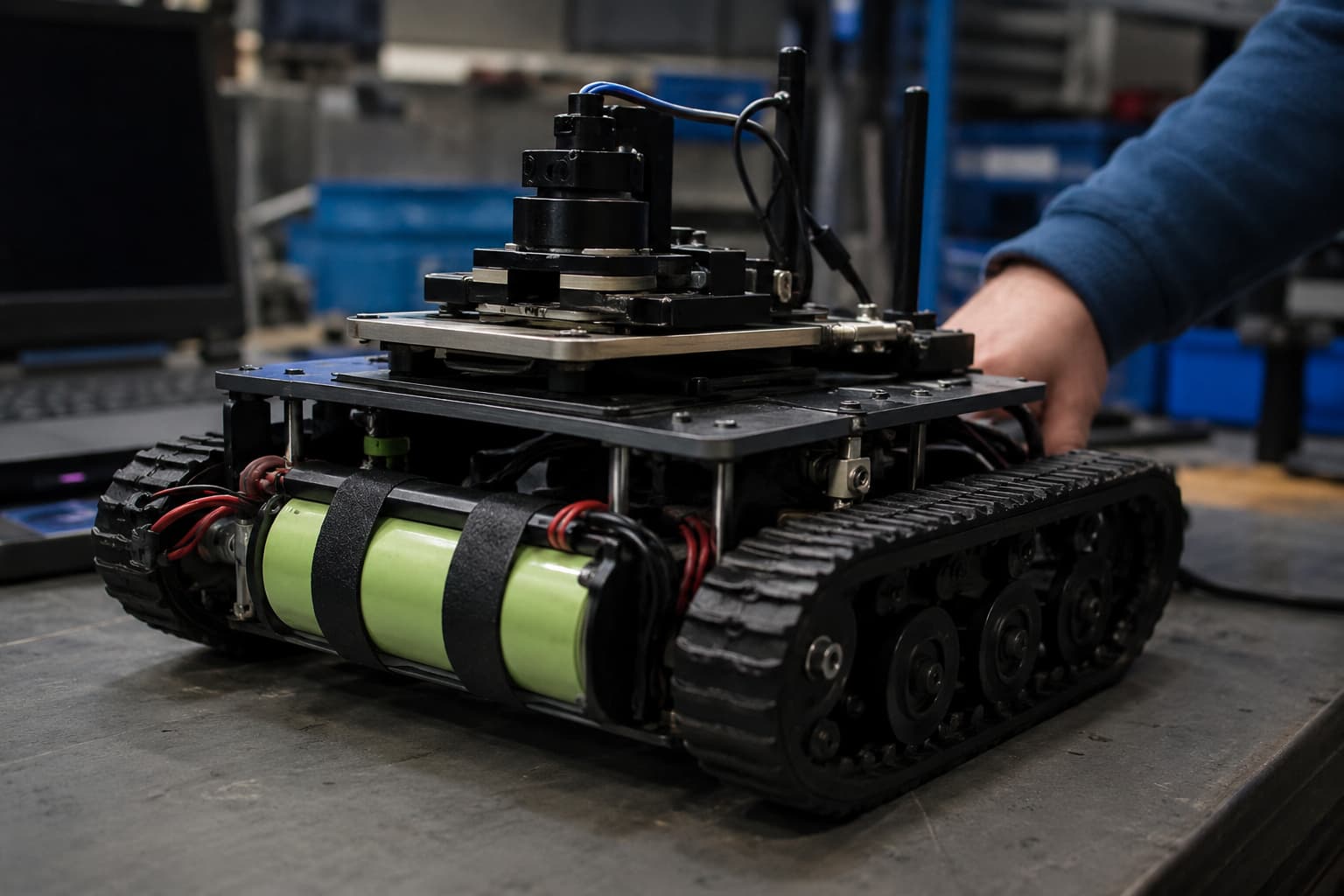
Custom cylindrical lithium-ion battery design should use the cell format that best fits the complete electrical, mechanical, thermal, sourcing, and validation requirements. The 18650...
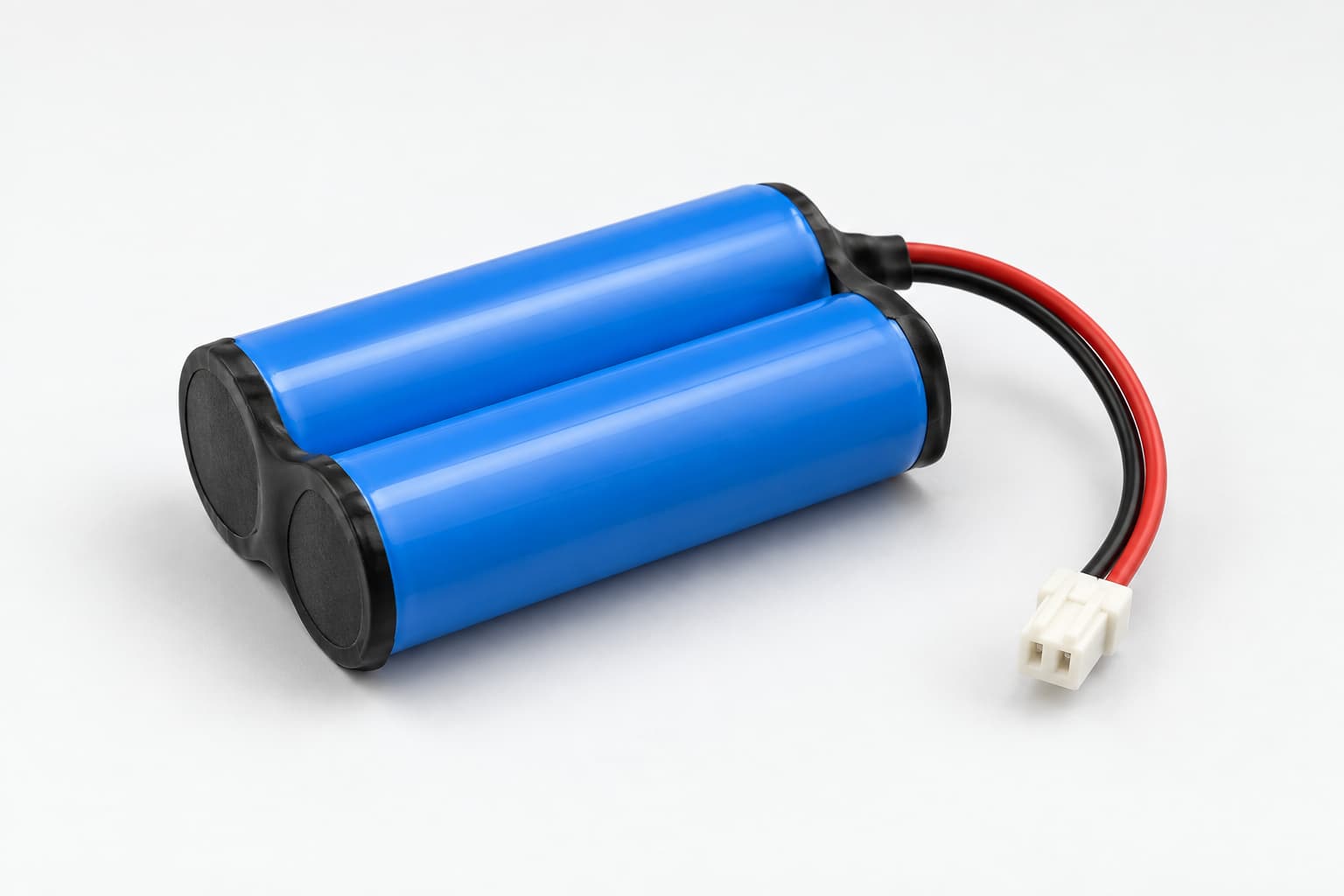
An effective 18650 battery pack design for OEM devices starts with measured product requirements, not a preferred cell or capacity label. The pack must...
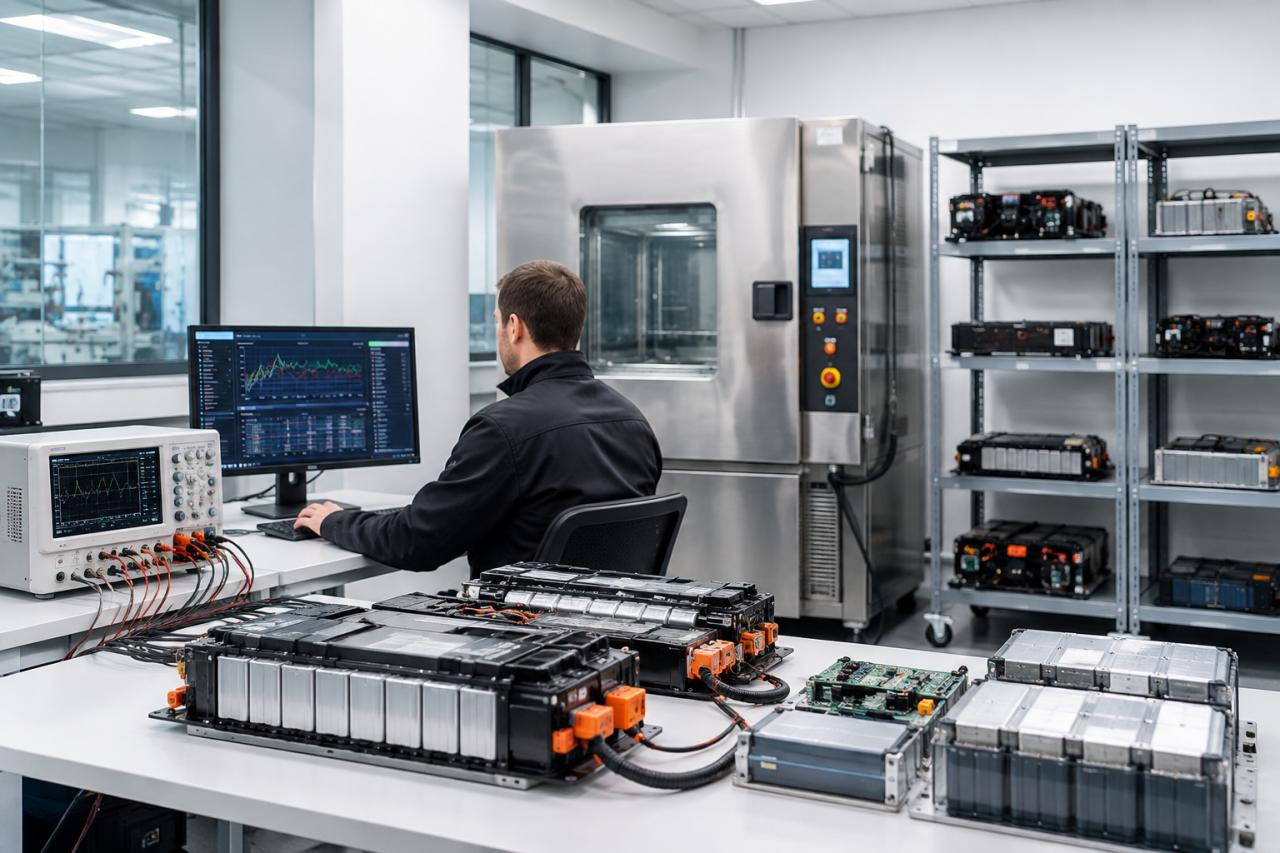
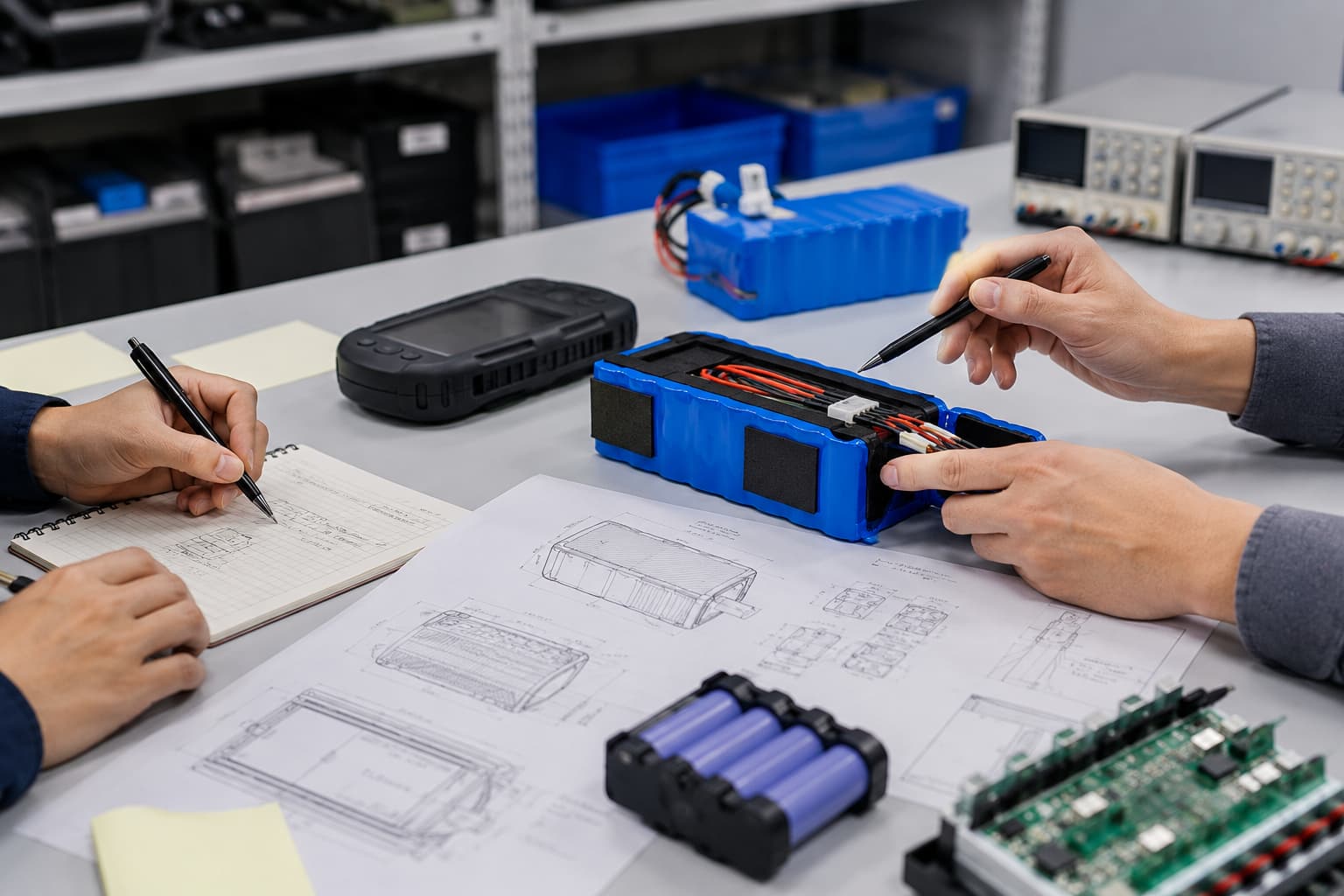
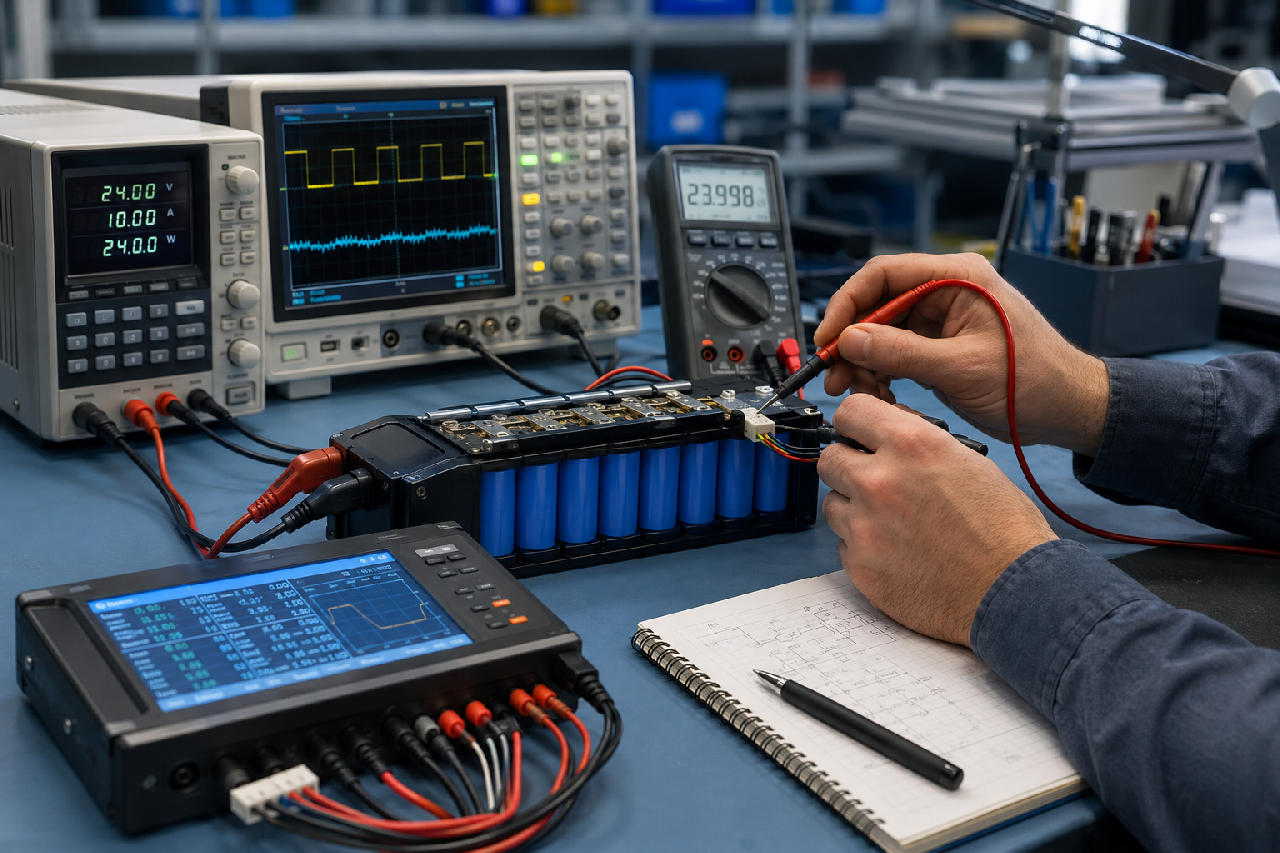
Battery prototyping and design turns device requirements into a battery pack that can be tested, approved, and manufactured consistently. A useful prototype must prove...
A high-capacity battery can meet a runtime target and still fail during device integration. Common causes include a mismatched charging circuit, insufficient peak-current support,...
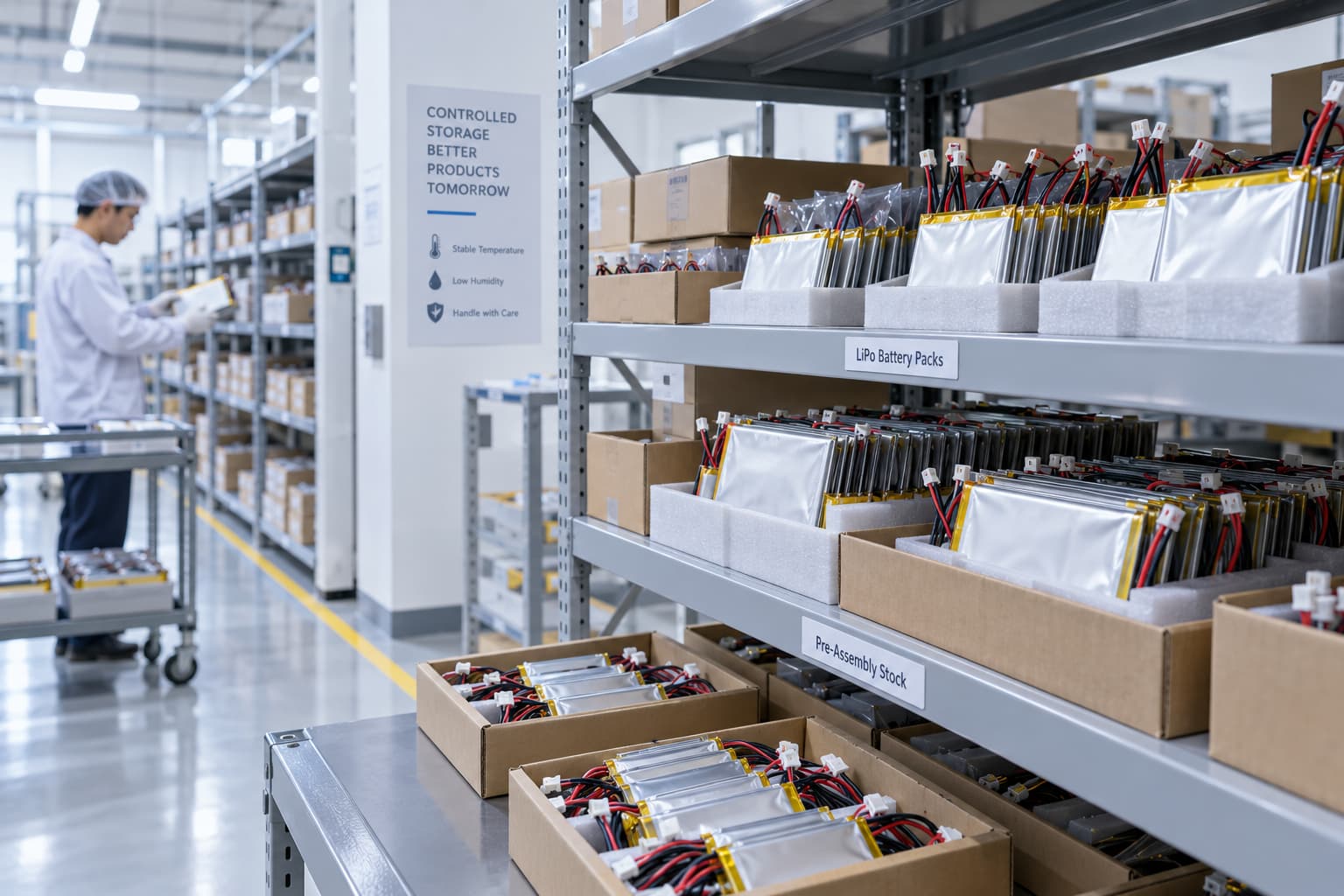
Lithium polymer batteries may remain in a factory warehouse for weeks or months before being installed in finished products. During that period, storage conditions...