- All Post
- Battery Applications
- Battery Safety & Compliance
- Battery Technology & Guides
- Custom Battery Solutions
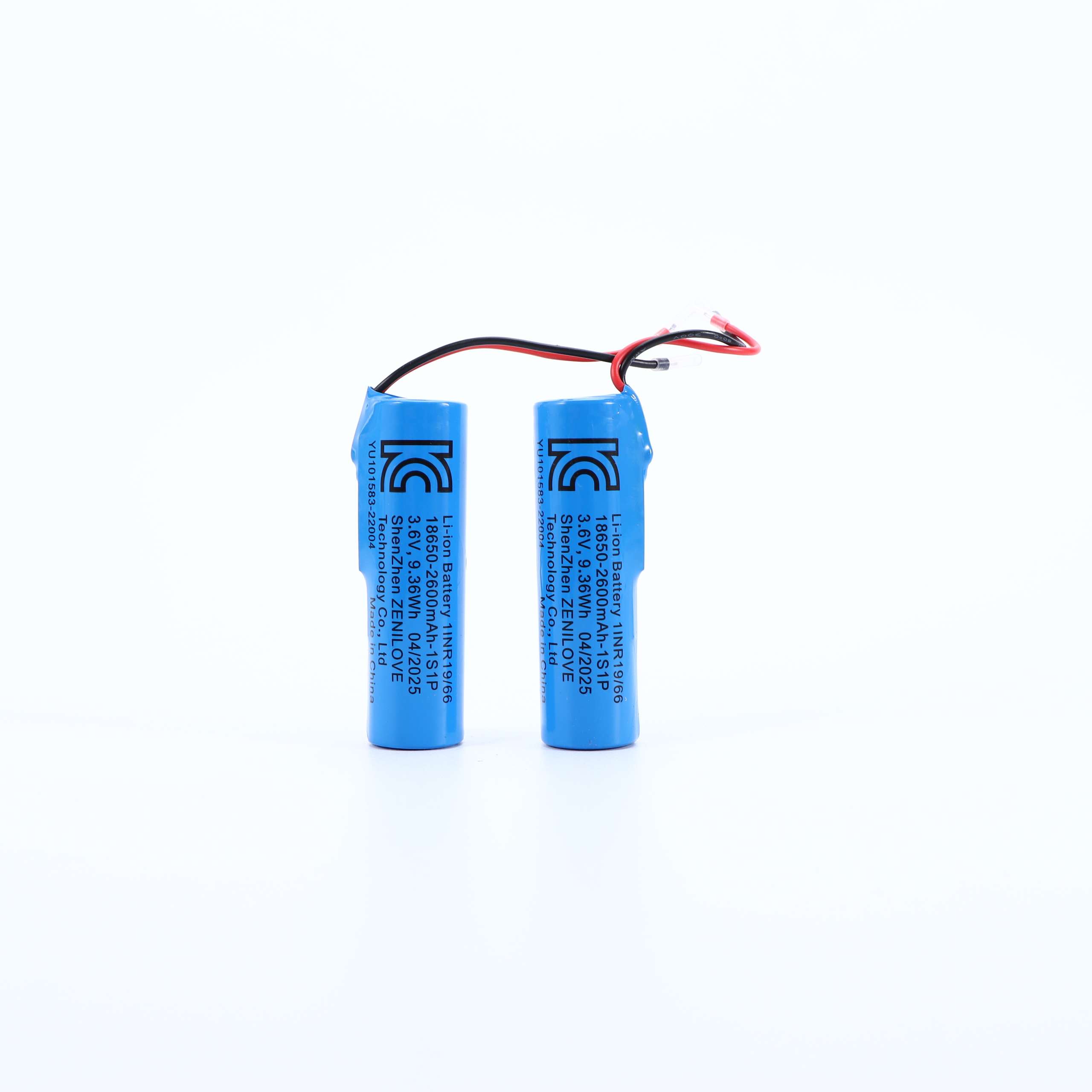
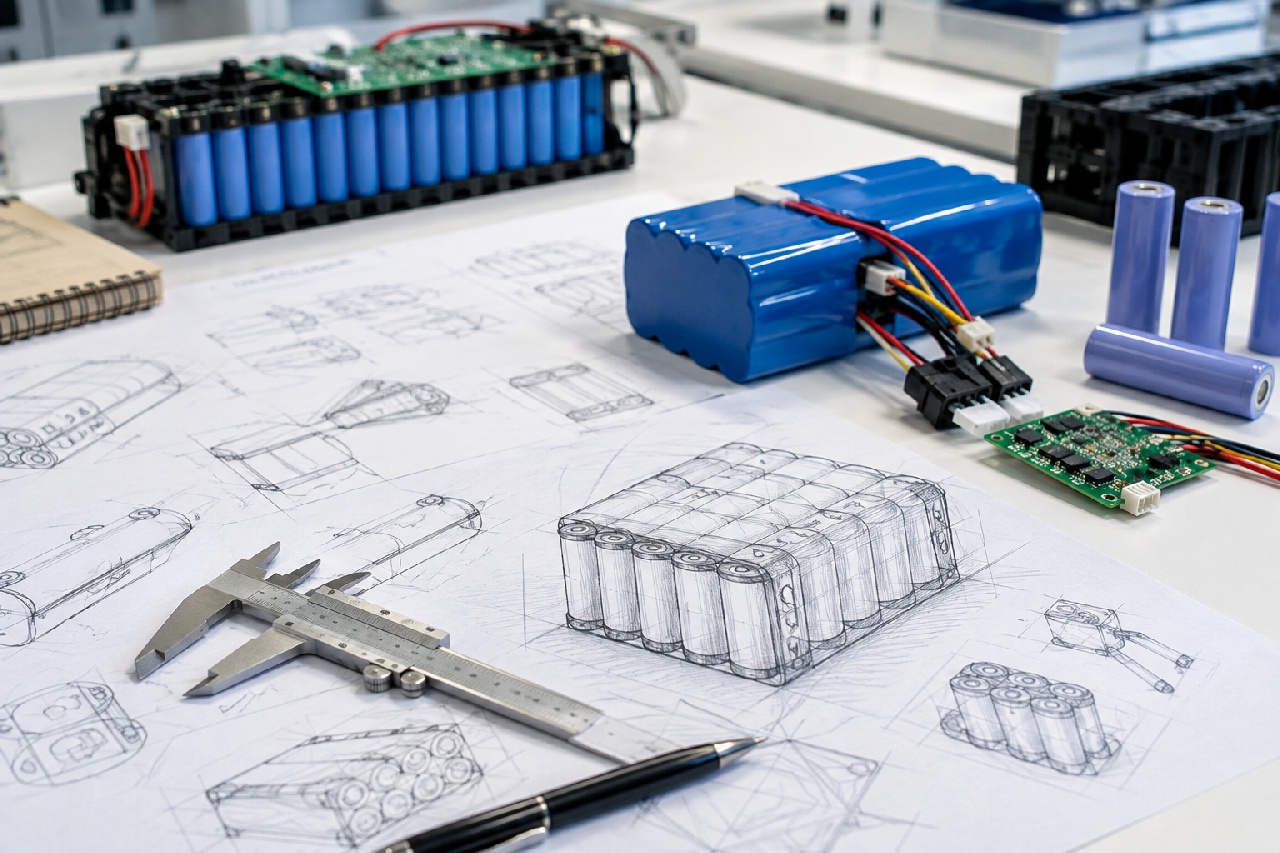
Selecting the right battery for an OEM device requires more than checking voltage and capacity. Buyers need to evaluate battery structure, energy requirements, protection features, dimensions, connection methods, and production needs before choosing a suitable power solution. An 18650 Cylindrical Lithium Battery is widely used in portable electronic equipment for...
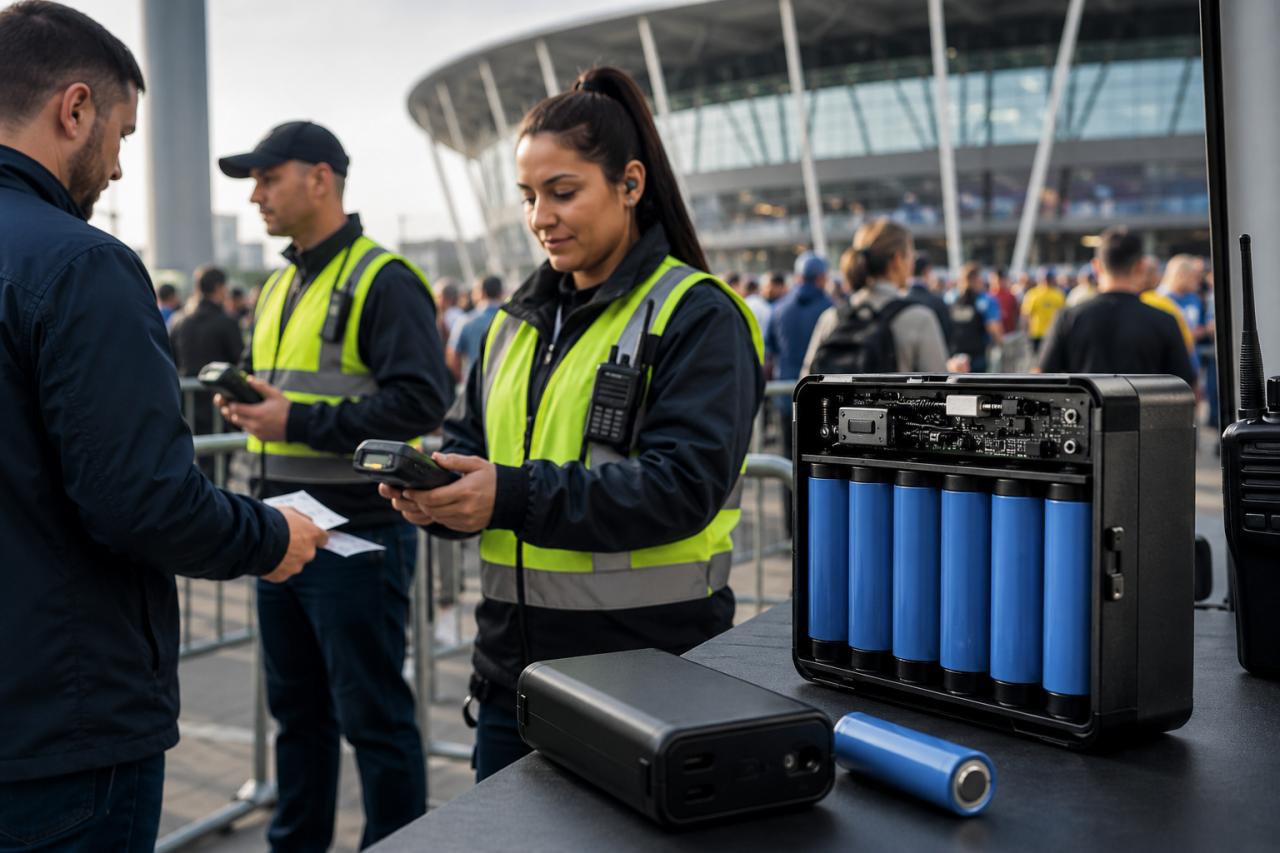
Major football events create demanding working conditions for portable electronic equipment. Security teams, ticketing contractors, medical service providers, broadcasters, maintenance crews, and venue operators may need devices that work across long shifts with limited charging time. Manufacturers preparing equipment for stadiums, fan zones, transportation hubs, temporary facilities, and supporting service...
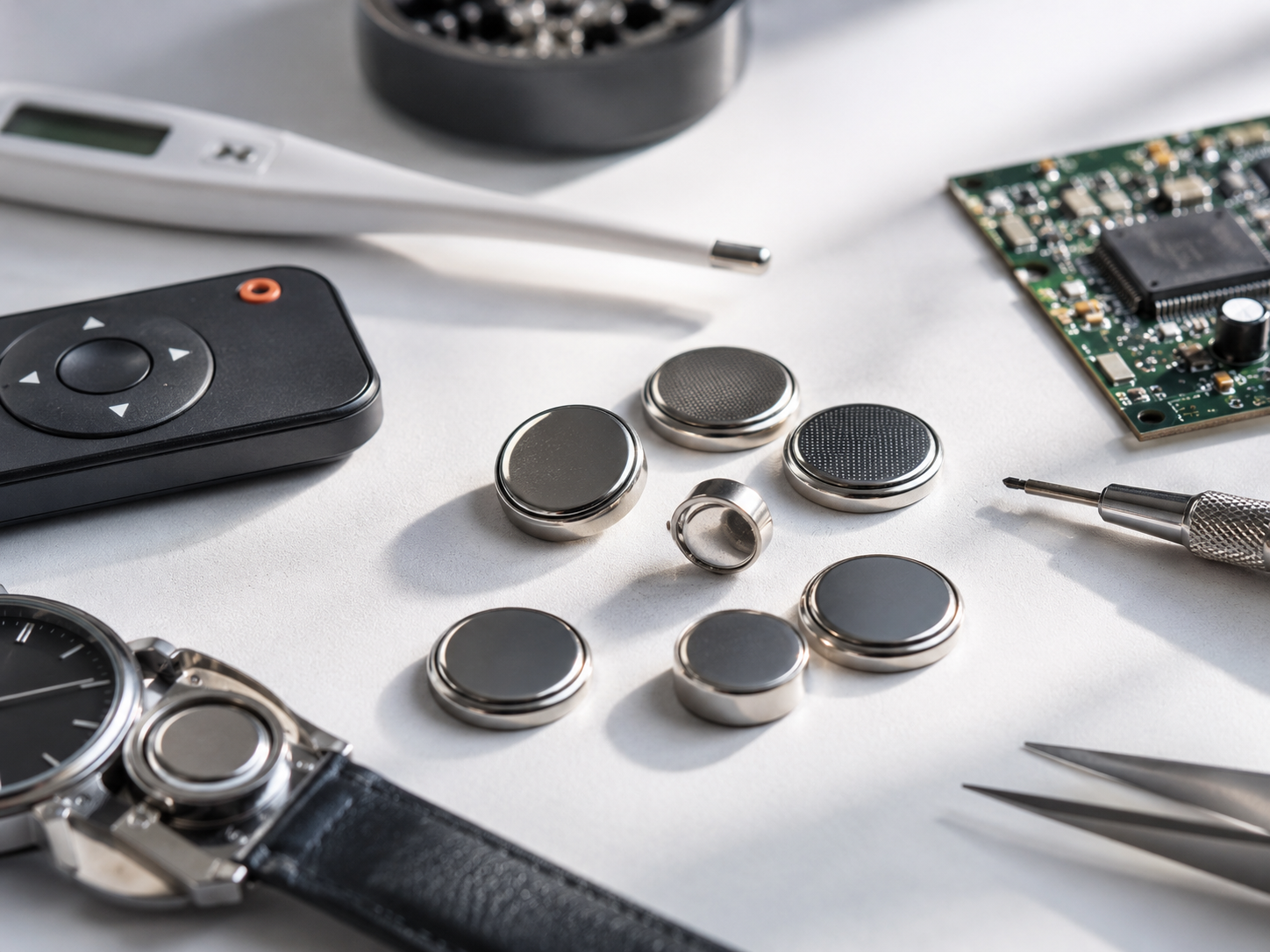
A button battery can affect device runtime, enclosure thickness, storage planning, packaging, and after-sales performance. The cell may look simple, but selecting one based solely on model number or holder size can lead to voltage drops, unstable contact, short operating life, or compliance issues during mass production. Engineers and buyers...
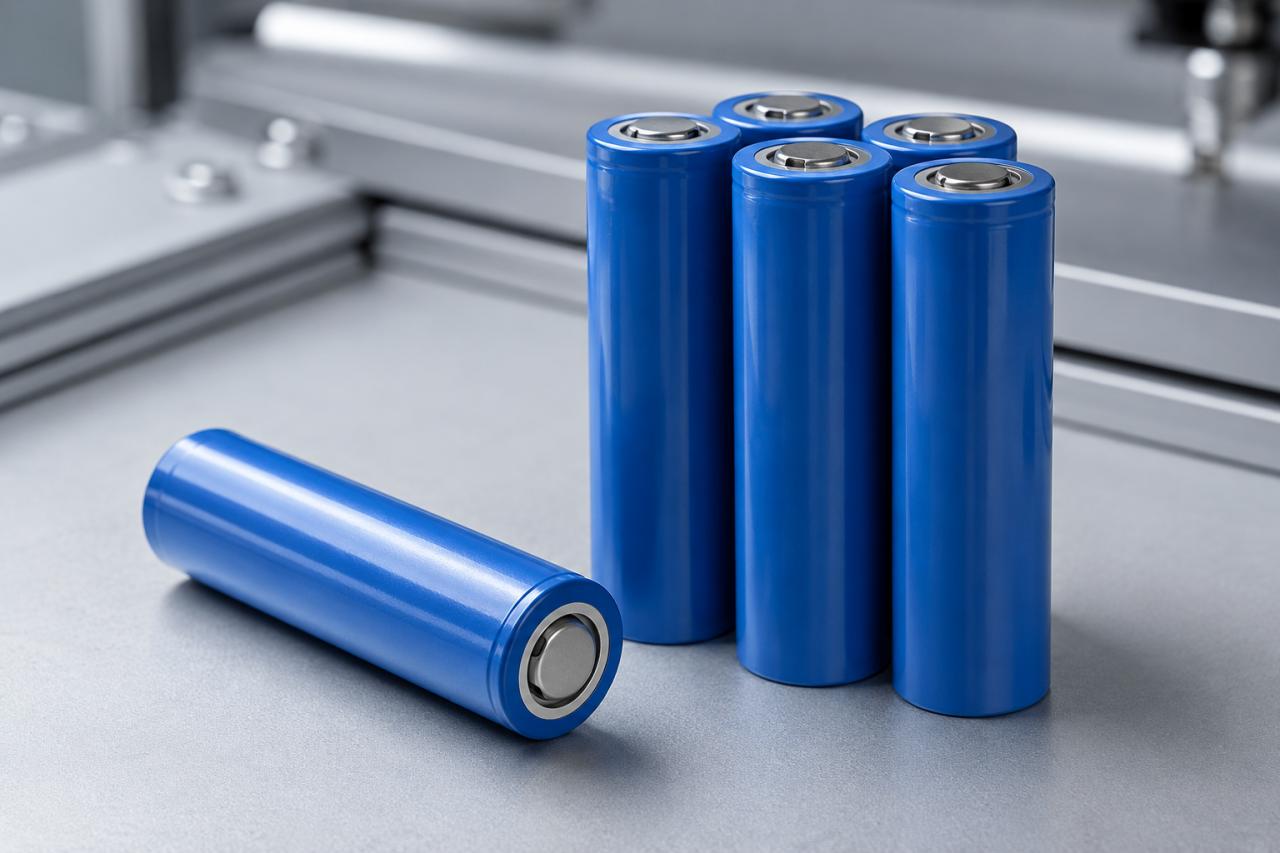
Choosing a battery cell for industrial products requires more than checking size and capacity. A 21700 Cylindrical Battery can offer higher energy capacity and more stable performance, but different applications require varying specifications, discharge capabilities, and reliability levels. Manufacturers and procurement teams should evaluate battery performance, operating conditions, quality control,...
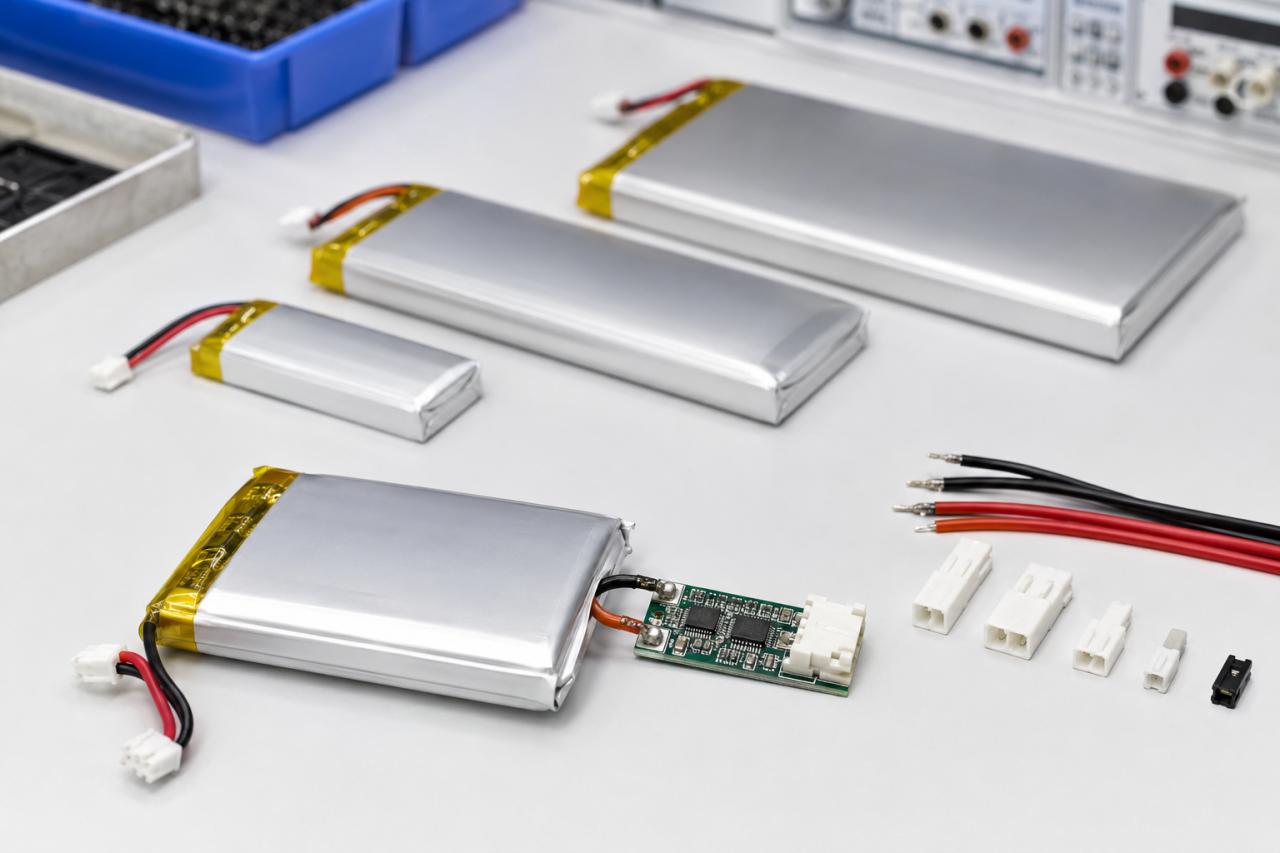
Lithium polymer battery costs can be confusing when two batteries have similar capacities but very different prices. A buyer may compare a 3.7V cell from one supplier with another 3.7V cell from a different factory and wonder why the quotation changes so much. The reason usually lies in the full...
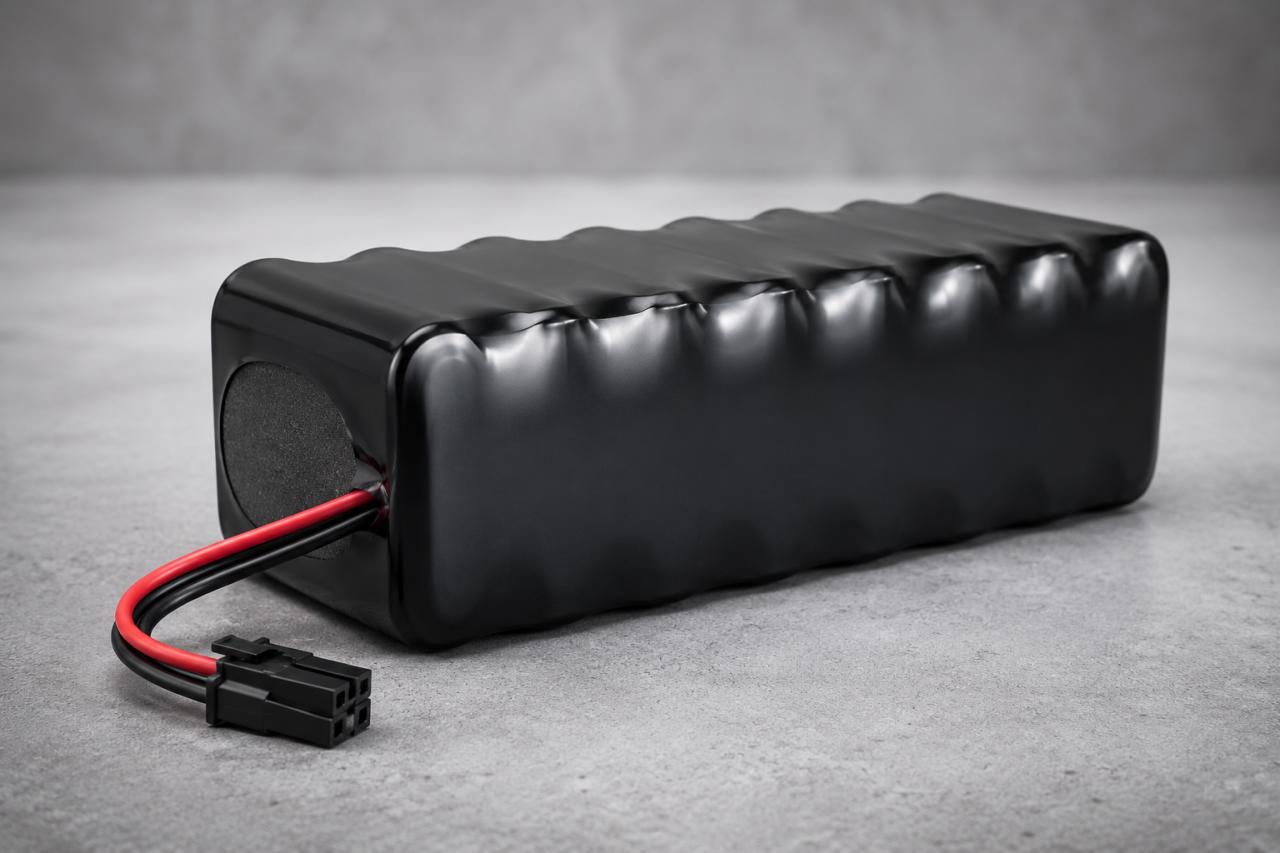
A 21700 battery pack can use different cell configurations depending on the device’s voltage, capacity, runtime, and internal space requirements. Among these structures, 3S1P and 3S2P are common options for equipment that requires a higher-voltage platform than a single cell can provide. The difference between 3S1P and 3S2P is not...
- All Post
- Battery Applications
- Battery Safety & Compliance
- Battery Technology & Guides
- Custom Battery Solutions