
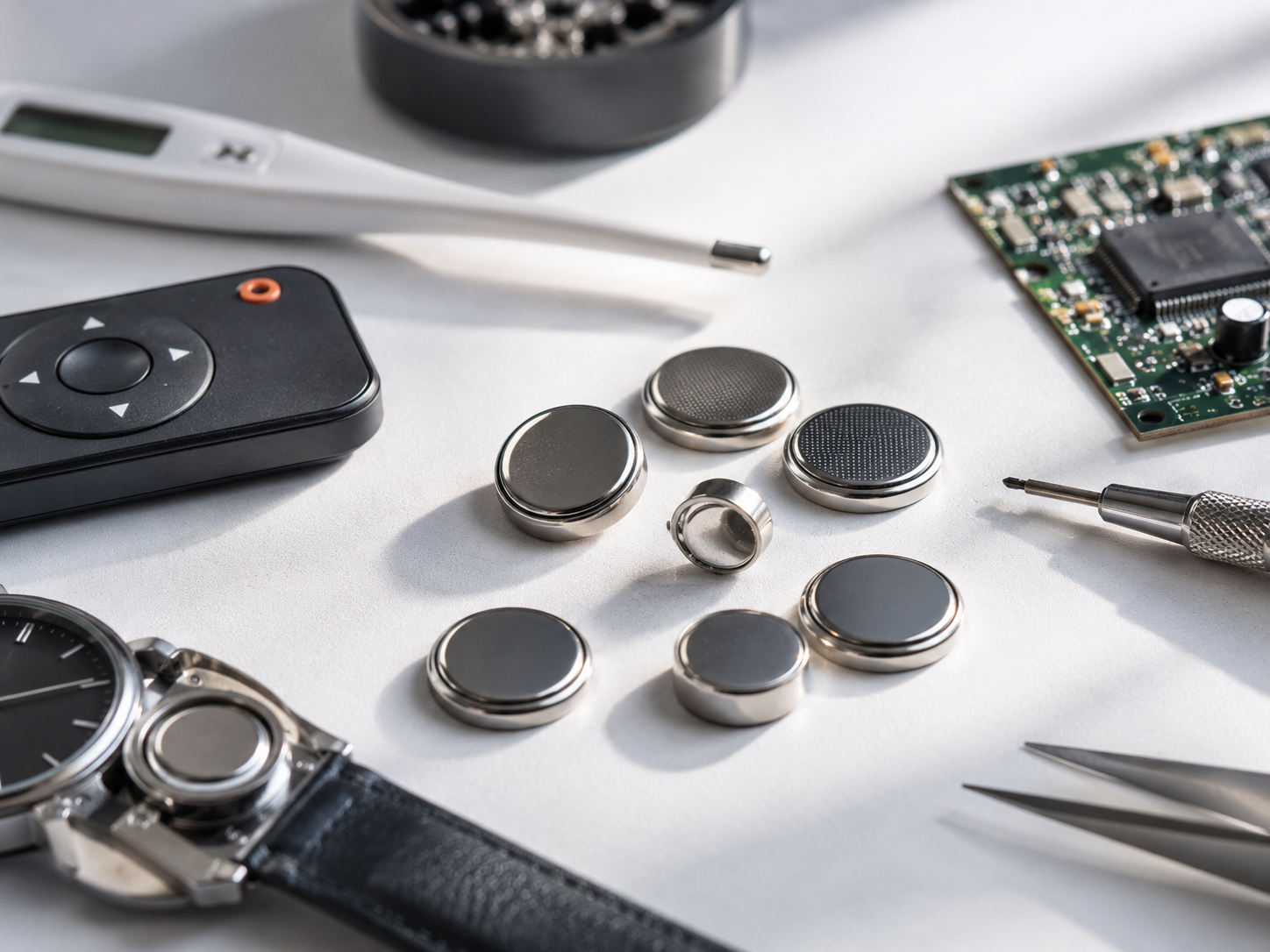
A button battery can affect device runtime, enclosure thickness, storage planning, packaging, and after-sales performance. The cell may look simple, but selecting one based solely on model number or holder size can lead to voltage drops, unstable contact, short operating life, or compliance issues during mass production.
Engineers and buyers should compare chemistry, nominal voltage, dimensions, tested capacity, pulse demand, operating temperature, holder design, and market requirements before approving a Button Battery for a small electronic device.
Why Button Battery Selection Starts With Device Load
The selection process should begin with the device load profile. A remote control, car key fob, smart tag, RTC backup circuit, wearable sensor, and measuring instrument may use the same nominal voltage while drawing power in different ways. Buyers should record the current draw, active current, pulse current, transmission duration, duty cycle, minimum operating voltage, expected runtime, and storage period. Average current alone can hide short wireless or motor-driven peaks that pull the cell voltage below the device cutoff point.
Testing should also cover the expected temperature range. Cold conditions can reduce available output, while long storage at elevated temperatures can increase capacity loss. A cell that passes a short room-temperature test may still perform poorly after months of storage or repeated pulse loading. Enclosure dimensions also affect the decision. A thinner cell can reduce product height, while a thicker model may provide more capacity. Engineers need to balance available space, operating time, holder depth, and replacement access.
Compare Button Battery Chemistry, Size, and Capacity
Lithium manganese dioxide coin cells commonly provide a nominal 3V output for compact electronic devices. Other button cell chemistries use different voltage levels and discharge curves, so engineers should not replace one chemistry with another without checking the circuit and battery-level detection logic. Capacity figures also depend on the test method. Buyers should review the load resistance, cutoff voltage, temperature, and discharge pattern behind the published rating. A higher mAh rating does not always translate to better device performance when the application produces frequent current pulses.
Primary coin cells and rechargeable small batteries also require different electrical designs. A product with a charging circuit must use a compatible rechargeable cell. Installing a non-rechargeable lithium coin cell in a charging system can create serious safety risks.
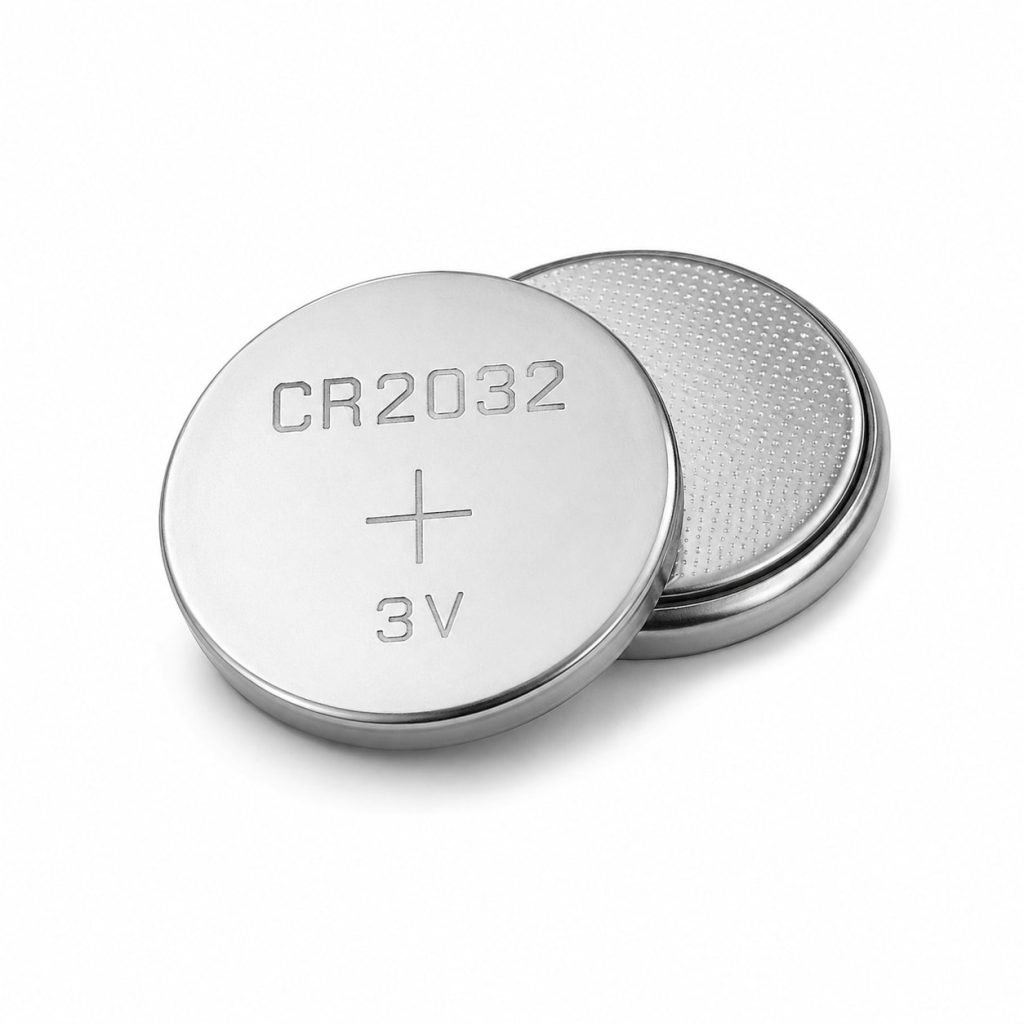
When a CR2032 Coin Cell Fits the Design
The CR2032 3V battery has a diameter of 20 mm and a thickness of 3.2 mm. Its larger internal volume generally provides more capacity than a CR2025, making it a common choice for remote controls, smart tags, RTC backup circuits, sensors, and other low-drain electronics. The enclosure and battery holder must support the full cell thickness. Engineers should also test pulse voltage, contact pressure, and runtime in the finished device rather than approve the battery based on capacity data alone.
When a CR2025 Battery Reduces Product Thickness
The CR2025 3V battery has the same 20 mm diameter as a CR2032 but is thinner at 2.5 mm. This format can help manufacturers build slimmer remote controls, wearable devices, calculators, tags, and compact sensors. The smaller internal volume usually means less capacity than a CR2032. A CR2025 should not be used as a replacement for a CR2032 solely because both models share the same diameter and nominal voltage. The device runtime, holder depth, spring pressure, and pulse demand must match the selected cell.
Check Pulse Load Before Approving a Button Battery
Wireless tags, key fobs, sensors, and compact transmitters often remain in sleep mode for long periods and then draw brief current peaks. These peaks can cause temporary voltage drops even when the battery still has usable capacity. Engineers should test the cell with the actual firmware, radio module, capacitor network, and device cutoff voltage. Measuring voltage during startup and wireless transmission provides more useful information than checking open-circuit voltage alone.
The team should repeat the test after partial discharge. A new coin cell may handle the initial pulse without difficulty, while the voltage may drop below the operating limit later in its service life. When pulse demand exceeds the cell’s output capability, the design may require a different battery model, a lower-power circuit, a larger capacitor, a revised transmission cycle, or another battery chemistry. Increasing rated capacity alone may not solve a pulse-related shutdown.
Treat the Battery Holder as Part of the Power System
Poor mechanical contact can cause resets, intermittent shutdowns, and field complaints that appear to be battery defects. The completed assembly should maintain stable contact during normal handling, vibration, drops, transport, and repeated battery replacement. Engineers should review positive and negative contact areas, spring force, holder tolerance, metal plating, insertion direction, and reverse-installation protection. The cell should not slide, rotate, or lift when the product moves.
Wearable devices, portable sensors, key fobs, and remote controls need additional vibration and drop testing. Testing loose cells with temporary wires cannot show whether the production holder creates movement, uneven pressure, or excessive contact resistance. Surface contamination can also interrupt the electrical connection. Assembly teams should avoid touching contact surfaces with bare hands and should keep battery holders free from dust, oil, and residue.
Plan Button Battery Safety Before Packaging
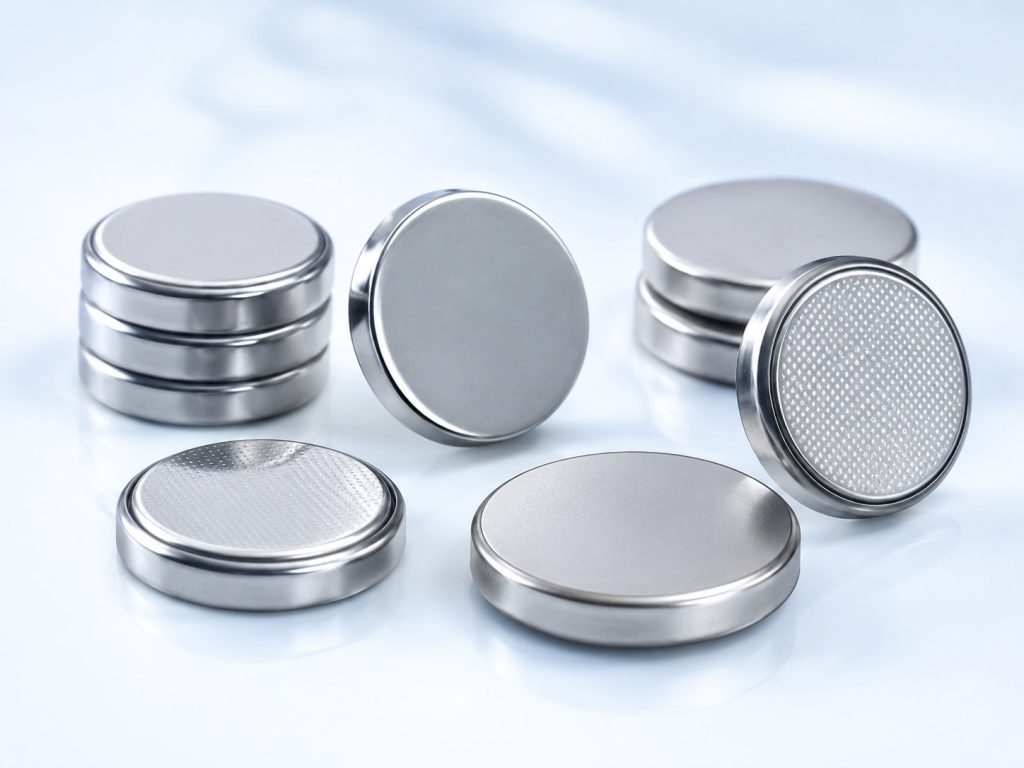
Small coin cells can cause severe injury when swallowed. Product teams should restrict child access, secure replaceable-battery compartments, and prepare warnings before enclosure tooling and retail packaging are finalized. Battery compartments may require screws, captive fasteners, or another opening method to prevent young children from reaching the cell. The design should also reduce the chance of the battery falling out after drops or repeated use.
Buyers selling products in the United States should review official button battery safety guidance from the U.S. Consumer Product Safety Commission. Product type, battery accessibility, packaging, warnings, instructions, and certification requirements should be confirmed before production. Bulk coin cells also need separation and short-circuit protection during storage, assembly, and transport. Buyers should ask the supplier to confirm the packaging methods, shipping documents, labeling, and any applicable lithium battery test reports.
Compare Suppliers With Complete Project Data
A supplier comparison should cover more than unit price. Buyers should also review sample consistency, production traceability, documentation, packaging support, lead time, and the supplier’s ability to understand the device load profile. Send the supplier the target voltage, operating current, pulse current, temperature range, expected runtime, annual volume, destination market, holder drawing, and packaging requirements. Complete project information reduces the risk of receiving a cell that fits physically but performs poorly in the device.
Buyers can request product specifications, discharge curves, shelf-life conditions, batch records, compliance documents, and support for sample testing. OEM button battery orders may also require custom labels, blister cards, trays, solder tabs, or assembly-ready packaging. Companies sourcing multiple battery formats can review a broader range of Lithium Battery Products to compare coin cells with cylindrical and polymer batteries, as well as custom battery packs for different product lines.
Which Button Battery Should You Choose?
Choose a Button Battery that matches the device voltage, enclosure dimensions, pulse demand, operating temperature, runtime target, holder structure, packaging method, and destination-market requirements. A CR2032 can provide more capacity when the enclosure accepts a 3.2 mm cell. A CR2025 can reduce product thickness when its lower capacity still supports the required operating time. Model selection should follow device testing rather than diameter or voltage alone.
Before approving mass production, test standby current, active pulses, partial discharge, temperature exposure, drops, vibration, storage, and repeated replacement. These checks help prevent short runtime, voltage resets, loose contact, shipment delays, and user safety problems.