- All Post
- Battery Applications
- Battery Safety & Compliance
- Battery Technology & Guides
- Custom Battery Solutions
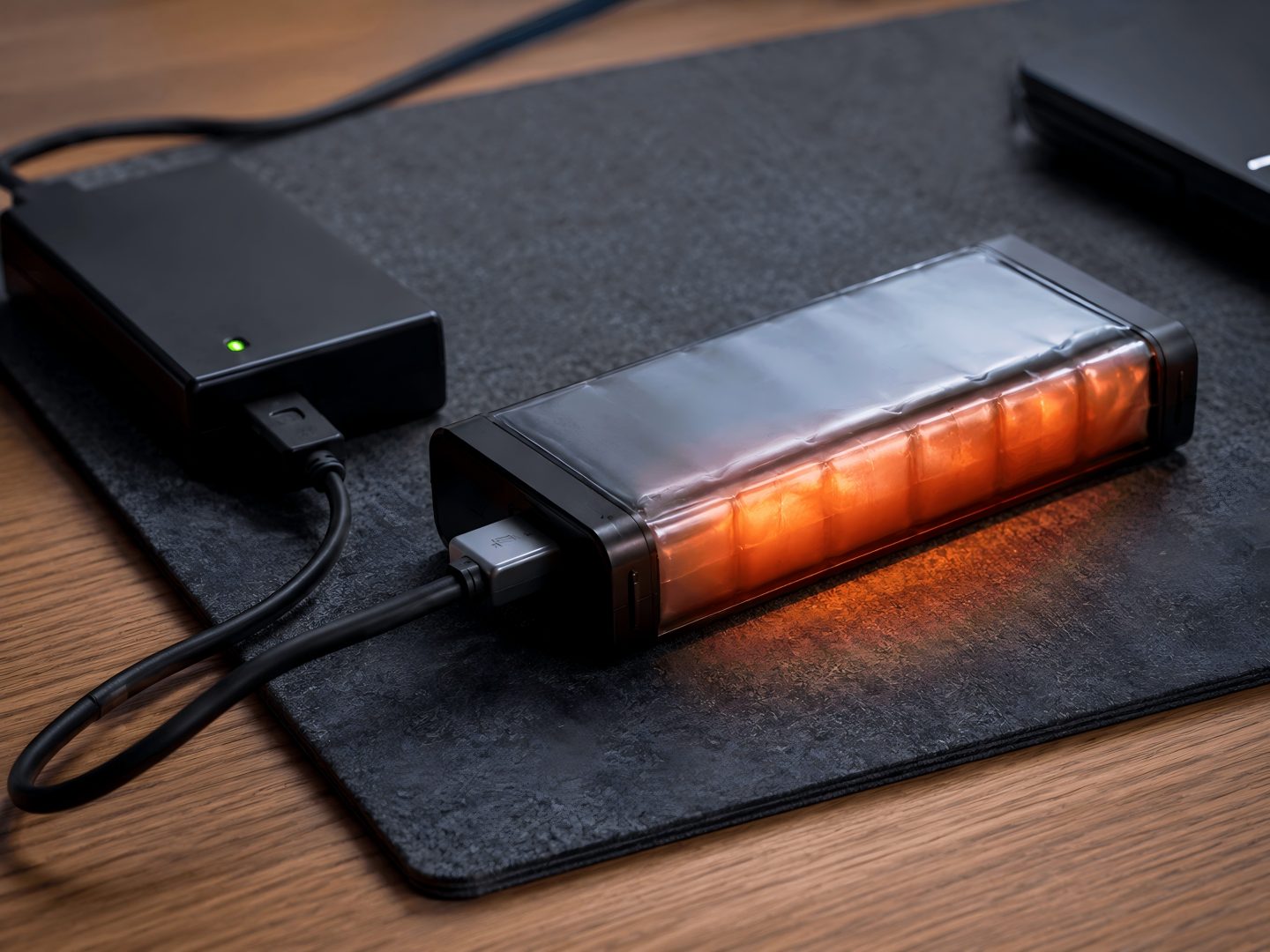
Lithium polymer battery pack clearance leaves little tolerance for dimensional or assembly errors in a thin device. A nominal pouch cell may fit a CAD envelope while the finished assembly does not. Protection electronics, insulation, cable routing, connector position, adhesive, labels, and manufacturing variation all consume space. Charging heat and...

Cylinder high-capacity battery testing must confirm usable runtime because a higher nominal capacity does not automatically improve device performance. Voltage drop under load, device cutoff, temperature, cell resistance, pack losses, and ageing determine how much energy the equipment can actually use. The Incoming Batch Decision for cylinder high-capacity battery testing...
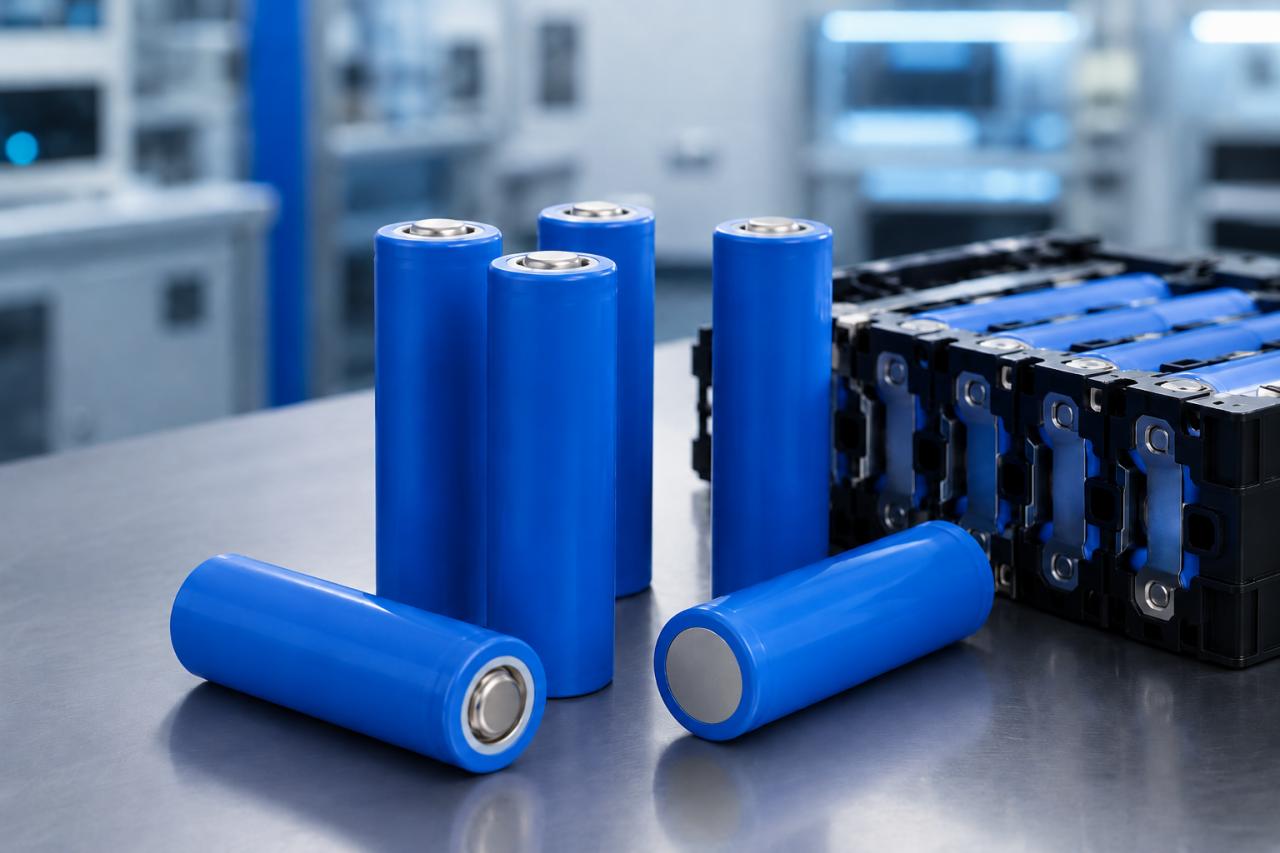
Custom cylindrical lithium-ion battery design should use the cell format that best fits the complete electrical, mechanical, thermal, sourcing, and validation requirements. The 18650 or 21700 Decision for custom cylindrical lithium-ion battery design Use 18650 cells when the project benefits from smaller cell diameter, flexible layouts, or an established qualified...
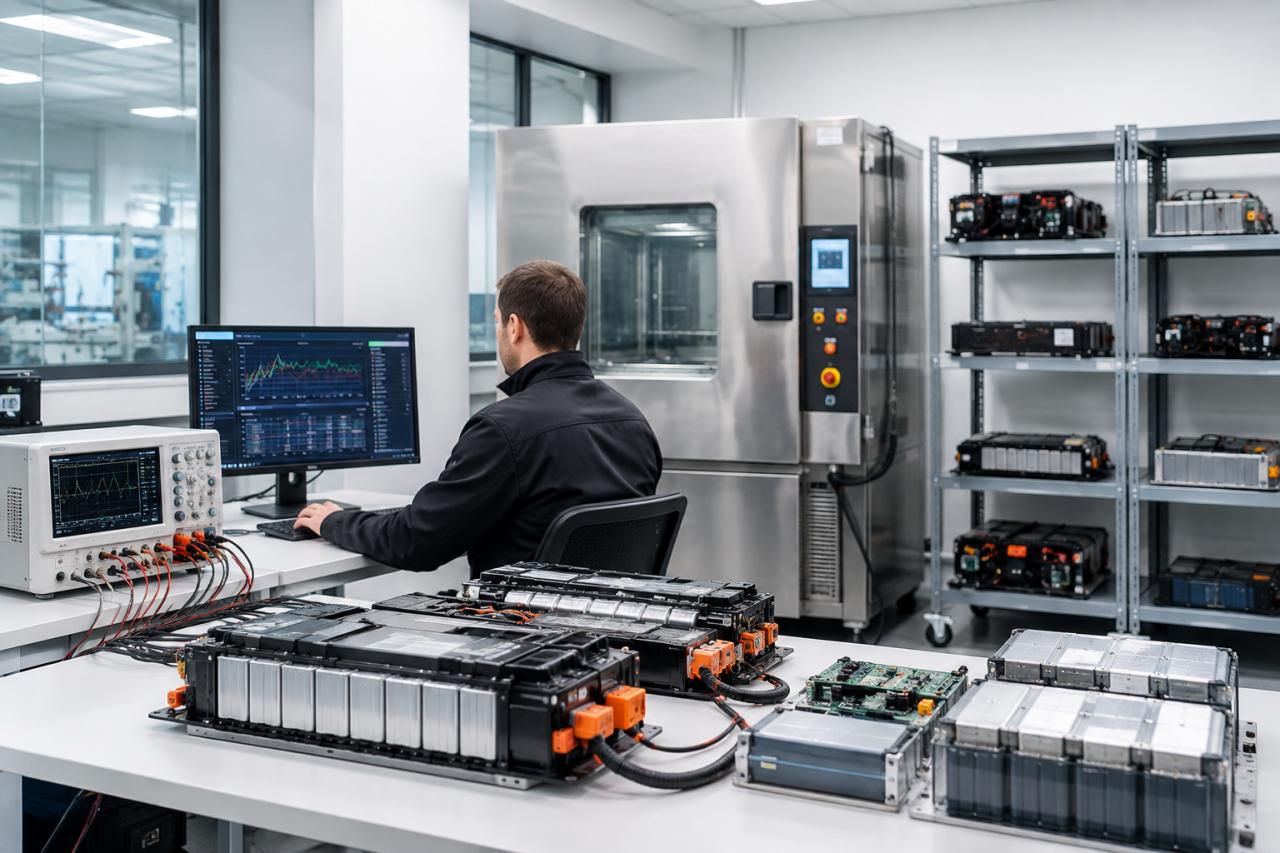
A custom battery manufacturer audit must go beyond equipment and capacity because a factory tour does not prove that the supplier can convert a device requirement into a controlled production battery. Buyers need evidence that links engineering decisions, approved samples, process controls, inspection records, traceability, and change management. The Audit...
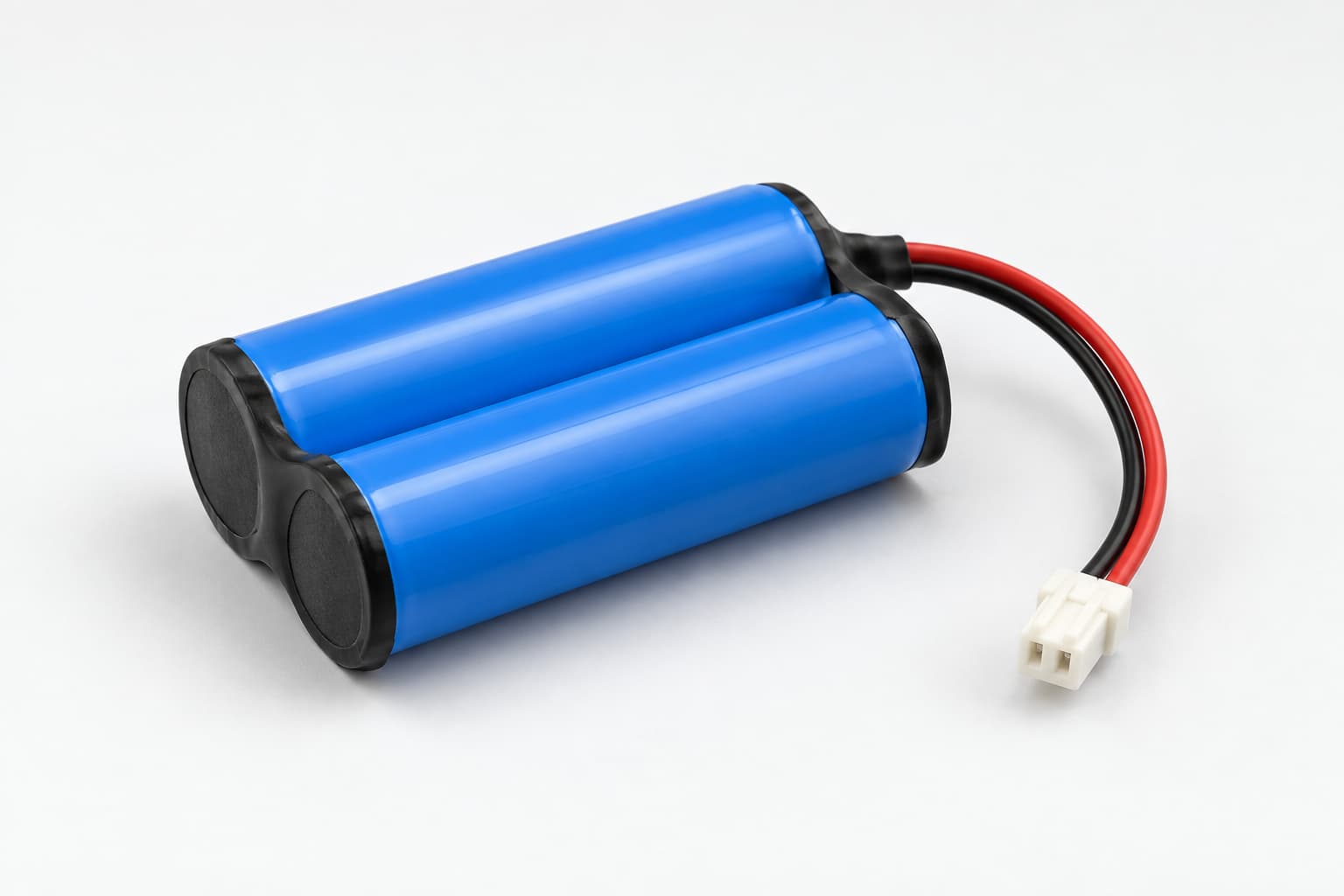
An effective 18650 battery pack design for OEM devices starts with measured product requirements, not a preferred cell or capacity label. The pack must support the device voltage, peak load, runtime, charging method, available space, operating temperature, and target market. It must also remain reproducible when the project moves from...
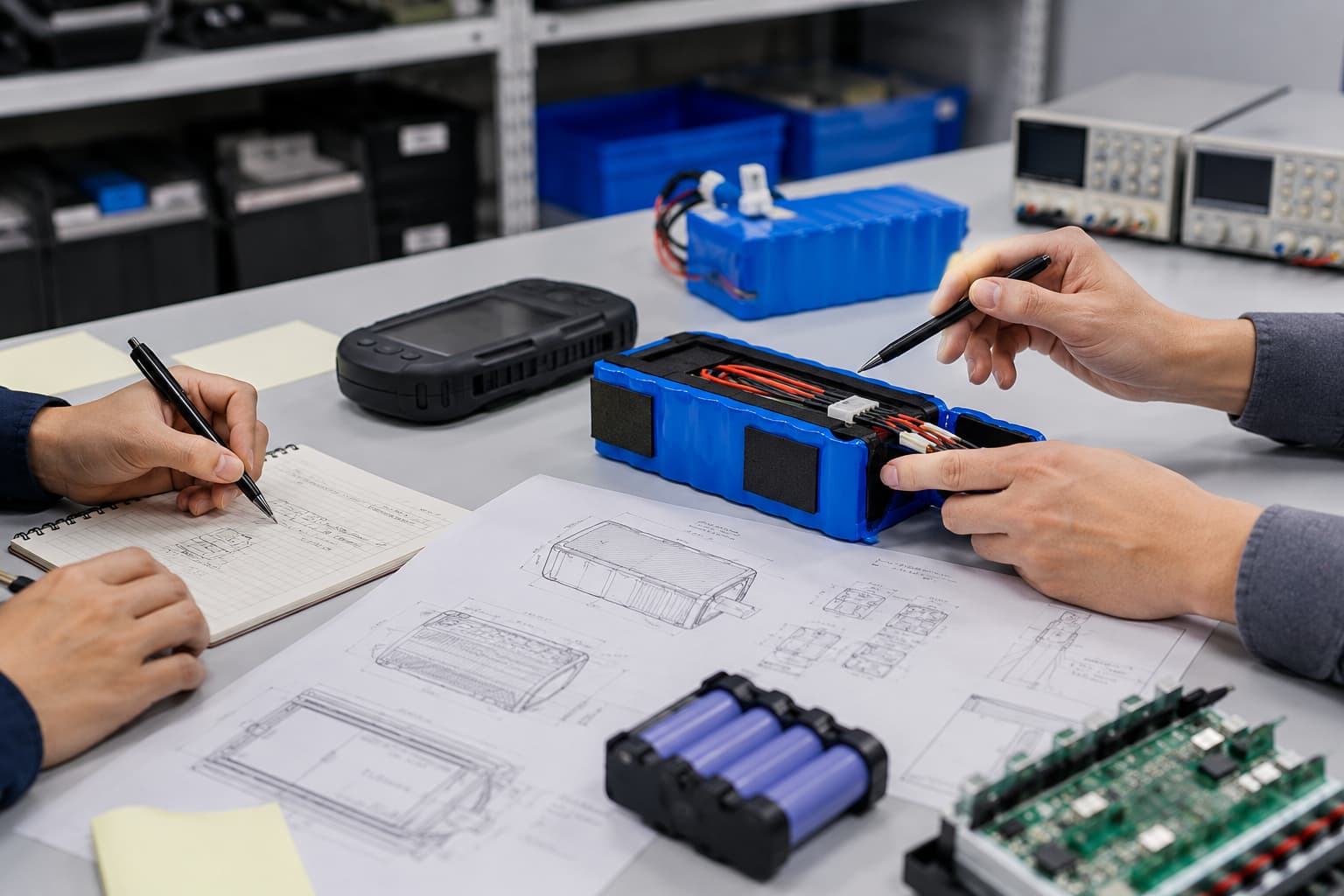
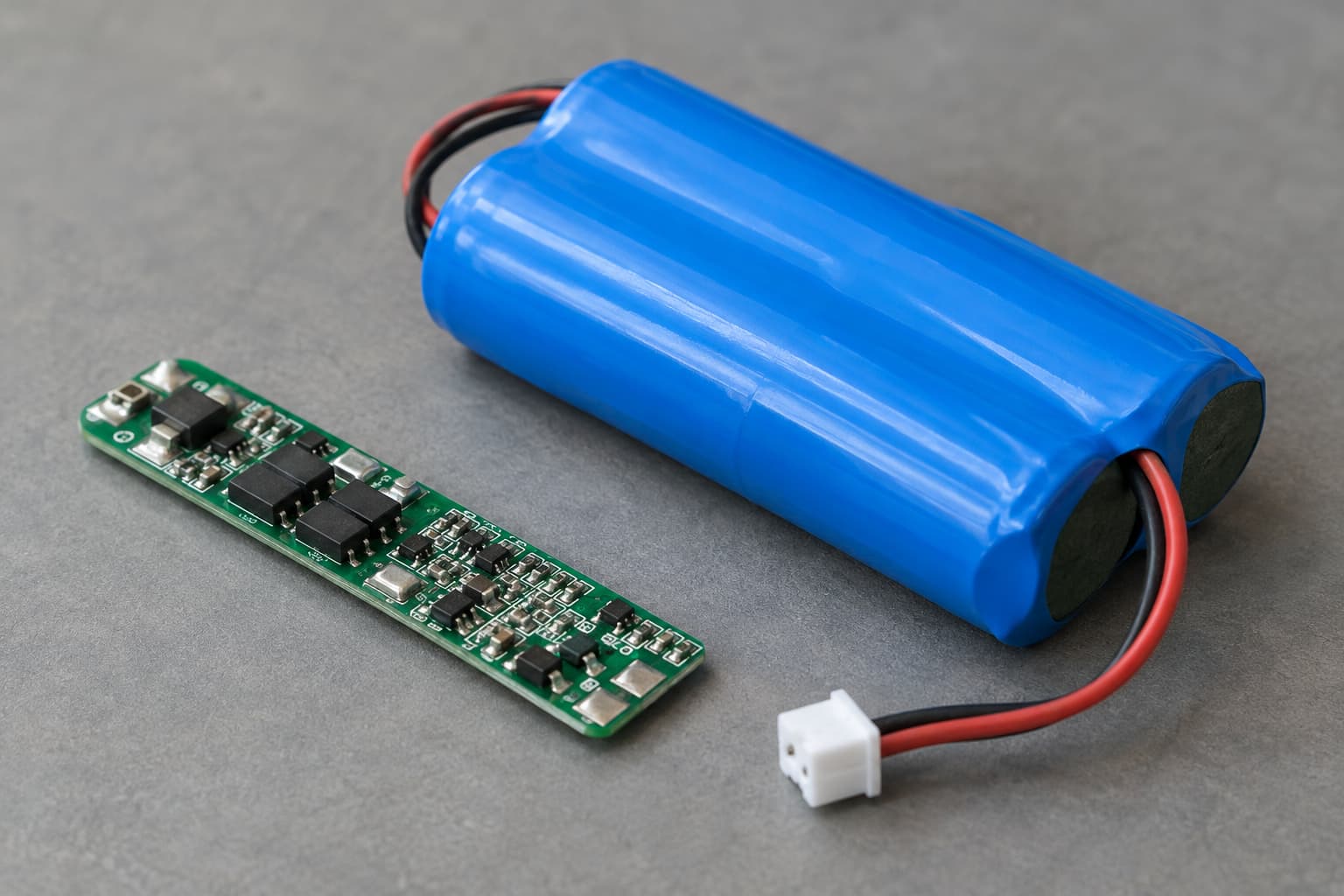
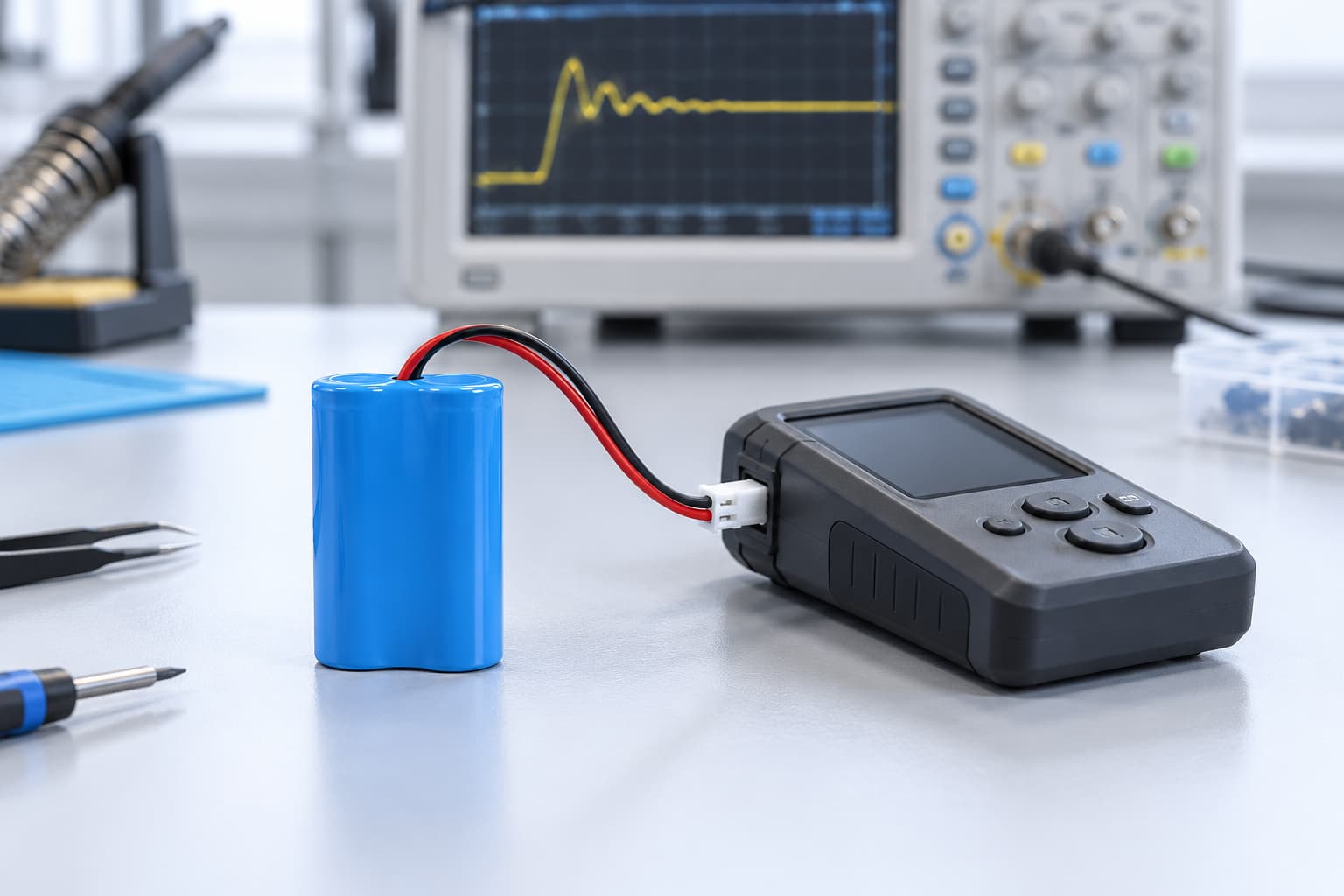
Battery prototyping and design turns device requirements into a battery pack that can be tested, approved, and manufactured consistently. A useful prototype must prove more than voltage and runtime. It should also confirm peak-current performance, charging behavior, protection settings, mechanical fit, connector orientation, temperature response, and assembly quality. A production-ready...
- All Post
- Battery Applications
- Battery Safety & Compliance
- Battery Technology & Guides
- Custom Battery Solutions