
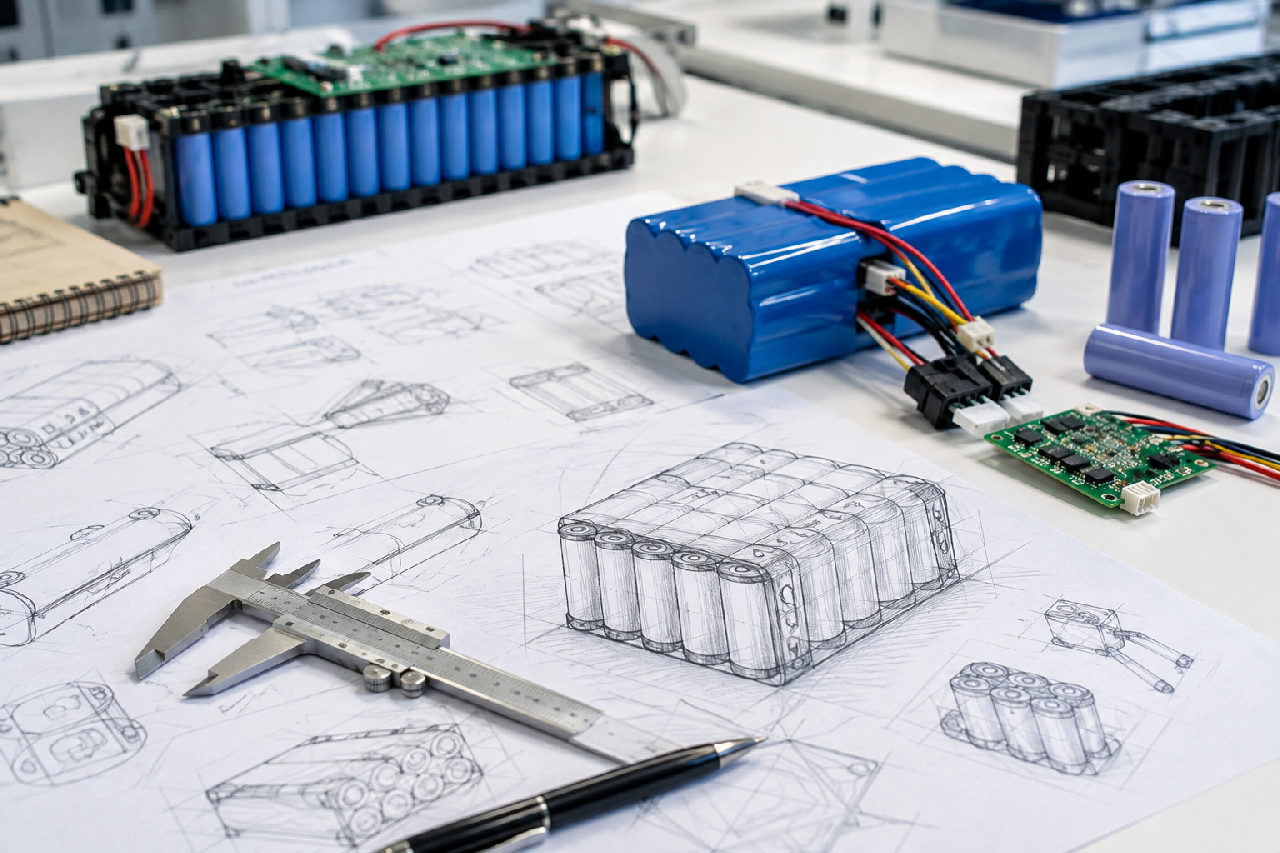
Standard batteries work well when a product can accept an existing size, voltage, capacity, and connector. Once a device has limited installation space, unusual power demand, a specific charging system, or strict runtime requirements, Custom Battery Solutions may be required. Customization involves more than changing capacity. Cell selection, pack configuration, protection settings, wiring, connectors, mechanical layout, testing, and future production all affect whether the battery can operate reliably inside the finished product. The following six questions cover the main issues that should be clarified before moving from an initial battery requirement to samples and mass production.
1. What Information Is Needed for Custom Battery Solutions?
A battery project should start with the device rather than an assumed battery model. The first step is to define the operating voltage, expected runtime, average and peak current, available installation space, charging method, working temperature, connector requirements, and estimated order volume. These specifications help the engineering team determine whether an existing cell can support the application or whether the project requires a different chemistry, pack structure, protection circuit, or mechanical arrangement.
Runtime expectations also need context. A request for “8 hours of operation” has little engineering value unless the actual load is known. A device drawing 300 mA continuously has a very different battery requirement from equipment that normally draws little current but periodically produces a high peak load. Physical information matters as much. A target length, width, and thickness can immediately exclude certain cell formats. Connector position, wire direction, mounting method, and enclosure clearance may also influence the final structure.
Which Specifications Should Be Prepared First?
Start with the information that cannot easily change on the finished device: system voltage, battery compartment dimensions, maximum load, connector interface, and required runtime. If the product is still under development, Battery Engineering can work in the opposite direction. Engineers can evaluate the available space and power profile, then recommend a practical capacity, configuration, and cell format. This approach often provides more flexibility than defining a fixed battery specification before the device design is stable.
2. Can Battery Size, Voltage, and Capacity Be Fully Customized?
Many battery parameters can be adjusted, but they cannot be treated independently. Increasing capacity normally requires more active cell material or additional cells. That can increase battery size and weight. Raising voltage may require more cells in series, while higher current demand can affect cell selection, wiring, nickel connections, protection components, and thermal behavior.
A successful Custom Battery Solutions project therefore needs to balance electrical performance, physical dimensions, runtime, weight, and application requirements instead of focusing on a single specification.
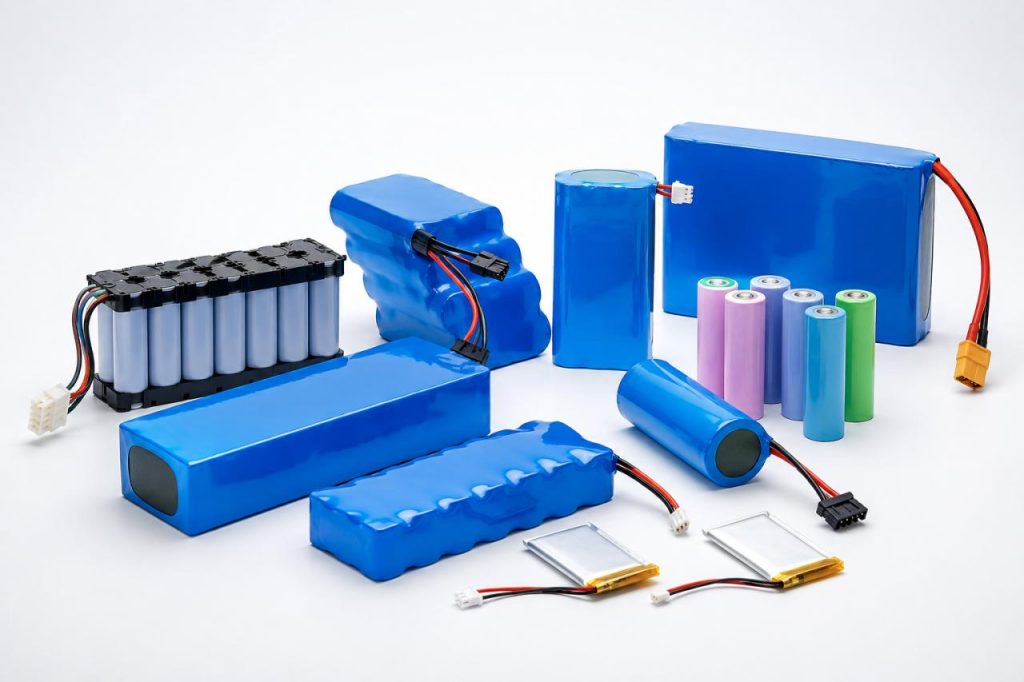
This is why Battery Pack Design starts with balancing several technical requirements rather than focusing on a single target number. For a portable instrument, reducing thickness may matter more than maximizing energy capacity. For industrial equipment, stable current delivery and mechanical durability may matter more than minimum weight. A handheld product may have a strict weight limit, while stationary equipment may have enough space for a larger pack that provides longer operating time. Customisation can also cover connector type, wire length, wiring direction, insulation, external casing, mounting features, temperature sensing, and protection circuitry.
How Does Battery Pack Design Balance Size and Runtime?
Engineers normally compare the available volume with the product’s energy demand. If the required runtime cannot fit inside the available battery compartment, the design team must adjust one of the constraints. The project might use a higher-energy cell, reduce unused mechanical space, change the cell arrangement, revise the device’s power consumption, or accept a shorter operating time. Well-developed Custom Battery Pack Solutions make these compromises visible early. A prototype should prove that the proposed capacity and structure work inside the actual product instead of relying only on theoretical energy calculations.
3. How Do Engineers Select the Right Battery Cells?
Capacity is only one part of cell selection. Engineers also need to consider nominal voltage, maximum continuous current, peak current, cycle requirements, operating temperature, available dimensions, charging conditions, weight, and expected product life.
Supply stability also matters for products that require repeat production. A cell may perform well during prototype testing, but the project still needs a reliable path to future manufacturing. Cell selection should therefore consider both electrical performance and long-term production suitability. Different Lithium Battery Solutions also suit different product structures. Cylindrical cells provide standardized mechanical formats and can work well when the enclosure can accommodate their fixed dimensions. Lithium polymer batteries offer more flexibility for thin or space-constrained devices. The correct choice depends on the product requirements, not on assuming one cell format will suit every application.
For this reason, Custom Battery Solutions should consider cell availability and long-term manufacturing requirements alongside electrical performance.
Cylindrical Cells or Polymer Batteries?
Cylindrical cells are useful when the project requires a defined cell format, robust structure, or pack configurations built from multiple standardized cells. They can be arranged in series and parallel to reach different voltage and capacity targets. Polymer batteries can be more practical for thin devices or products with limited internal volume. Their flatter form can give engineers additional freedom when integrating the battery with displays, circuit boards, sensors, or other internal components. Battery Engineering Solutions should compare these options against the complete device requirement instead of choosing a cell based only on capacity.
4. Can the BMS Be Customized for Different Applications?
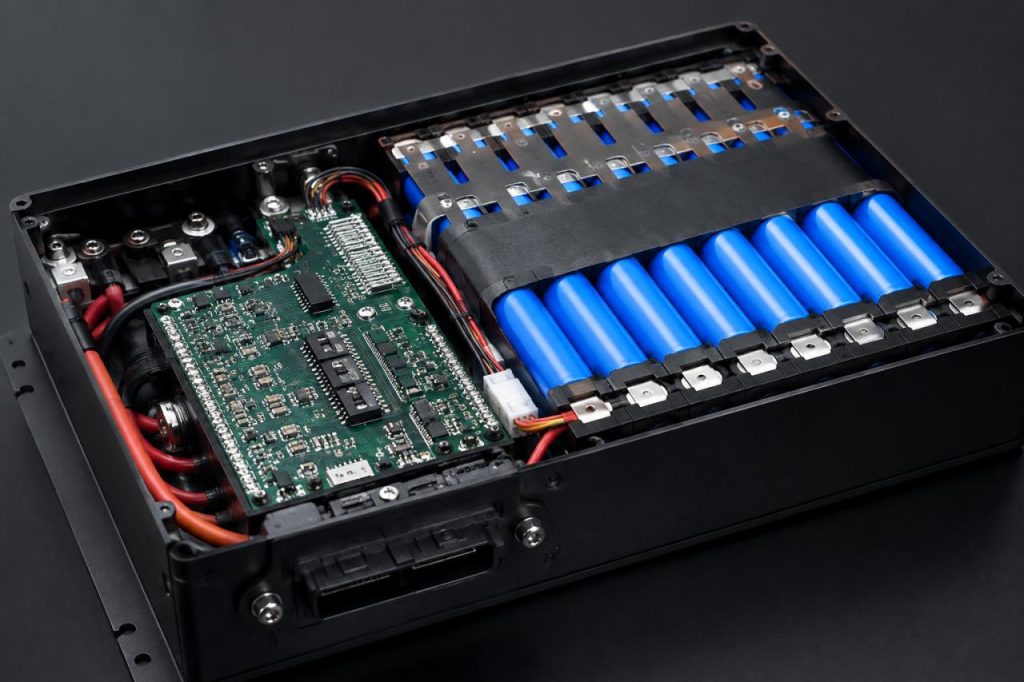
Yes. Protection requirements can change substantially between applications. A battery management or protection system may control overcharge, over-discharge, overcurrent, short circuit, and temperature conditions. More advanced systems can also support functions such as state-of-charge monitoring, communication, balancing, or application-specific control logic. The correct protection thresholds depend on the cells, pack configuration, load profile, charger, and device behavior. A low-power monitoring device and a product with a high startup current should not automatically use identical protection settings.
Protection parameters that are too restrictive can cause unwanted shutdown during normal operation. Parameters that do not match the cells or application can also create performance and safety problems. The battery and the equipment connected to it therefore need to be evaluated as one electrical system.
What Protection Functions Should a Custom Battery Include?
The answer should come from the product’s actual operating conditions. If the device can create high transient current, the protection strategy must distinguish normal peak demand from a genuine overcurrent condition. Products used in changing temperatures may require temperature sensing and suitable charging restrictions. Multi-cell packs may require additional monitoring or balancing depending on the configuration. Charger specifications and load information should be provided during development so the BMS can be matched to the complete electrical system.
5. How Are Custom Battery Samples Tested Before Mass Production?
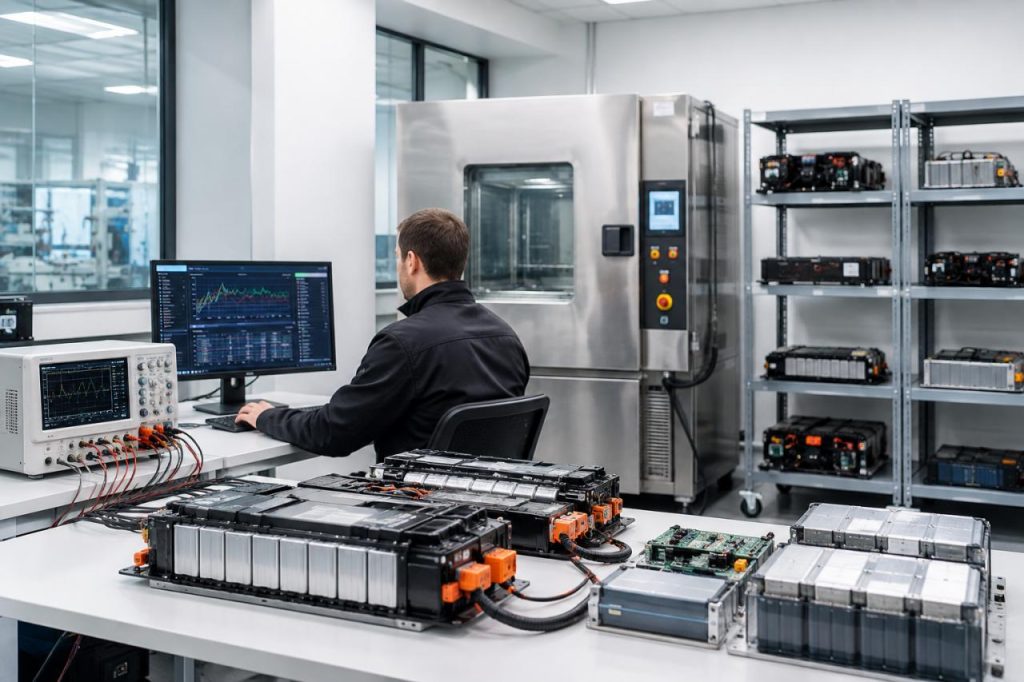
A sample should verify more than whether the device powers on. First, the battery needs to fit correctly inside the intended enclosure. The connector, polarity, wire length, mounting position, and mechanical clearances should all match the device. The development team should then test the battery under representative operating conditions. This includes normal runtime, expected load, peak demand, charging behavior, temperature, and protection response where relevant.
Testing the battery inside the actual device can uncover issues that are difficult to identify from a drawing alone. A wire may interfere with enclosure assembly. A connector may be difficult to reach. The device may draw a higher peak current than expected. Heat from nearby electronics may also change the battery’s operating environment. Professional Battery Pack Design Services allow these electrical and mechanical details to be reviewed together before the design moves into production.
Prototype testing is particularly important for Custom Battery Solutions because electrical specifications and mechanical integration must work together in the finished device.
What Should Be Checked During Prototype Testing?
The prototype should be compared against the original product requirements. Actual runtime should reach the target under realistic use. The battery should remain mechanically secure, charging should work correctly with the intended charger, and normal peak loads should not cause unexpected shutdowns.
Any change made after testing should also be documented. Connector changes, different cells, revised protection settings, wiring modifications, or enclosure changes can affect the final configuration. For products that will be shipped internationally, transport requirements should be considered before production. Lithium batteries are regulated as dangerous goods for air transport, and requirements vary according to battery type, configuration, energy rating, packaging, and shipping method. International shipping requirements can be reviewed through the IATA lithium battery air transport guidance during logistics planning.
6. How Long Does a Custom Battery Project Take?
There is no single development period that applies to every custom battery project. A relatively simple project based on an existing cell and standard protection design can move faster than a project requiring a new mechanical structure, custom BMS functions, special components, repeated prototype changes, or additional testing. The quality of the initial requirements also affects development efficiency. Accurate electrical specifications, drawings, connector information, charger details, application conditions, and expected quantities allow engineers to evaluate the project with fewer assumptions.
Prototype testing creates another variable. If the first sample reveals a mechanical or electrical issue, the design may need another revision before approval. Resolving these issues during development can prevent the same problems from appearing after mass production has started.
What Can Delay Prototype and Mass Production?
Incomplete device information is one common source of delay. Changes to dimensions, connectors, load requirements, chargers, or BMS functions after prototype development can require parts of the battery design to be reviewed again. Cell and component availability can also affect production planning. Certification or transport testing requirements may add additional steps, especially when the battery will be sold across several markets.
These risks can be reduced by freezing the main device requirements before requesting the final production version. The approved sample, drawings, electrical specification, cell configuration, connector, wiring, protection settings, and labeling requirements should all describe the same product. A clear specification gives both the development team and battery manufacturer a common reference for production. It also makes future repeat orders easier to manage when the product remains in the market for several years.
For a new Custom Battery Solutions project, the most useful starting information is straightforward: define what the device does, how much power it needs, how long it must operate, how much space is available, and where the finished product will be used. From there, the battery can be designed around the actual product instead of forcing the product around an unsuitable standard battery.