
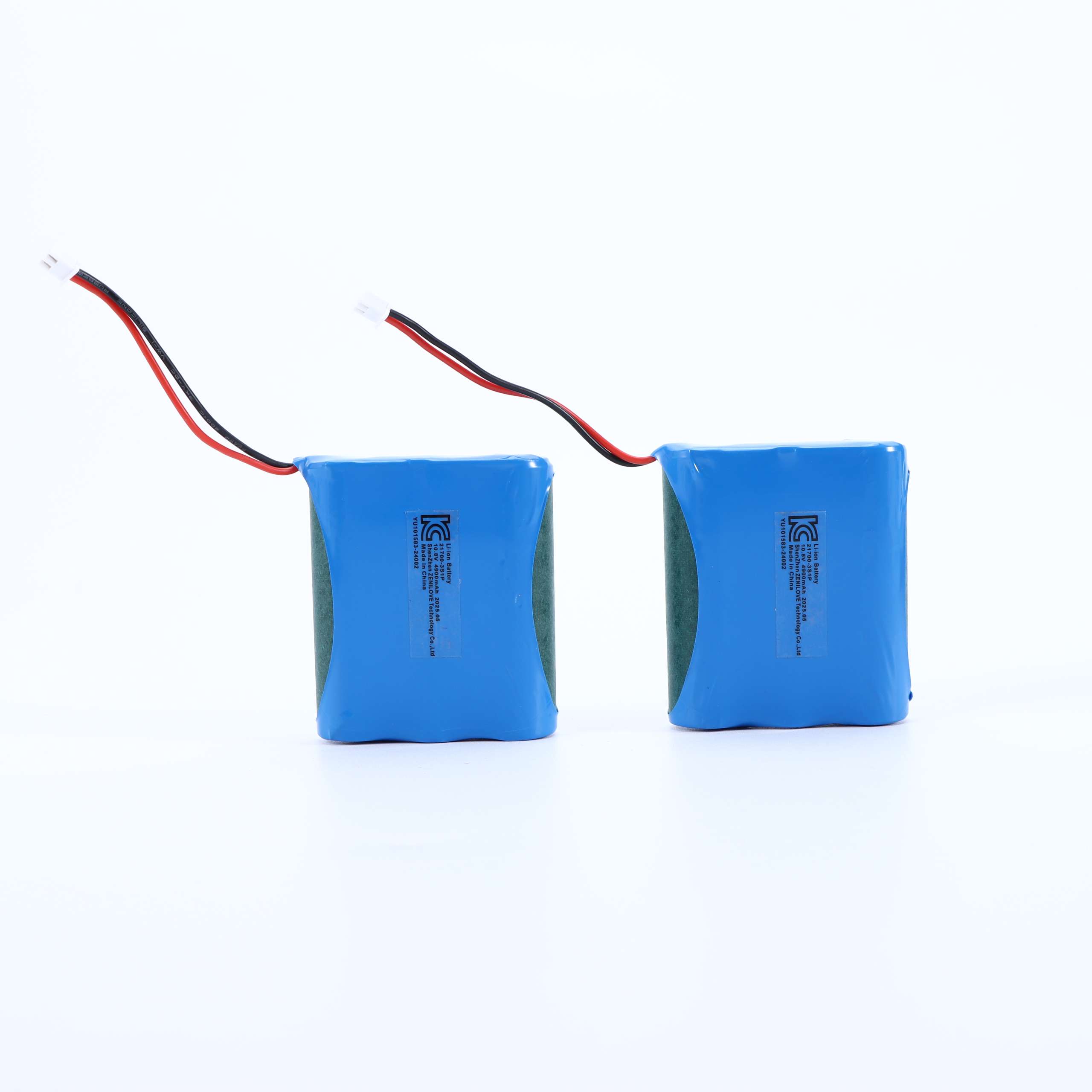
21700 3S1P 4900mAh Triangle Battery Pack for Compact Equipment
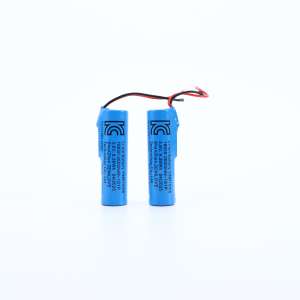
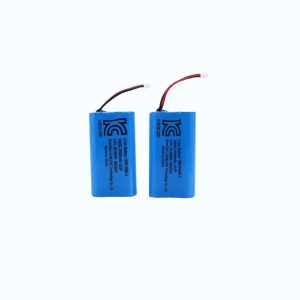
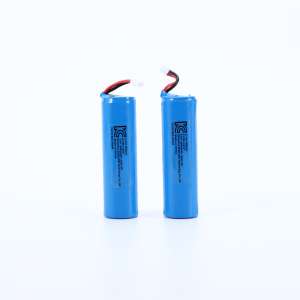
Some portable devices need a 10.8V power source but cannot accommodate a wide, flat battery arrangement. The 21700 3S1P 4900mAh Triangle Battery Pack places three cylindrical cells in a compact triangular configuration to use the available installation space more efficiently. Each 21700 cell provides a nominal voltage of 3.6V and a rated capacity of 4900mAh. Connecting three cells in series raises the complete pack voltage to 10.8V while keeping the capacity at 4900mAh.
The finished pack provides:
- 10.8V nominal voltage
- 4900mAh rated capacity
- 52.92Wh nominal energy
- Three matched 21700 cells
- 3S protection board
- Customizable wires and connector
This structure can support compatible monitoring equipment, handheld industrial devices, inspection instruments, communication products and other portable equipment designed around a 10.8V lithium-ion power system.
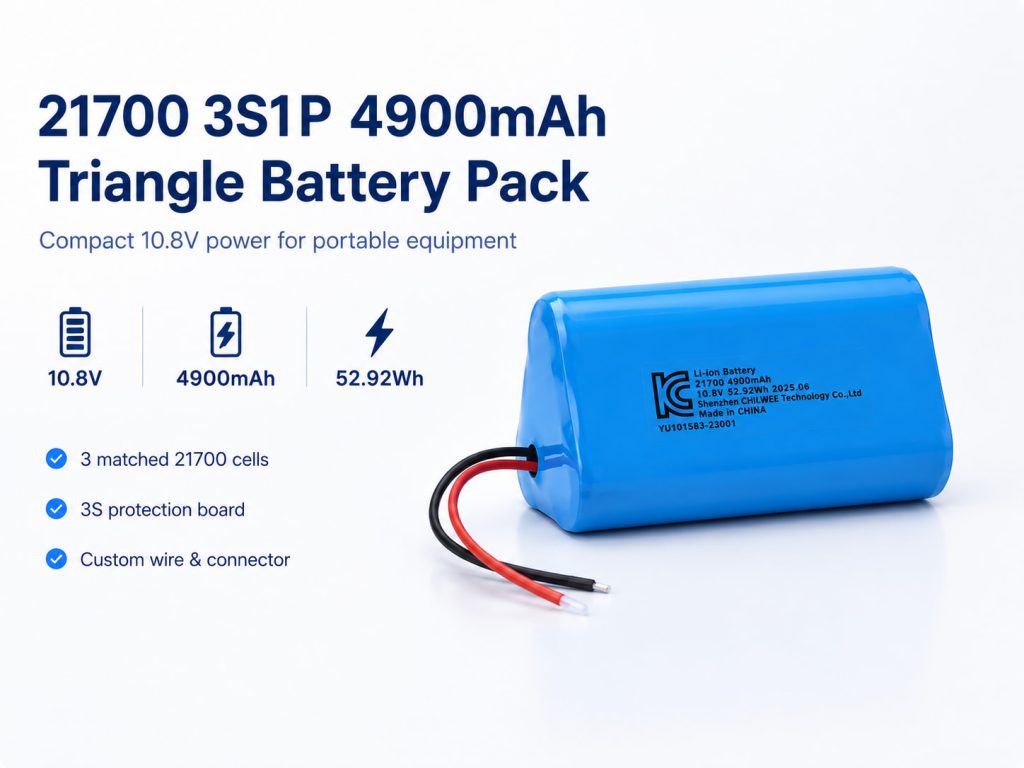
How Does the 3S1P Triangle Structure Work?
A 3S1P configuration contains three series-connected cells and one parallel group.
Series connection increases voltage:
- Cell 1: 3.6V and 4900mAh
- Cell 2: 3.6V and 4900mAh
- Cell 3: 3.6V and 4900mAh
- Complete pack: 10.8V and 4900mAh
Capacity remains at 4900mAh because the pack does not contain additional parallel groups. Nominal energy reaches 52.92Wh by combining the energy stored in all three cells. Before assembly, the cells should be matched by voltage, capacity, internal resistance and production batch. Proper cell matching supports more consistent current flow and reduces voltage imbalance during charging and discharging.
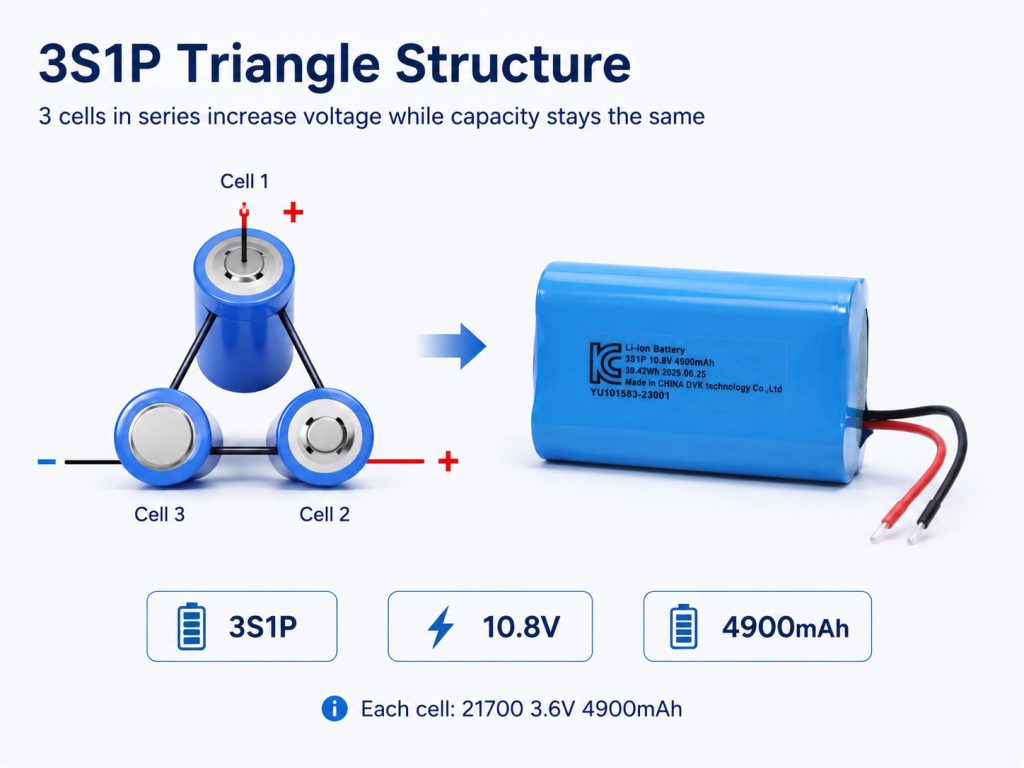
Compact Triangle Battery Arrangement
Three 21700 cells form a triangular cross-section rather than a wide, single-row structure. Approximate finished dimensions are 44 × 44 × 71mm, with an approximate pack weight of 225g. This arrangement suits battery compartments where width and thickness are similar. A flat 3S1P pack may fit better when the device provides a wider but thinner rectangular space.
Installation planning should account for:
- Maximum battery length
- Maximum width and thickness
- Protection-board position
- Wire outlet direction
- Connector location
- Insulation materials
- Fixing structure
- Manufacturing tolerances
A battery-compartment drawing or physical device sample helps confirm whether the triangular arrangement fits before prototype production.
Charging and Protection Requirements
Use a charger developed for a 3S lithium ion battery pack. A single-cell 4.2V charger cannot charge this 10.8V battery configuration correctly.
Recommended standard charging parameters include:
- Charge limit voltage: 12.6V
- Charging method: CC/CV
- Standard charge rate: 0.2C
- Standard charge current: Approximately 0.98A
- Estimated charging time: Approximately 5.5–6.5 hours
The final maximum charging current must match the selected cells, protection board, wires, connector and thermal conditions.
A suitable 3S PCM or BMS can provide:
- Overcharge protection
- Over-discharge protection
- Overcurrent protection
- Short-circuit protection
- Optional cell balancing
- Optional temperature monitoring
Continuous and peak discharge current must be confirmed from the actual equipment load. Capacity alone cannot determine whether the battery can support motors, pumps, transmitters or other components with startup surges.
Suitable Applications
This battery pack can be evaluated for equipment that requires 10.8V output and has a compact battery compartment.
Possible applications include:
- Portable monitoring equipment
- Handheld industrial terminals
- Inspection instruments
- Portable communication equipment
- Data collection devices
- Remote monitoring units
- Compact control equipment
- Portable diagnostic equipment
- Custom electronic devices
Buyers comparing a battery pack lithium ion solution should confirm voltage, continuous current, startup current, runtime, charging method, operating temperature and installation space before selecting a configuration. Medical and other regulated projects require additional battery-level and device-level validation before commercial use.
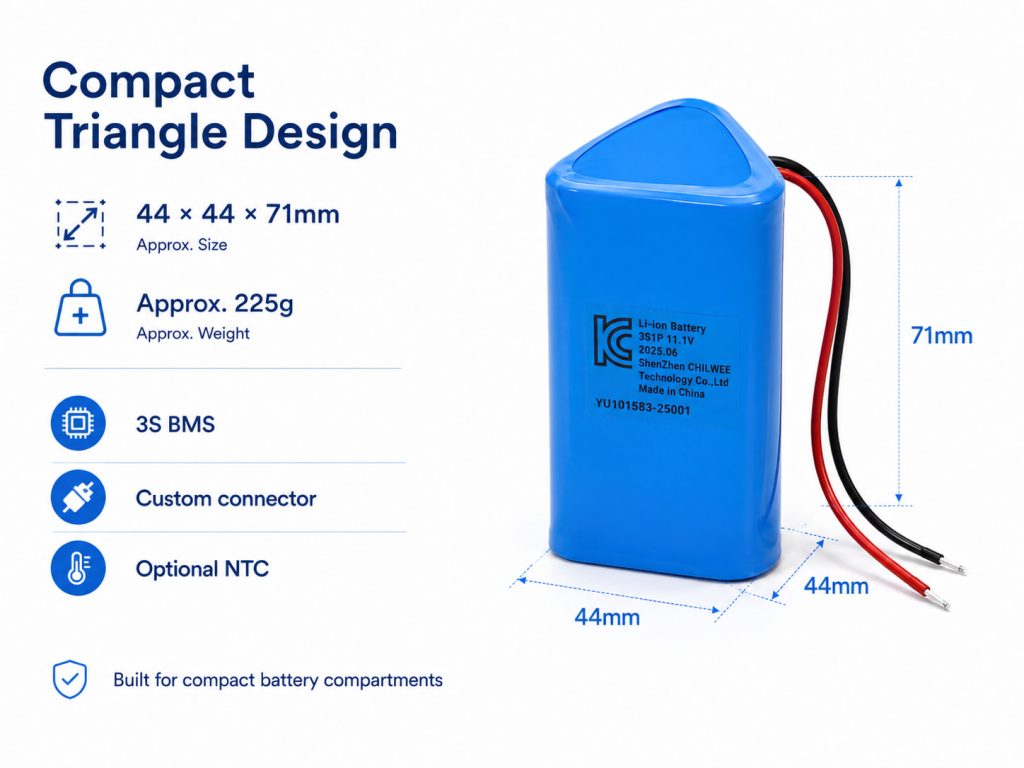
Custom Battery Pack Options
The standard structure can include three matched 21700 cells, a 3S protection board, nickel connections, insulation, wires, a connector and an outer protective sleeve.
Available customization options include:
- BMS continuous-current rating
- Overcurrent protection settings
- Cell-balancing function
- Wire gauge
- Wire length
- Connector model
- Connector pin definition
- NTC temperature sensor
- ID resistor
- Communication requirements
- Insulation materials
- Outer wrapping
- Battery label
- Wire outlet direction
- Packaging requirements
Changing the connector, wire, BMS, or outer structure may affect the finished dimensions and weight. Final specifications should be confirmed through a drawing and prototype.
-1-300x300.png)
Reviews
There are no reviews yet.