
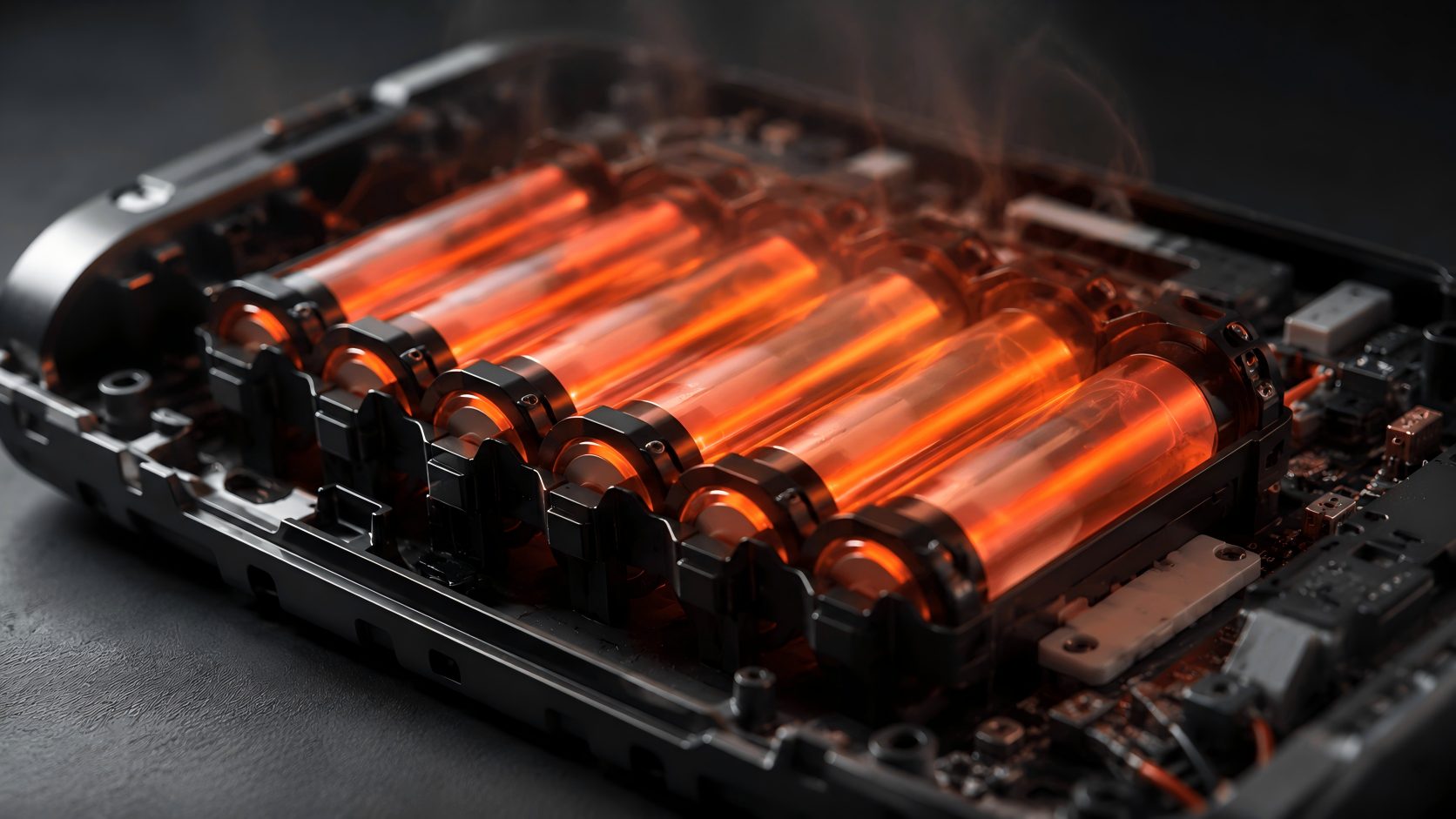
A lithium battery may feel warm during charging or heavy use, and mild warmth is not always a problem. But when the heat becomes excessive, persistent, or appears with other warning signs, it usually means something is wrong. Understanding why a lithium battery gets hot — and how to reduce heat safely — can help protect both the battery and the device.
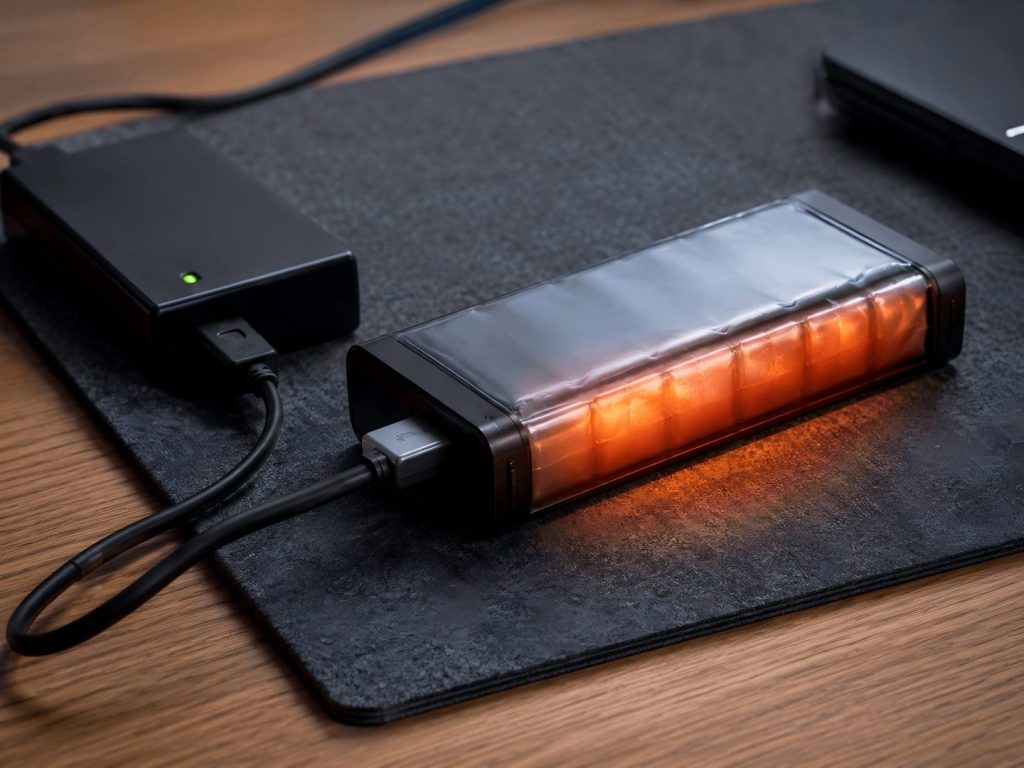
When Lithium Battery Heat Is Not Normal
Mild warmth during charging or high-load use is common. A lithium-ion battery produces some heat during normal electrochemical activity. That heat usually fades after the device stops working or the battery stops charging.
What is not normal:
- Heat that does not go away after use stops
- Lithium battery swelling or a visibly deformed battery case
- A burning, chemical, or unusual smell
- The device shutting down repeatedly
- Charging that stops unexpectedly
- The battery or device becoming too hot to touch
If any of these signs appear, treat them as a warning. Stop using the battery and avoid charging it again until the problem is checked.
Common Lithium Battery Overheating Causes
Most lithium battery overheating problems come from high current demand, wrong charging, poor ventilation, extreme temperature, aging, or physical damage. Different battery types, such as cylindrical batteries, polymer batteries, and button batteries, may show heat problems in different ways.
- High current demand from the device
- Wrong or mismatched charging
- Poor ventilation around the battery pack
- Exposure to high or low temperatures
- Battery aging and higher internal resistance
- Physical damage to the battery cell
- Long-term heavy-load operation
A lithium battery heat problem is not always caused by one single issue. In many cases, heat comes from a mix of load, charging behavior, device structure, and battery condition.
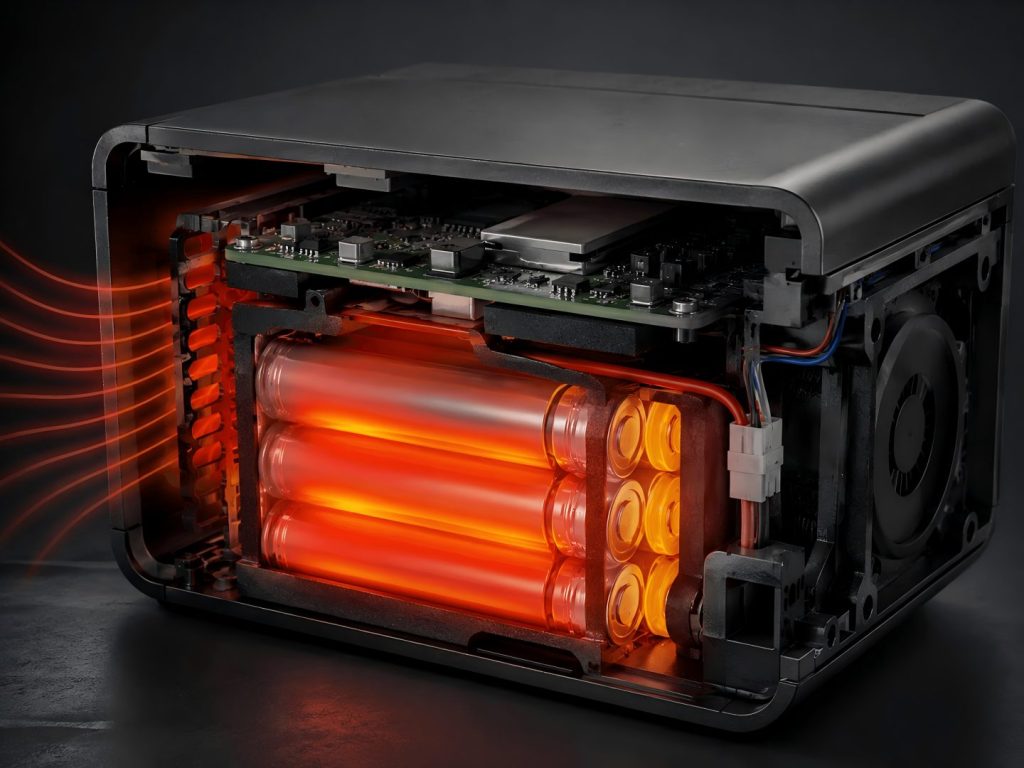
High Current Use Can Make a Lithium Battery Hot
When a device draws a large amount of current, the battery has to work harder. More current means more internal heat. This is why a lithium battery gets hot more easily during high-power operation.
Common examples include devices with motors, lighting systems, heating elements, wireless modules, pumps, fans, or continuous high-power output. If several functions run at the same time, the battery temperature may rise faster.
The key point is that lithium battery temperature depends on current demand, not only battery capacity. A larger battery pack can still become hot if the load is high or if the battery is not designed to support that level of discharge.
Wrong Charging Can Increase Lithium Battery Temperature
Lithium battery charging heat is another common issue. Charging creates heat naturally, but the temperature can rise too much when the charging method does not match the battery.
Possible causes include:
- A charger with the wrong voltage
- Charging current that is too high
- Damaged or poor-quality charging cables
- Dirty, loose, or corroded charging ports
- Charging while the device is under heavy load
- Charging in a hot or poorly ventilated place
The safer approach is to use a charger that matches the battery’s required voltage, current, and charging method. A mismatched charger may not only increase heat but also shorten battery life.
Poor Ventilation Makes Battery Heat Build Up
A battery pack needs space for heat to move away. If the battery is placed inside a sealed or tight enclosure, heat can build up quickly.
Poor ventilation may happen when:
- The device has little internal airflow
- The battery is close to a motor, light source, circuit board, or other heat source
- The device is used on soft surfaces that block airflow
- The battery is covered during operation
- The device runs for a long time without rest
- A pouch battery is squeezed too tightly inside the structure
Heat that cannot escape will continue to accumulate. Over time, this can speed up battery aging and increase the risk of overheating.
Aging Batteries Heat Up More Easily
Aging is another major reason a lithium-ion battery becomes hot. Every charge and discharge cycle slowly changes the internal chemistry of the battery cell. One result is higher battery internal resistance.
Internal resistance means the current faces more resistance as it moves through the battery. When resistance increases, more energy turns into heat instead of useful power.
An aging rechargeable battery may show these signs:
- Shorter runtime than before
- Faster power drop
- Slower charging
- Higher temperature during normal use
- Sudden shutdown under load
- Battery percentage changing quickly or unpredictably
If a lithium battery did not heat up before but now becomes hot during the same use, aging may be one of the reasons.
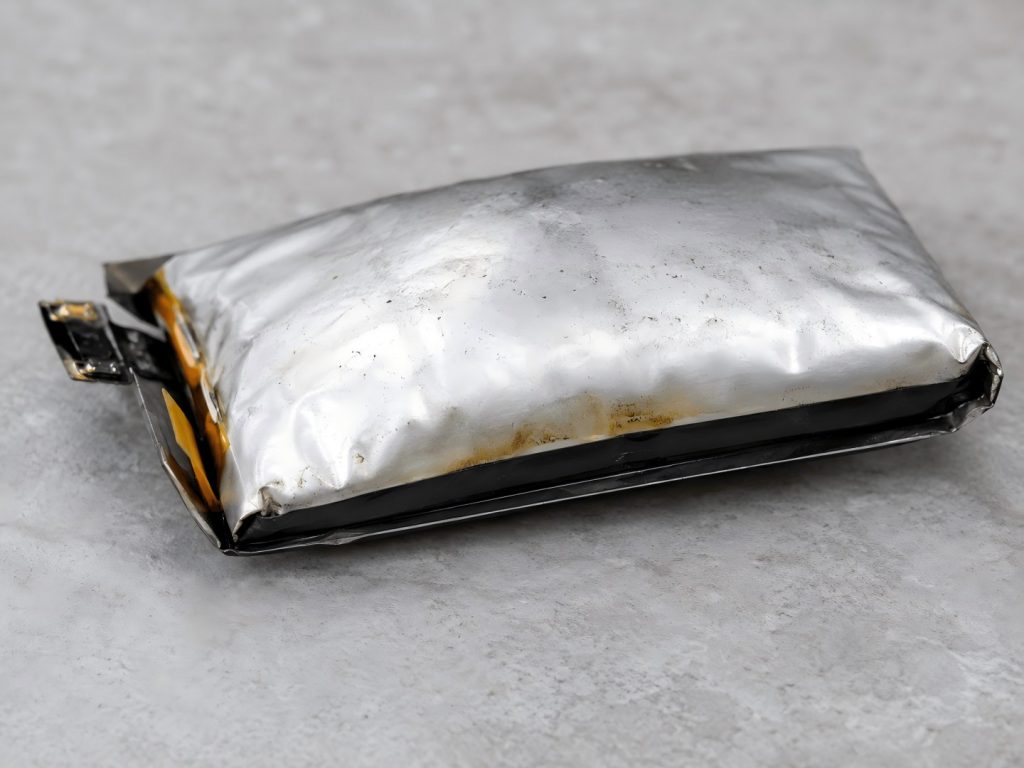
Warning Signs of Lithium Battery Damage
Some signs mean the battery may already be damaged. These should not be ignored.
Warning signs include:
- Lithium battery swelling
- Bulging or deformation of the battery case
- Strange smell
- Visible leaking
- Discoloration around the battery
- Persistent overheating
- Charging that cuts off repeatedly
- Repeated device shutdowns unrelated to software
A swollen, leaking, or strongly overheated Li-ion battery can be dangerous. Do not puncture, press, bend, or continue charging a battery with these signs.
How to Reduce Lithium Battery Heat
If the battery becomes hotter than usual, start by reducing stress on the battery and improving the surrounding conditions.
Useful steps include:
- Use a charger with the correct voltage and current
- Avoid charging in hot environments
- Do not charge while running heavy-load functions
- Lower the device power mode when possible
- Keep the device ventilated
- Use the device on a hard, flat surface
- Avoid covering the device while it is working
- Keep the battery away from direct heat sources
- Do not squeeze, bend, or puncture the battery
- Replace aging or damaged batteries in time
If the heat continues even after these changes, stop using the battery. Persistent heat may point to internal damage, aging, or a mismatch between the battery and the device load.
How to Prevent Lithium Battery Overheating
Daily habits can reduce many lithium battery safety risks.
Helpful battery safety tips include:
- Charge at room temperature
- Avoid charging under direct sunlight
- Do not leave batteries in hot cars
- Avoid long periods of full-load operation
- Keep devices and battery packs well ventilated
- Unplug after charging when appropriate
- Store spare batteries in a cool, dry place
- Do not use visibly swollen batteries
- Do not use batteries with damaged cases or exposed wiring
These habits help reduce heat stress and slow down battery aging. For more general lithium-ion battery safety tips, users can also refer to safety guidance from recognized testing and safety organizations.
Safer Daily Use of Lithium Batteries
Lithium battery overheating is usually caused by high current demand, wrong charging, poor ventilation, extreme temperature, aging, or physical damage. Mild warmth during charging or normal operation can be acceptable, but persistent heat should not be ignored.
Swelling, strange smells, case deformation, leaking, or repeated shutdowns are warning signs. In those situations, the safest response is to stop using the battery.
Careful charging, good ventilation, lower heat exposure, and timely replacement of aging batteries can reduce many common lithium battery heat problems.