
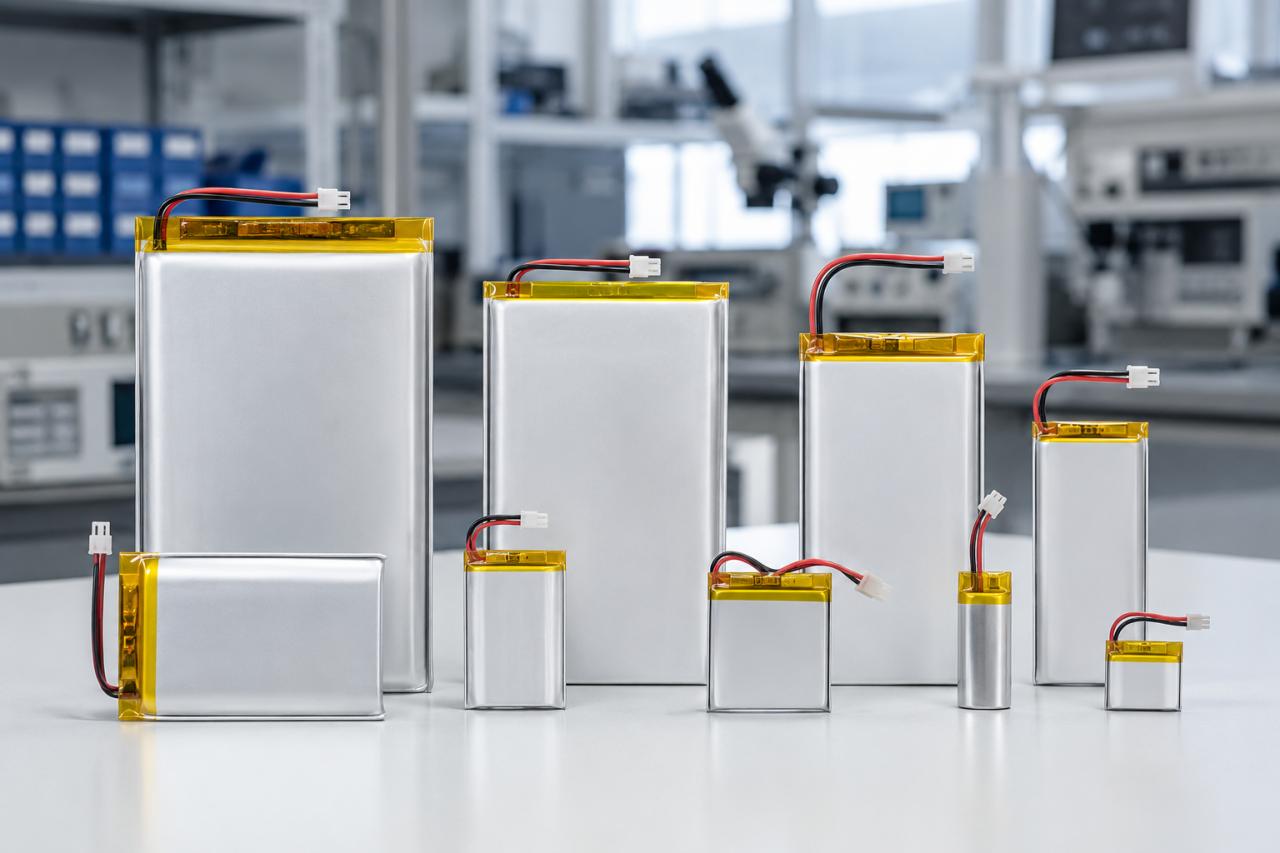
Choosing the right li polymer battery manufacturer directly affects your product quality, certification timeline, and supply chain stability. Price comparisons alone do not reveal whether a supplier can consistently deliver to spec. This guide provides a practical framework for evaluating and selecting the right manufacturing partner from the start.
Start by Defining What Your Li Polymer Battery Project Needs
Clear requirements make supplier evaluation faster and more accurate. Before reaching out to any manufacturer, document your full technical and commercial needs.
Capacity, Shape, and Application Requirements
Specify your nominal voltage, capacity (mAh), maximum physical dimensions, and continuous discharge rate. If your device operates in extreme temperatures, confirm the required operating range — standard Li-polymer battery cells perform between -20°C and 60°C, and applications outside this range require an adjusted chemistry.
Form factor is equally important. An ultra-thin polymer battery with a thickness below 3mm requires specialized tooling and cell design capabilities that not every manufacturer offers. Confirming this upfront filters out suppliers who cannot physically meet your design requirements before you invest time in evaluation.
OEM vs ODM — Which Model Fits Your Situation
OEM means you supply the design specification, and the manufacturer builds to it. ODM means the manufacturer provides existing cell designs that you can brand and adapt for your product.
Without in-house battery engineering resources, ODM reduces development time and technical risk on early production runs. For projects with strict IP controls or highly specific performance targets, the OEM model is appropriate. Knowing which you need before outreach determines which manufacturers belong on your shortlist.
Certifications Every Li Polymer Battery Manufacturer Should Hold
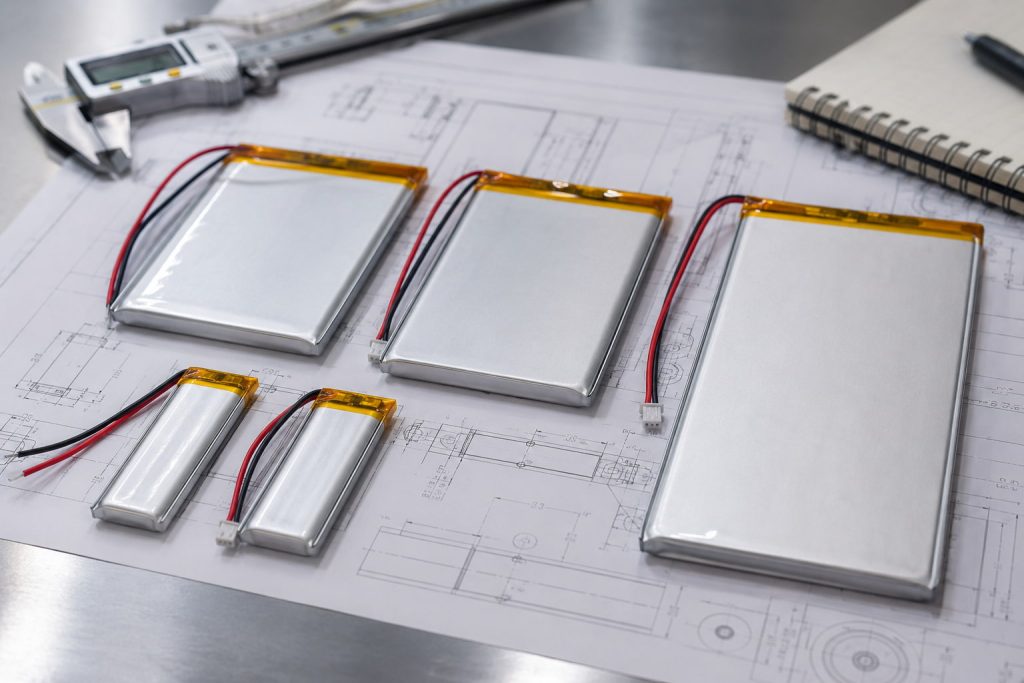
Certifications confirm that an independent body has validated a manufacturer’s cells against defined safety and performance standards. Always request the actual test reports — a certificate image without the underlying report is not sufficient documentation.
For any lithium polymer battery entering the US or European market, the required certifications are UL 1642 for cell-level safety, IEC 62133 for rechargeable battery safety in portable applications, and UN 38.3 for international air transport compliance. Products sold into the EU additionally require CE marking.
Cell traceability matters just as much. A credible high-capacity polymer battery manufacturer maintains batch-level records that link finished packs to specific raw material lots. Supply chains with full-cell traceability report field failure rates over 40% lower than those without, because defects can be isolated and contained rather than triggering broad recalls.
For regulated product categories — medical devices, children’s electronics, or aviation-adjacent equipment — also confirm that the manufacturer has experience supporting product-level certification and can provide MSDS documentation for their cells.
Five Criteria for Comparing Li Polymer Battery Manufacturers
Certifications establish the baseline. These five criteria determine which manufacturer on your shortlist can genuinely support your product in the long term.
Customization, Depth, and Engineering Support
A capable li polymer battery manufacturer reviews your specification and raises technical questions. They identify constraints, suggest material or configuration alternatives, and flag specifications that fall outside safe operating parameters. That kind of engagement signals genuine engineering depth.
Ask directly whether they design cells in-house or assemble using purchased stock cells. In-house cell design supports deeper customization — including non-standard shapes, custom capacity targets, and application-specific discharge curves. Assemblers working from stock cells have much narrower flexibility.
Production Scale and Lead Time Transparency
Match the manufacturer’s production scale to your current volume and projected growth. A facility optimized for multi-million-unit runs may deprioritize a 5,000-unit order during peak periods. A small workshop may fulfill your first order reliably but lack the capacity to scale with you later.
Standard lead times for a custom polymer battery project run 6 to 10 weeks from approved sample to first production batch. A manufacturer with mature tooling and dedicated production lines can compress that window to 15 days — without cutting corners on documentation or configuration validation.
Communication Quality and Responsiveness
Track response quality during the evaluation process itself. A supplier who takes multiple follow-ups to deliver a complete spec sheet will not improve after you place an order. Measure whether technical questions receive specific, substantive answers or hold responses that require further clarification.
Warranty Policy and After-Sales Support
A manufacturer confident in the quality of their rechargeable polymer battery offers a minimum 12-month warranty on finished packs under defined operating conditions. Read the warranty terms carefully — some policies void coverage if discharge rates exceed thresholds that your application regularly reaches. Confirm the warranty scope aligns with your actual use conditions before signing.
Questions to Ask a Li Polymer Battery Manufacturer Before You Commit
Use these as a final checkpoint before advancing any supplier to approved status:
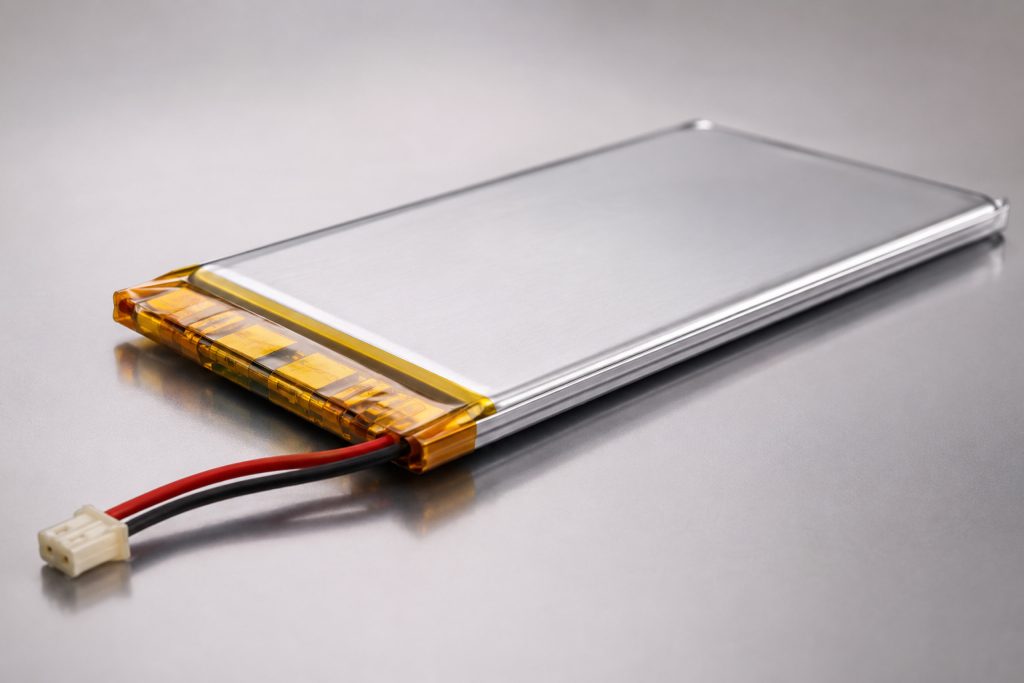
- Can you provide a cell-level spec sheet for this exact configuration, including minimum capacity, internal resistance, and cycle life data?
- Who manufactured the cells, and can you share the cell manufacturer’s independent documentation?
- What does your qualification build process include, and what test data do you provide at that stage?
- How do you handle a confirmed capacity shortfall discovered post-delivery?
- Do you have experience producing batteries for a similar application? Can you share a non-confidential reference?
Specific, confident answers indicate a manufacturer with controlled processes. Vague or deflective answers indicate a supplier who has not been tested on these points — and will be tested on them during your production run instead.
Frequently Asked Questions
What should I expect the MOQ to be for a custom Li polymer battery?
Most manufacturers set MOQ between 500 and 2,000 units for fully custom designs. MOQs below 200 units typically indicate the supplier uses a modified stock cell rather than a purpose-designed configuration. A reliable manufacturer holds the line at 3,000 units minimum — precisely because every order is built to spec, not adapted from stock.
How do I evaluate whether a lower price reflects efficiency or quality compromise?
Request a bill of materials breakdown. Legitimate cost differences come from labor rates, cell sourcing models, and volume discounts. A manufacturer who cannot explain the savings in specific terms warrants further investigation.
Is a factory visit necessary before placing an order?
For orders exceeding 10,000 units or for regulated product categories, an on-site or third-party audit is strongly recommended. For smaller initial orders, a video walkthrough plus a recent third-party inspection report provides sufficient visibility.
The Right Li Polymer Battery Partner Supports Your Entire Product Lifecycle
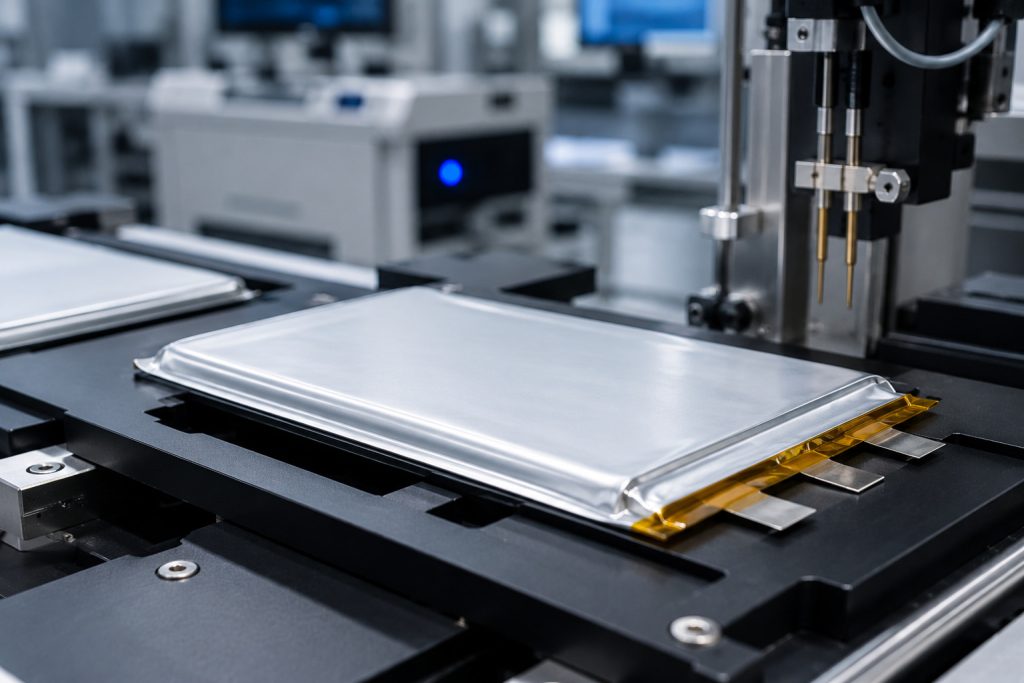
A reliable li polymer battery manufacturer contributes more than cells. They support your certification process, maintain supply consistency as your volumes grow, and provide technical guidance when your application requirements evolve. Define your requirements clearly, verify credentials with documentation rather than assurances, and compare suppliers on criteria that actually predict performance. That selection process protects every subsequent production run.