
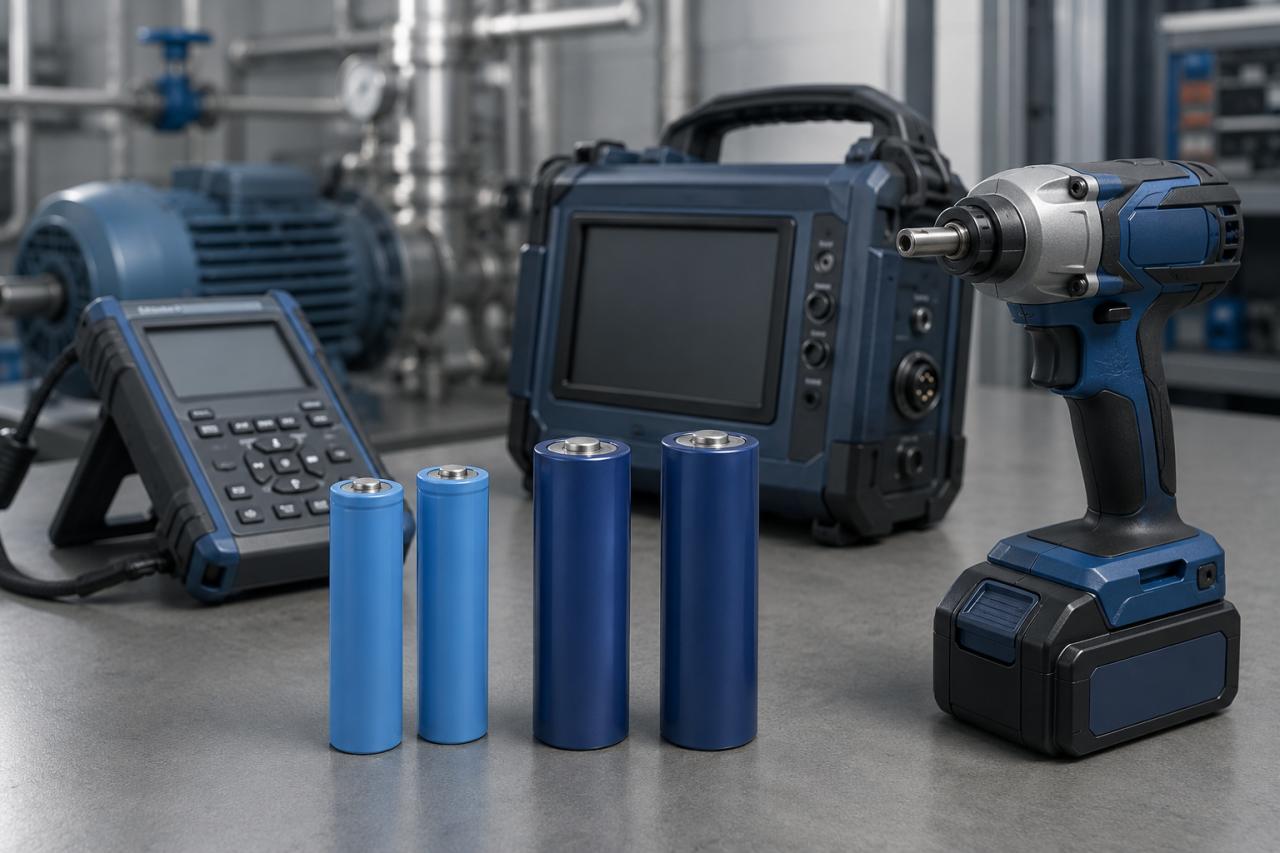
Industrial equipment needs more than a battery with a good number on the label. It needs a power source that can handle long working hours, startup loads, vibration, limited space, and stable production demand. When buyers choose a cylindrical battery for industrial equipment, they need to check whether the battery matches the device’s real working conditions. Capacity matters, but it should not lead the whole decision. Voltage, current, runtime, structure, and protection design all affect whether the battery works safely in the final product.
What Power Problems Do Industrial Equipment Batteries Need to Solve?
Industrial equipment often works harder than consumer devices. A monitoring device may run for hours with low current. A motor-driven tool may draw high current during startup. Portable industrial machines may need both long runtime and strong output. Battery structure also affects the final design. Space, weight, wiring, connectors, heat, and vibration can all change the battery pack layout. A battery may meet the capacity target but still fail if it cannot handle peak current or fit inside the housing. Buyers should start with the equipment, not the cell model. Load pattern, working time, available space, and operating environment should guide the selection.
Why Choose a Cylindrical Battery for Industrial Equipment?
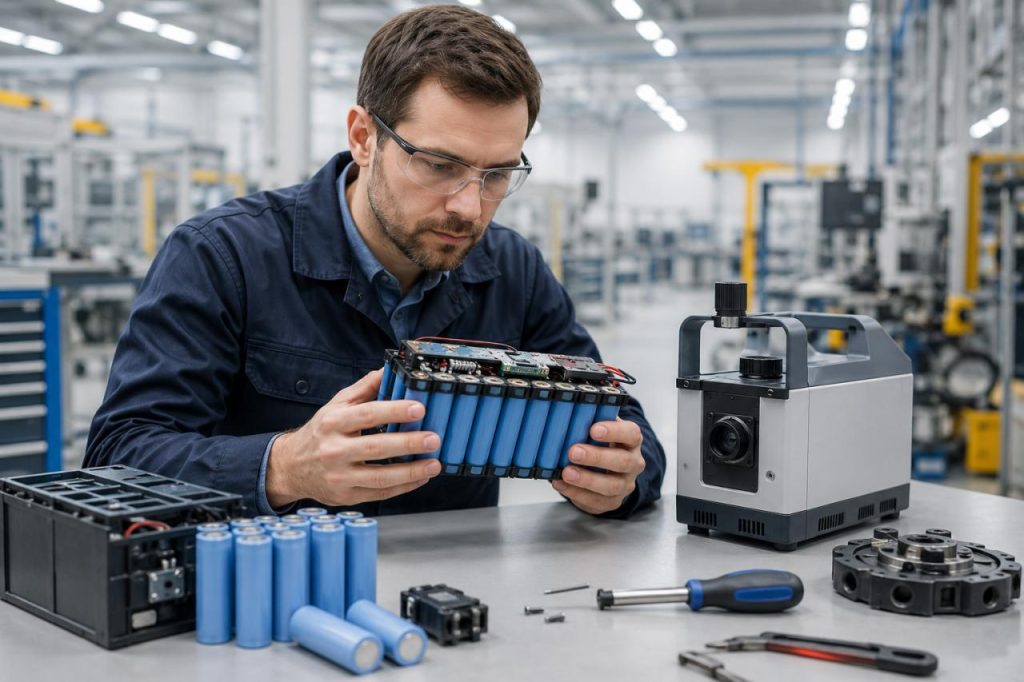
A cylindrical battery gives industrial equipment a practical balance of performance, structure, supply, and cost. Common formats such as 18650 and 21700 have mature supply chains, making them easier for manufacturers to use in product development and long-term production. Cylindrical lithium battery cells also support flexible pack design. Manufacturers can connect cells in series to increase voltage or in parallel to increase capacity. This makes a cylindrical battery pack useful for handheld tools, test instruments, monitoring devices, portable machines, backup systems, and other industrial products.
The cell structure also helps in demanding environments. Cylindrical cells handle certain mechanical stresses better than many thin soft-pack formats. For equipment that faces movement, vibration, or frequent handling, this structure can support more stable operation when the pack design matches the device.
How Should You Match the Battery to the Equipment Load?
The load profile should come before the battery model. Some devices need a steady output for long periods. Others need short bursts of higher current during startup or operation. These patterns directly affect battery selection. A poor match can cause shutdowns, voltage drops, heat buildup, or faster aging. Buyers should compare continuous current, peak current, runtime, and charging frequency before confirming the pack.
Continuous Working Current
Continuous working current shows how much power the equipment needs during normal operation. Sensors, test instruments, data loggers, and monitoring systems may not need high current, but they still need stable output over long working periods. For these applications, the battery should maintain consistent discharge performance throughout the expected runtime. Unstable output can affect device accuracy, communication, or working status.
Peak Current During Startup
Motors, pumps, wireless modules, and power tools often draw more current during startup than during normal use. This short peak can quickly reveal a weak battery choice. If the battery cannot support peak load, the device may restart, trigger protection, or stop under pressure. Buyers should confirm both normal current and startup current before choosing the battery.
Runtime Per Charge
Runtime depends on more than rated capacity. High-capacity cells may still perform poorly if the device draws heavy current or works in harsh conditions. Temperature, duty cycle, load changes, and battery aging can all reduce actual working time. A better calculation should use real working current and expected usage patterns. The capacity printed on the cell gives a starting point, not the final answer.
Which Cylindrical Battery Size Fits Industrial Equipment Better?
Cell size affects capacity, output, weight, internal layout, and pack structure. Buyers should choose the size based on the product’s design and power requirements, not just because one model looks more common. A 18650 cylindrical battery works well for compact devices. It has a mature supply chain, balanced size, and wa wide range of applications. Portable instruments, small monitoring devices, handheld equipment, and products with limited internal space often use this format.
A 21700 cylindrical battery usually offers higher capacity and stronger output potential. Equipment that needs longer runtime or higher discharge performance may benefit from this size. However, the larger cell requires sufficient space within the product. Forcing it into a tight battery compartment can create heat, assembly, and safety problems. The goal is not to choose the biggest cell. A good battery size should fit the equipment safely, support stable performance, and leave enough room for wiring, protection boards, and heat control.
When Does Industrial Equipment Need a Custom Cylindrical Battery Pack?
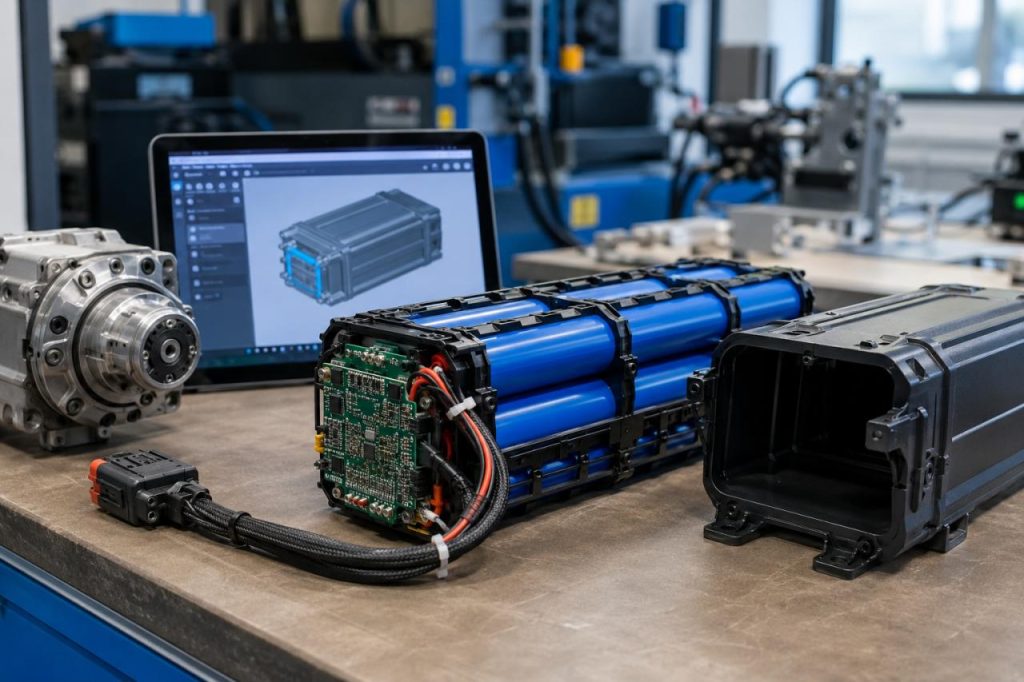
Many industrial products cannot use a standard battery directly. They may need a fixed voltage, a special connector, a specific wire length, protective housing, or a specific installation method. In these cases, a custom cylindrical battery usually works better than loose cells or a generic pack. A custom pack helps match the battery to the equipment’s electrical and mechanical requirements. It also gives buyers more control over safety, assembly, and production consistency.
Manufacturers can design the pack around voltage, capacity, connector type, wiring direction, housing shape, and protection needs. Protection may include overcharge, over-discharge, overcurrent, short circuit, and abnormal temperature control. Safety design matters in industrial equipment because batteries may work near motors, metal housings, outdoor tools, or high-frequency operating cycles. General lithium-ion battery safety risks often include overcharging, short-circuiting, mechanical damage, and overheating, so buyers should not treat protection as optional.
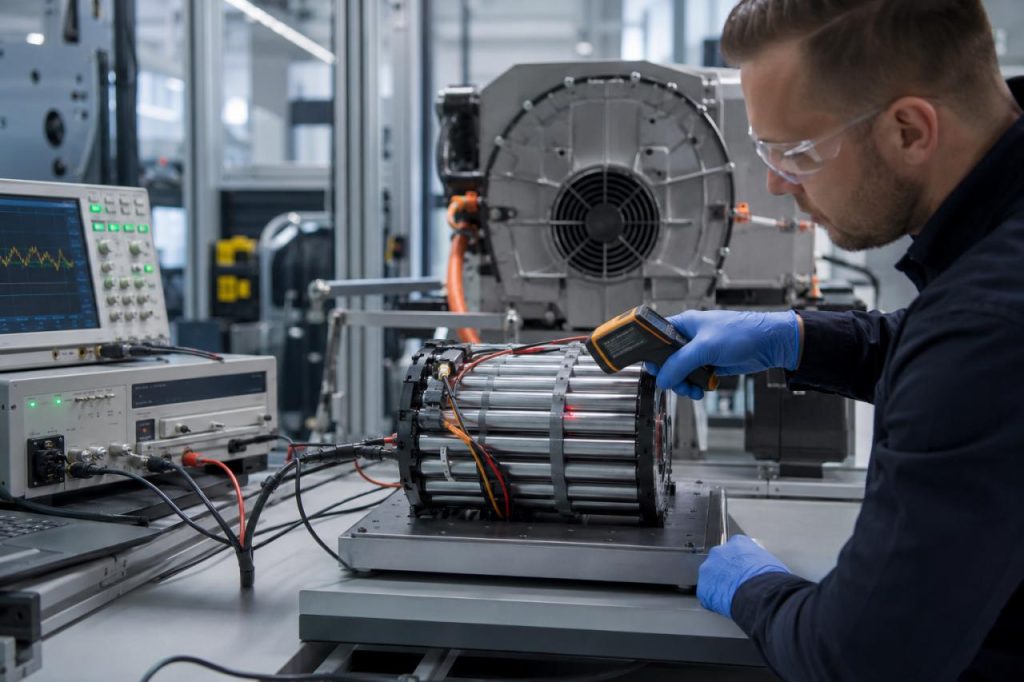
Before mass production, buyers should test samples under real working conditions. Sample testing should check startup performance, runtime, charging behavior, temperature rise, connector stability, and fit inside the equipment.
What Should Buyers Confirm Before Ordering?
Before ordering a cylindrical battery for industrial equipment, buyers should prepare clear technical information. This helps the manufacturer recommend the right cell and pack structure rather than guessing based on a simple capacity request. The main details include equipment voltage, continuous working current, peak current, target runtime, battery compartment size, operating temperature, charging method, connector type, protection requirements, and expected order quantity.
For projects that need a specific pack design, buyers can discuss a custom cylindrical battery pack with the manufacturer before sample development.
Selecting the Right Cylindrical Batteries for Industrial Equipment
To choose a cylindrical battery for industrial equipment, start with the equipment load. Confirm the voltage, continuous current, peak current, runtime target, working environment, and available space. These details should decide the battery type.
For compact equipment with moderate power demand, a 18650 cylindrical battery may offer a good balance of size and supply stability. For equipment that needs longer runtime or stronger output, a 21700 cylindrical battery may work better. For devices with special voltages, connector housings, protection circuits or installation structures, a custom cylindrical battery pack is usually the safer choice. The right battery is not simply the one with the highest capacity. It should match the equipment’s actual operating conditions, support safe operation, and remain consistent throughout production.