
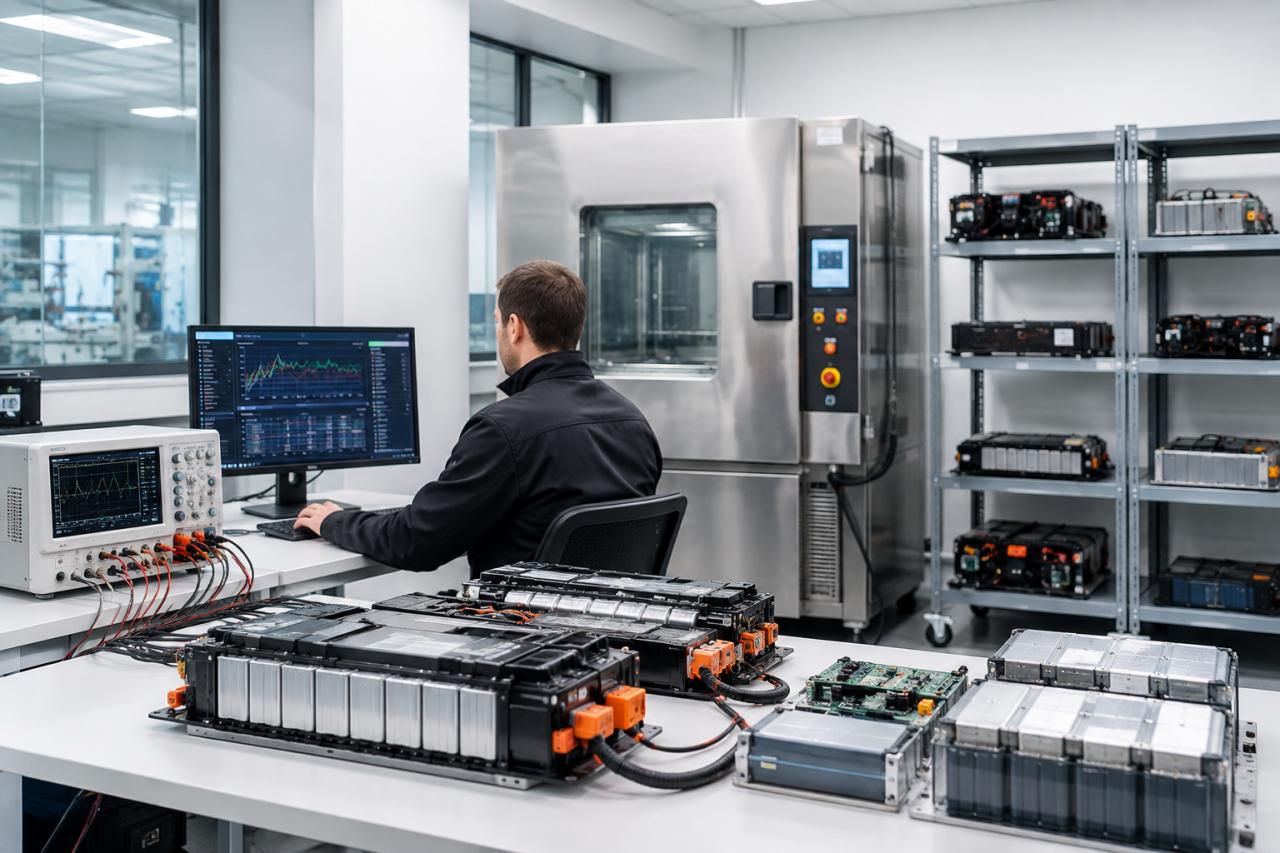
A custom battery manufacturer audit must go beyond equipment and capacity because a factory tour does not prove that the supplier can convert a device requirement into a controlled production battery. Buyers need evidence that links engineering decisions, approved samples, process controls, inspection records, traceability, and change management.
The Audit Decision for a custom battery manufacturer audit
OEM buyers should check how the factory converts requirements into controlled drawings, approves samples, manages incoming cells and electronics, controls welding and testing, traces lots, handles failures, protects documents, and approves production changes. The audit should follow one real order from customer specification to shipment instead of relying on a general factory tour. The checklist below gives procurement, engineering, and quality teams specific evidence to request.
Audit Engineering Capability before Capacity for battery factory audit
Begin with the information the manufacturer requests before quoting. A capable team should ask about the load profile, voltage window, available space, temperature range, charging method, connector, target life, operating environment, destination markets, and expected volume.
Review how engineers turn those inputs into cell selection, series and parallel architecture, protection settings, mechanical drawings, test plans, and compliance requirements. Ask to see controlled examples with confidential customer details removed.
The engineering review should define responsibility for the battery, charger, host device, communications, and thermal limits. It should also identify unresolved assumptions. A quotation created before these boundaries are clear may omit work that returns later as a sample failure or change charge.
The Battery Pack Design Services workflow should connect the application brief to measurable pack requirements rather than select a catalogue configuration from capacity alone.
Check Whether Documents Control the Build for OEM battery manufacturer
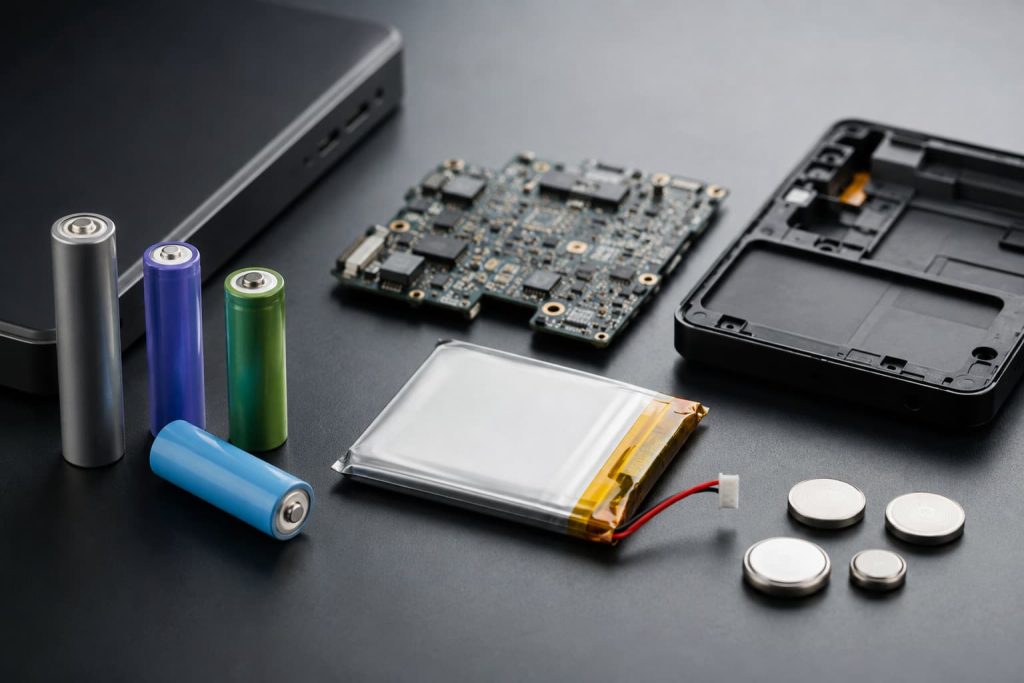
Select one sample or recent production order and trace its document set. Verify that the purchase order, specification, drawing, bill of materials, work instruction, inspection plan, programmed settings, label artwork, and packaging instruction use compatible revision numbers.
Ask how the factory prevents an obsolete drawing from reaching production. Review document approval, release permissions, revision history, line-side access, and withdrawal of superseded copies. Confirm that deviations state the affected lot, technical risk, owner, expiry, and customer approval.
The drawing should control finished dimensions, wire length, connector and pinout, polarity, protection-board position, insulation, labels, and measurement methods. Notes such as “approximately” or “as required” should not replace limits for characteristics that affect the device.
Follow the Production Process for battery supplier audit
Walk the actual material and product flow. Depending on the design, controls may cover incoming cells, sorting, welding, interconnects, protection boards, firmware programming, insulation, enclosure assembly, labelling, ageing, final testing, and packaging.
At each step, ask five questions:
- What characteristic is controlled?
- What limit or approved reference applies?
- What equipment or fixture measures it?
- What record proves the result?
- What happens when the result fails?
Review equipment calibration and maintenance status. For welding, check parameter control, electrode maintenance, destructive or pull testing, visual criteria, and reaction rules. For electrical testing, verify the method, fixture, software version, limits, data retention, and handling of retests.
An OEM battery production process should preserve the relationship between the approved pack and the later production lots.
Verify Incoming-Material Controls for custom battery pack manufacturer
Critical components may include cells, protection ICs, MOSFETs, PCBs, connectors, wires, insulation, adhesives, housings, and labels. Review approved suppliers, incoming specifications, inspection methods, sampling plans, storage conditions, shelf-life controls, and lot identification.
Ask how the factory handles a material shortage. The answer should include an approval route for substitutions. An unapproved cell or protection component can change voltage drop, thermal behaviour, protection response, cycle life, documentation coverage, and pack dimensions.
Check whether cell lots are mixed during assembly and how matching is controlled. For multi-cell packs, voltage, capacity, and resistance windows may affect current sharing and long-term balance.
Test Traceability in Both Directions for custom battery manufacturer audit
Choose a finished pack and ask the factory to identify its cell lot, electronics revision, programmed settings, assembly date, line, inspection records, operators or equipment, and shipment. Then choose a critical incoming lot and identify every finished lot that used it.
The exercise should work without rebuilding the history from personal messages. Records need defined retention periods, access controls, and backups. Labels should remain readable through manufacturing, storage, shipment, and the agreed service period.
Review how the supplier contains a suspected lot. The process should identify affected stock, work in progress, shipments, customers, and retained samples. It should also define investigation, disposition, corrective action, and release authority.
Review Sample and Validation Discipline for battery factory audit
Early samples often use hand assembly or substitute parts. Require each sample to state its configuration and limitations. The final approval sample should represent the intended cell, electronics, mechanical parts, process, and manufacturing location.
Use a shared validation plan covering fit, polarity, capacity under defined conditions, pulse response, device cutoff, runtime, charging, thermal behaviour, protection functions, connector handling, vibration or shock where relevant, and environmental limits.
The UN lithium battery test requirements provide a recognised transport testing framework for lithium cells and batteries. Buyers should confirm that reports and test summaries match the offered model, configuration, manufacturer, and production site, and should verify current transport requirements with qualified specialists.
Evaluate Change Control and Launch Readiness for OEM battery manufacturer
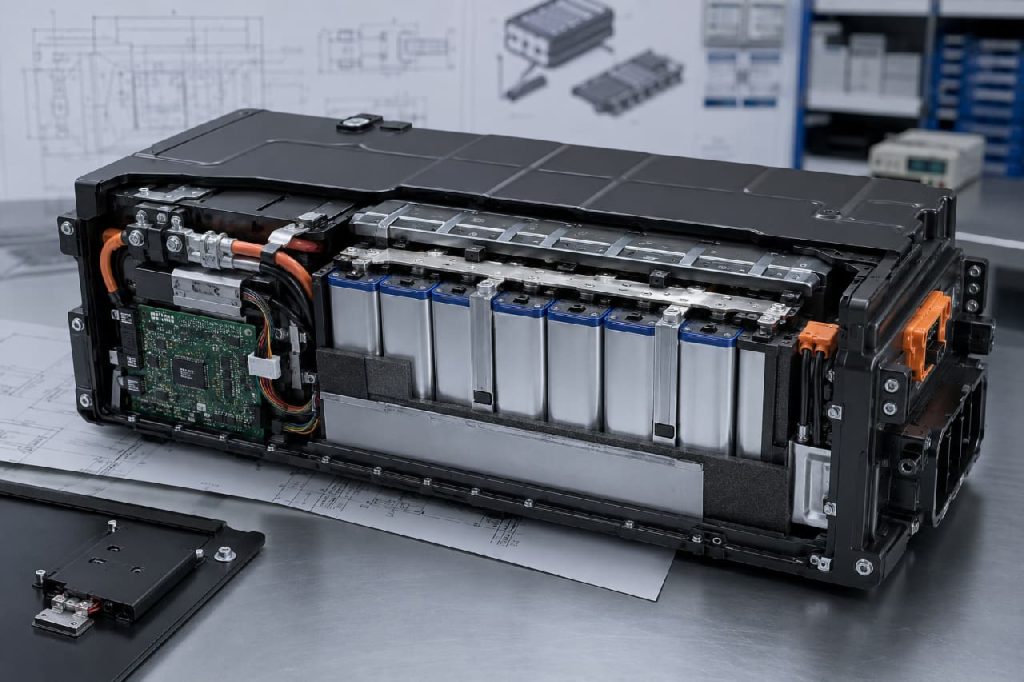
Ask which changes require customer notification. The list should cover the cell source, material system, protection components, firmware, PCB, interconnect, connector, insulation, housing, process, inspection method, equipment, and site.
Review a completed change example. It should show the reason, affected products, risk assessment, sample or validation evidence, document updates, approval, effective date, and traceability of the first changed lot.
Before launch, confirm capacity using the intended process, test time, yield assumptions, maintenance schedule, staffing, and critical-material lead times. A nameplate machine rate is not the same as demonstrated output of conforming product.
Approve Evidence, Not Promises for battery supplier audit
Use mandatory pass/fail gates for technical fit, safety and transport evidence, traceability, and change control. Compare commercial terms only after suppliers quote the same configuration, inspection scope, documents, packaging, and acceptance plan.
Send Zenilove the device specification, load profile, available space, environment, charging method, target markets, sample stage, and forecast volume to request a manufacturing-feasibility review through its Custom Battery Pack capabilities.
Procurement and Quality Questions
What is the most important evidence in a battery factory audit?
The strongest evidence connects an incoming material lot to production records, inspection results, finished packs, shipment records, and retained samples. Buyers should test whether traceability works in both directions.
Should buyers audit engineering or production capacity first?
Review engineering and process-control capability before relying on headline capacity. A factory must show that it can define, validate, document, and repeatedly build the exact configuration the buyer requires.
Which battery supplier changes should require customer approval?
At minimum, the agreement should control changes to cells, protection components, firmware, PCB layout, interconnects, insulation, connectors, critical processes, inspection methods, and the production site.
What should an OEM send Zenilove before a feasibility review?
Send the device specification, load profile, pack envelope, temperature range, charger details, target markets, validation stage, forecast volume, and any mandatory supplier-audit requirements.