
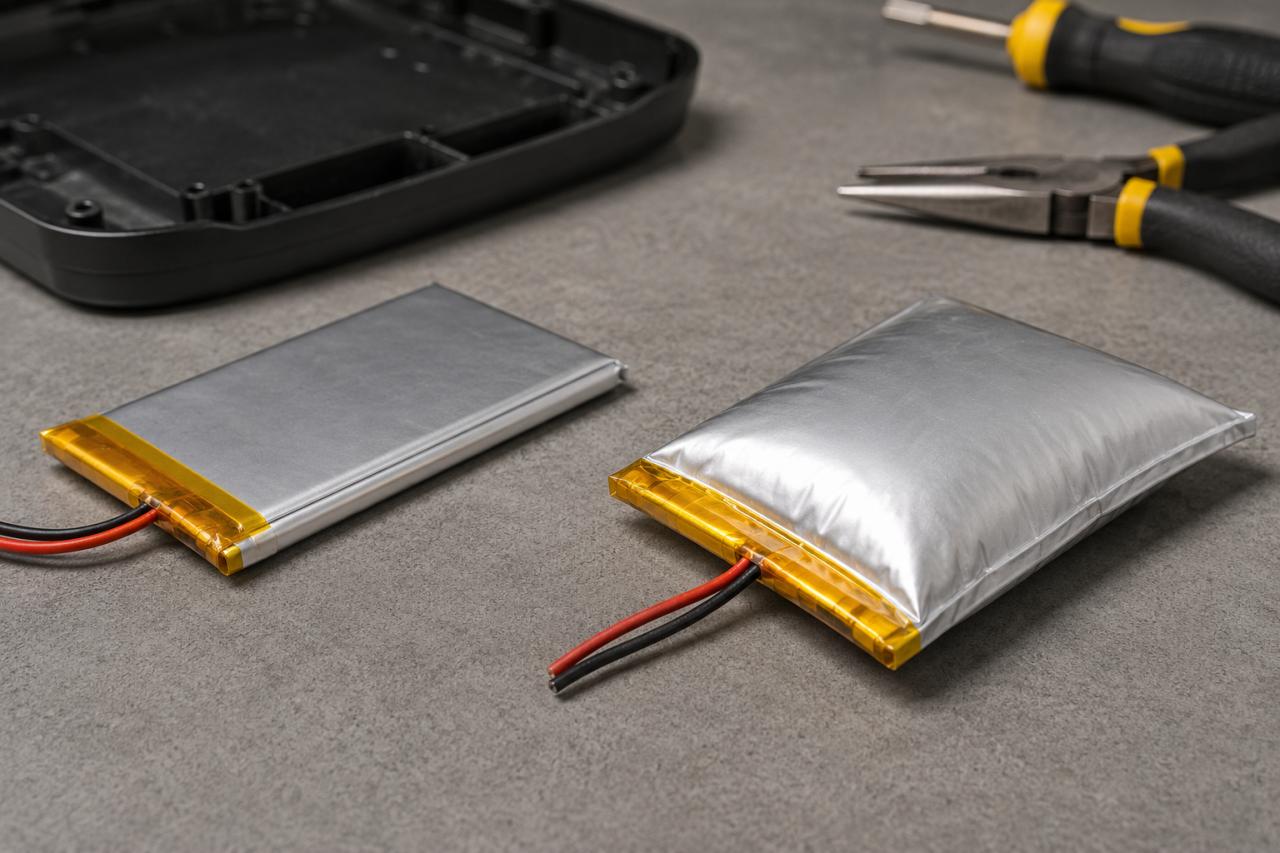
Heat isn’t automatically a warning sign. A lithium ion polymer battery runs warm under real loads. That warmth alone doesn’t mean the cell is failing. The outcome depends on one thing: whether engineers designed the pack’s internal protections for that heat from the start.
A Lithium Ion Polymer Battery Heats Up in a Specific Way
Inside a lithium ion polymer battery, ions travel between the anode and cathode through a gel or solid polymer electrolyte. That’s different from the free-flowing liquid used in other cell types. That movement creates resistance, and resistance creates heat. Every lithium cell generates heat during charge and discharge — that part isn’t unusual.
The heat itself isn’t unusual. What changes is where it sits — inside a flexible aluminum-laminate pouch instead of a rigid steel can. A cylindrical cell vents through a fixed valve under pressure. A polymer cell doesn’t have that valve built into a metal shell. The pack design has to carry more of that responsibility from the start. Zenilove builds its polymer battery product line around managing that heat at the cell level. Protection isn’t an afterthought.
Heat Does Not Always Mean a Lithium Ion Polymer Battery Is Failing
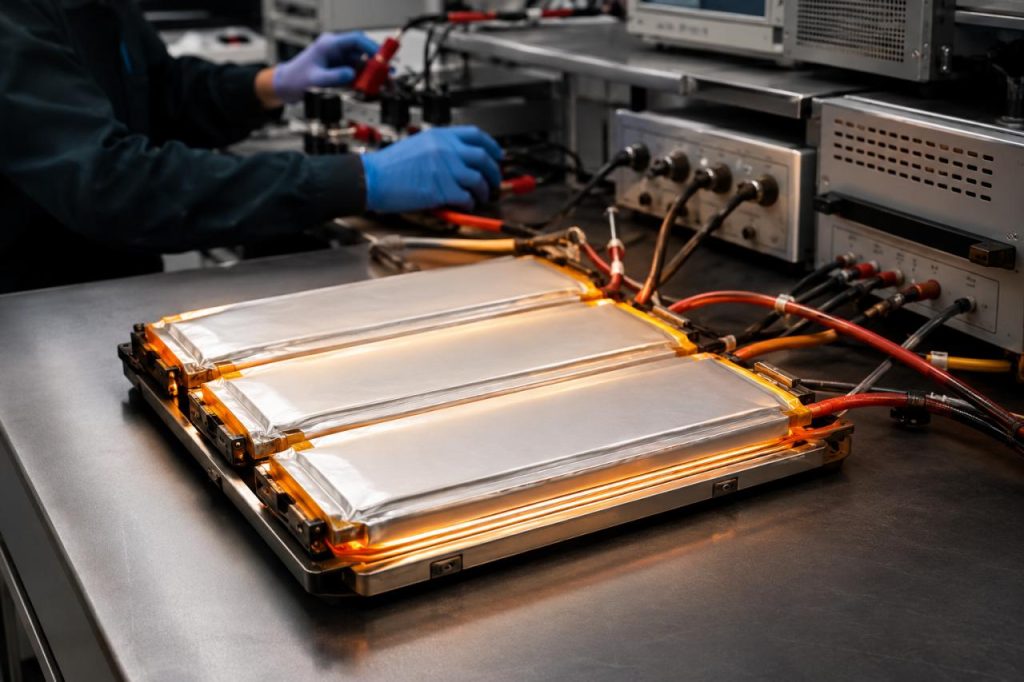
A surface temperature of 40–50°C during fast charging or heavy discharge is normal for most packs. That’s expected, not a defect. Thermal runaway starts at a different point entirely. A physical breach, an internal short, or sustained overcharging past the cell’s rated ceiling usually triggers it.
The difference between the two comes down to whether heat remains contained or feeds on itself. A well-designed pack withstands years of normal thermal cycling without issue. One with weak protection circuitry or inconsistent cell matching can cross from warm to unstable faster than the datasheet suggests. That gap is where most field problems actually start.
What Keeps a Lithium Ion Polymer Battery Pack From Failing
Three design elements decide whether a pack handles heat well or breaks down under it. None of them show up on a basic spec sheet. All three separate a reliable pack from one that fails early.
The Pouch Releases Gas Instead of Building Pressure
Internal pressure builds inside a polymer cell as it heats up. The aluminum-laminate pouch swells and vents gas instead of holding that pressure until something gives. That’s a meaningful difference from a rigid metal can. A metal can may rupture more abruptly once internal pressure exceeds what the casing can handle. Swelling isn’t a clean outcome, but it’s a contained one, and contained failures are what pack engineers design toward.
The Separator Shuts Down the Reaction Early
The separator sitting between the anode and cathode does more than keep them apart. Most polyolefin separators begin closing their internal pores once the temperature crosses roughly 130°C. That cuts off ion flow before the reaction can escalate further. That shutdown happens automatically, without input from a battery management system. It’s one of the more reliable safety layers in the entire pack.
Cycle Life and Temperature Range Set the Real Limits
Quality polymer cells retain more than 80% of their original capacity after 300 to 500 full-charge cycles. That holds true as long as they stay within their rated voltage and temperature window. Push a cell outside a -20°C to 60°C operating range repeatedly. That cycle count drops well before the cell reaches its expected lifespan. These two numbers matter more for heat performance than most buyers realize. A pack already running near its thermal ceiling has far less margin left. That margin loss shows up before the pack even reaches its 300-to-500-cycle estimate.
Fast Charging Pushes These Protections Harder
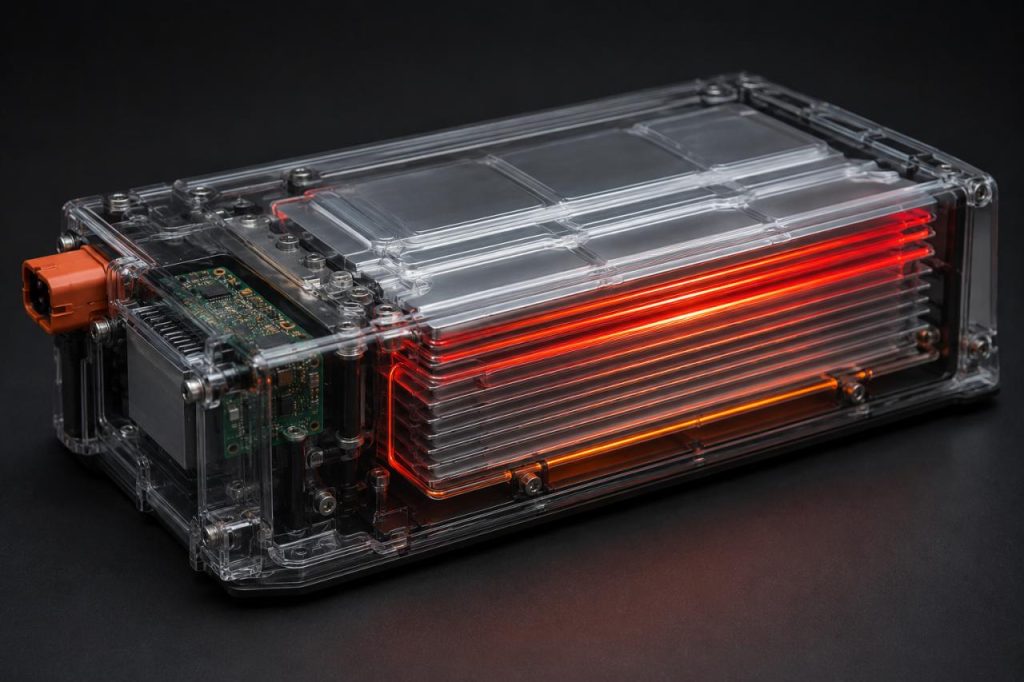
Higher charge rates and sustained heavy discharge compress the margin around those three protections. The separator still shuts down at its rated threshold, and the pouch still vents the way it’s supposed to. The buffer before either one triggers shrinks as the current draw climbs. A cell discharging at 1C generates far less internal heat than one pushed to 5C or higher. That heat has to go somewhere.
If your product runs frequent fast-charge cycles or pulls high current in short bursts, pay attention to that shrinking buffer. Zenilove’s custom polymer battery solutions account for these higher-stress charge profiles at the design stage. That beats relying on a generic pack rated for lighter use and hoping it holds up.
Heat Safety Comes From Design
Put the pieces together, and a clear picture forms. The gel electrolyte generates heat in a predictable way. Normal warmth and thermal runaway start from very different triggers. The pouch, the separator, and the cell’s rated cycle life all work together. They keep the heat contained instead of letting it compound. Push the charge rate or discharge current higher, and the margin around those protections narrows. That’s exactly why the underlying design matters more than the capacity number on a spec sheet.
None of this comes down to luck. A lithium ion polymer battery that handles heat well does so for a reason. Someone engineered it that way, cell by cell and layer by layer. Some manufacturers just claim those layers exist. A lithium battery manufacturer that can show exactly how it specified them is the one worth building a product around.