

Is your polymer battery warm during use, even when the device seems to work normally? Mild warmth can occur while a battery supplies power, but warmth alone cannot tell you that everything is safe. The device’s operating instructions, the surrounding conditions, and any change from its usual behavior all matter.
A handheld device may also feel warm because its processor, display, or power electronics produce heat. Before assuming the battery is responsible, distinguish ordinary device warmth from excessive heat or signs of damage. Swelling, leakage, unusual smells, and unexpected noises call for an immediate stop.
Why Is Your Polymer Battery Warm During Use?
A battery does more than store electricity. As it supplies current, internal resistance and electrochemical processes can generate heat, which then travels through the battery pack and surrounding enclosure.
The amount of heat depends partly on the task. A device running a motor, transmitting data, or performing demanding processing can draw more power than the same device sitting idle. Changes in current demand can therefore change how warm the equipment becomes.
However, a demanding task does not make every temperature rise acceptable. The battery, protection circuit, wiring, and finished device must all operate within their specified limits. A general explanation of heat generation cannot replace the instructions for your particular equipment.
Different polymer batteries also serve different applications. Their size, capacity, construction, and intended operating conditions vary, so another device’s behavior is a poor benchmark for your own.
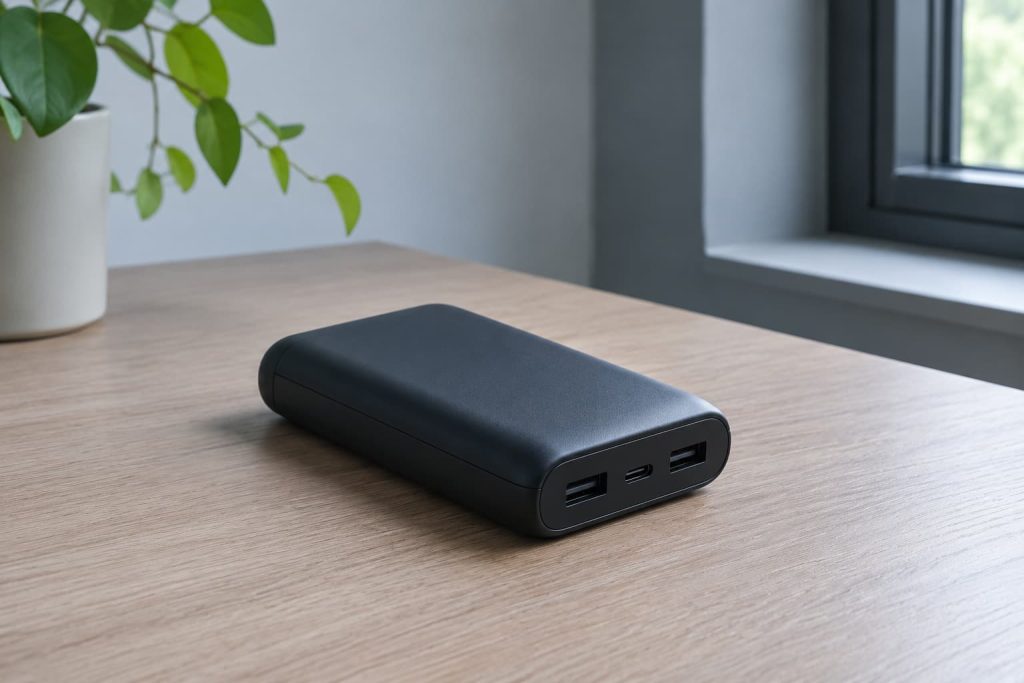
A Warm Device Case Does Not Identify the Heat Source
The outside of a portable device combines heat from several components. A processor can warm the rear cover, while charging electronics may warm an area near the charging port. Heat can also spread away from its original source.
For example, a handheld terminal may feel warmer during continuous communication than during standby. That observation describes a change in operating conditions; it does not identify the battery as the cause or establish that the temperature is acceptable.
Avoid opening a sealed device to locate the warm component. Ordinary users should rely on the manufacturer’s instructions and observations they can make without dismantling the equipment. A qualified service team can investigate the actual heat source when necessary.
When Does LiPo Battery Warmth Need Attention?
Familiar, mild warmth during an approved task may be consistent with expected operation. Even then, follow the manufacturer’s limits and pay attention to changes. Being able to hold the device comfortably does not prove that the internal battery temperature is safe.
New or worsening heat deserves more attention. A device that suddenly becomes much warmer during the same task may have a changed operating condition, a component problem, or another issue that needs assessment.
Use the observations below to decide what information to report and when to stop. These are response cues, rather than a substitute for the device manual.
| Observation | What it can tell you | Appropriate response |
|---|---|---|
| Familiar mild warmth during an approved task | Warmth appears under known operating conditions | Follow the manual and watch for changes |
| Noticeably more heat during the same task | The device’s behavior has changed | Stop use and seek manufacturer guidance |
| Unexplained heat during little or no activity | The cause is unclear | Stop use and arrange assessment |
| A temperature warning or unexpected shutdown | The device has reported or experienced abnormal operation | Follow its warning and service instructions |
| Swelling, leakage, unusual odor, or unexpected noises | The battery or device may be failing | Stop use and avoid handling a hazardous device |
| Smoke or fire | An emergency may be developing | Leave the area and contact emergency services |
When describing a polymer battery warm during use, include the change you noticed rather than simply saying “it gets hot.” The task, surroundings, charging status, and accompanying symptoms make the report more useful.
Polymer Battery Overheating Signs That Mean Stop
Excessive heat becomes especially concerning when it appears alongside a physical change or unusual behavior. The U.S. Fire Administration’s battery fire safety guidance identifies warning signs including changes in shape or color, leakage, odor, excessive heat, and odd noises.
Stop using equipment that shows these signs. Switch it off or disconnect power only if you can do so safely. Do not pick up, carry, squeeze, puncture, or open a battery that is swollen, leaking, smoking, hissing, or dangerously hot.
If smoke or fire appears, leave the area and contact emergency services. Do not keep examining the device to confirm which component has failed.
A battery that cools down afterward still needs appropriate assessment. Cooling does not undo damage or establish that charging and using it again will be safe.
Check the Surroundings Without Repeating the Problem
The conditions around a device can affect how easily it releases heat. Direct sunlight, a hot vehicle, or fabric covering the enclosure can contribute to a temperature rise. Follow the device’s instructions for placement and operating conditions.
Record conditions you already observed instead of recreating a suspected overheating event. Useful details include where the device was, what it was doing, and whether anything covered it. Do not run the same task again merely to see whether it becomes hot a second time.
Avoid improvised cooling methods such as putting the device in a refrigerator, freezer, or water. Follow the manufacturer’s instructions for a warm or overheated device, and seek service advice when the cause is unclear.
Keep the distinction between prevention and emergency handling clear. Choosing an appropriate location before normal operation is sensible; moving a smoking or dangerously hot device can expose you to additional risk.
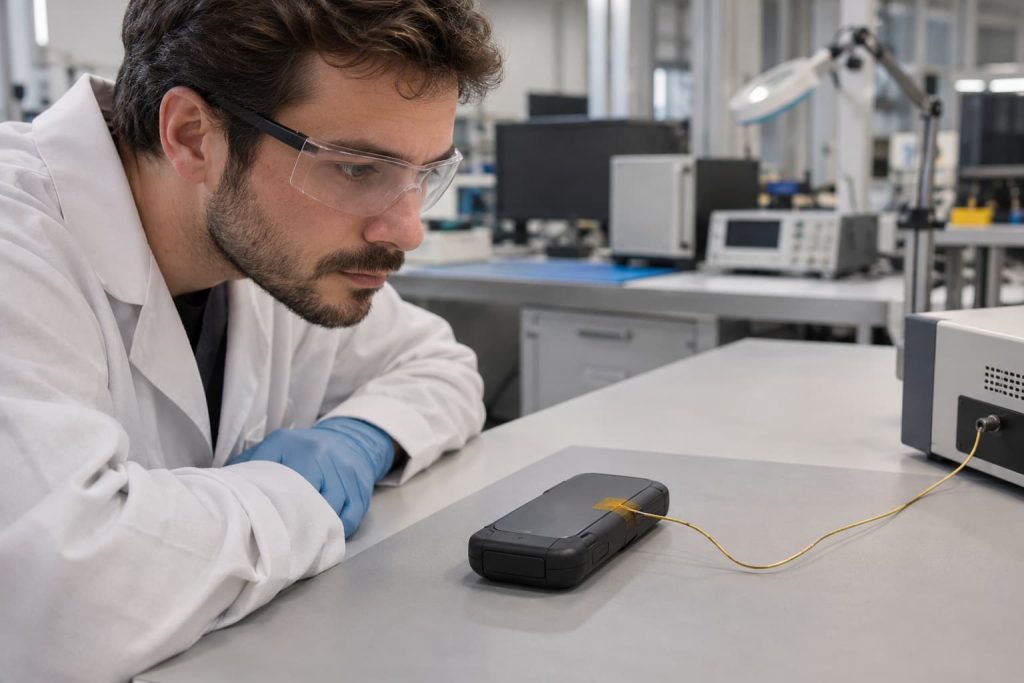
Does Charging Change Polymer Battery Temperature?
Charging introduces a different operating condition from discharge alone. If the device also runs a demanding task while connected to power, heat can come from the battery, charging circuit, and active electronics at the same time.
Check whether the manufacturer permits simultaneous charging and operation. Use the charger and accessories it specifies, and follow any instructions about cooling before charging. Connecting a warm device to power is not a way to diagnose or resolve unexplained heat.
A damaged or unusually hot battery should not receive another charging attempt simply because its remaining charge is low. Stop and obtain appropriate guidance before further use.
For equipment manufacturers, charging and operation need separate evaluation, along with any permitted combination of the two. Temperature behavior during standby cannot establish how the finished product will behave during its most demanding approved task.
A Larger Battery Does Not Automatically Run Cooler
Capacity describes stored charge; it does not establish the operating temperature of a finished device. Current demand, cell characteristics, pack construction, connections, protection settings, and the enclosure all affect thermal behavior.
For example, the capacity and voltage listed for a 16000mAh 3.7V pack help identify that product’s electrical configuration. Those figures alone do not show how warm it will become inside a particular device.
A replacement also needs more than a matching connector or similar dimensions. Use a manufacturer-approved replacement and follow the device’s service instructions. An apparently compatible pack may have different electrical or protection requirements.
For a new product, battery pack design should account for the actual load, charging method, available space, and operating environment. Controlled evaluation of the assembled device provides more useful evidence than comparing capacity labels.
What to Report About Battery Heating During Operation
A useful report explains what happened without requiring further testing. Start with the device model and the activity underway when you noticed the warmth. Include the charging status, charger model if relevant, and any warning messages that appeared.
Describe changes from earlier use as clearly as possible. “Warmer than usual during the same task” is more informative than a temperature guess based on touch. Mention swelling, odor, leakage, noises, or shutdowns immediately.
For an existing consumer device, contact its manufacturer or authorized service provider. They can interpret the observation against the finished product’s instructions and service requirements.
If you are developing equipment, share the device requirements and symptoms with the battery engineering team. Include the load profile, enclosure arrangement, charging conditions, and existing test records so qualified personnel can plan an appropriate assessment.
Some Warmth Can Occur; Unusual Heat Requires a Stop
A polymer battery warm during use may reflect ordinary power delivery, surrounding device heat, or an operating problem. The sensation of warmth cannot distinguish those possibilities by itself, and there is no universal touch test or temperature limit for every product.
Follow the instructions for the specific device and battery. Stop using equipment that develops excessive or unexplained heat, physical changes, unusual smells, leakage, or unexpected noises. The useful next step is to report the conditions and obtain appropriate guidance, rather than continue operating it to test the problem.