
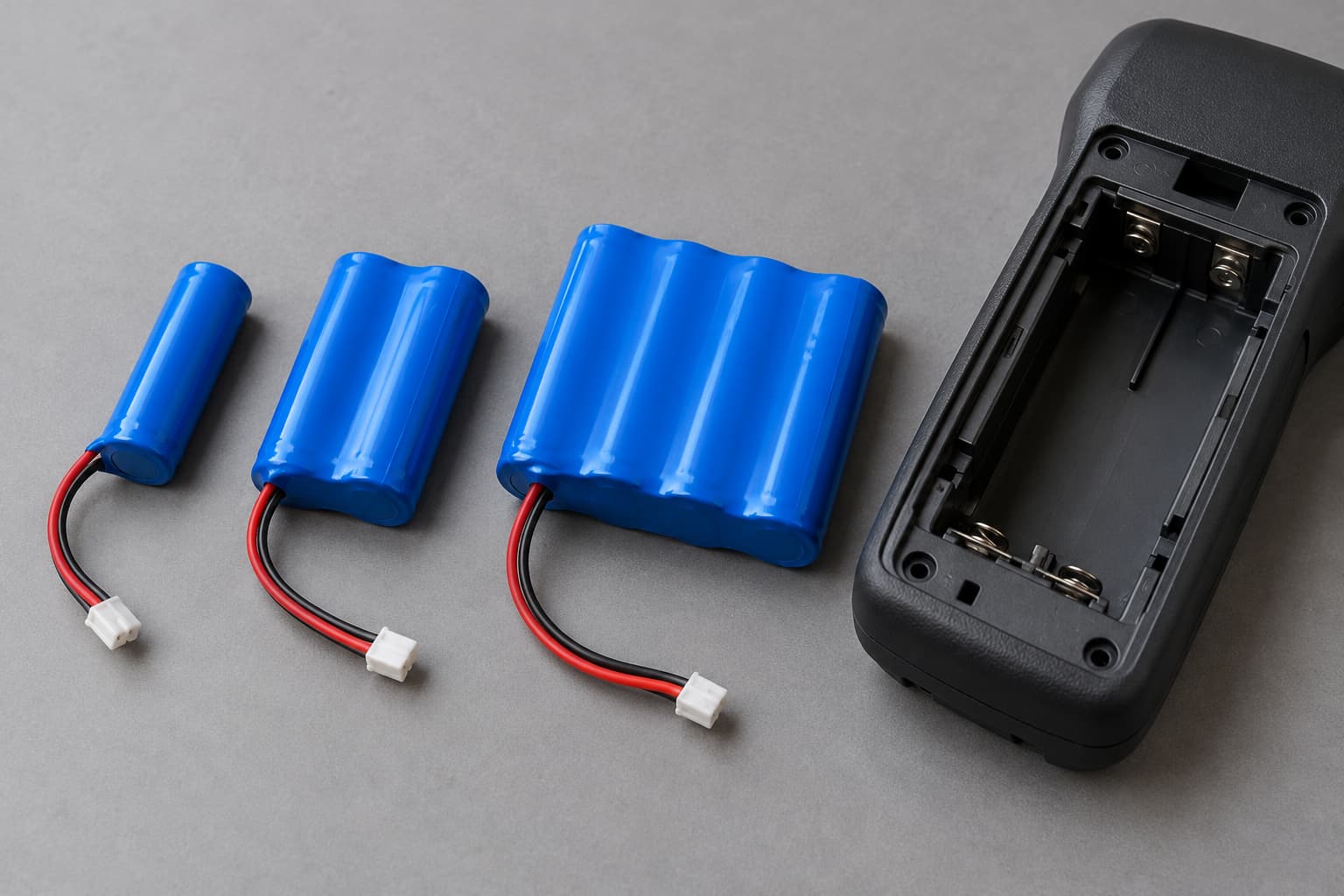
Battery pack capacity should match how long the equipment needs to run, how people use it and how often they can recharge it. The right starting point is a clear description of daily use, together with the battery space available inside the device.
You do not need to calculate everything before contacting a supplier. Explain the equipment, the expected working time and the charging arrangement. If power consumption is still unknown, say so. The supplier can identify which measurements or sample tests are needed before recommending a pack.
Start with the working time your customer expects
“Three days of battery life” can mean different things. One device may work continuously for three days. Another may remain available for three days while users operate it for only a few minutes at a time.
Describe a typical day. Include how long the screen stays on, how often the device takes measurements and whether it sends information automatically. Mention busy days as well as normal use.
When discussing custom battery pack solutions, give the supplier a practical target, such as completing a normal work shift without recharging. This is easier to evaluate than asking for the largest battery that might fit.
Why battery pack capacity alone cannot promise runtime
A higher capacity means more stored charge, but runtime also depends on how much power the equipment consumes. A small sensor and a handheld instrument with an illuminated screen can use similar-looking batteries very differently.
Even two versions of the same device may have different battery life. A brighter display, more frequent readings or longer communication sessions can change the result.
Texas Instruments explains how time spent working and waiting affects consumption in its technical report on power use during active and standby operation. For a buyer, the practical point is straightforward: tell the supplier what the equipment does throughout the day, including the time it spends waiting.
Battery capacity for standby devices needs a clear use description
A device can consume power while it appears inactive. It may keep a sensor running, check for messages or wake periodically to send information.
Consider a monitoring device that reports once an hour. Its battery needs may change if the reporting interval becomes once a minute. Poor communication can also lead to repeated attempts to send the same information.
Tell the supplier how often the device wakes and what it does each time. If these settings can change, describe the setting used for the promised battery life. Otherwise, a battery approved for one operating schedule may disappoint customers using another.
A larger battery pack may create other problems
Increasing capacity can require a larger or heavier assembly. It may affect the battery compartment, mounting arrangement, wiring or charging time.
Before requesting more capacity, confirm which limits the equipment team can change. Can the housing become larger? Is additional weight acceptable? Can users leave the device charging for longer?
A cylindrical lithium ion battery assembly is one option to discuss when reviewing available space. The supplier still needs the proposed dimensions and operating information to assess fit. Choose the pack as part of the complete equipment design rather than deciding from a capacity number alone.
Charging frequency helps define the capacity target
Ask how users will recharge the equipment. A device returned to a charging station every evening has a different target from equipment left unattended for several days.
Describe the charger, available charging time and access to power. Include any situation in which users may miss a charging opportunity.
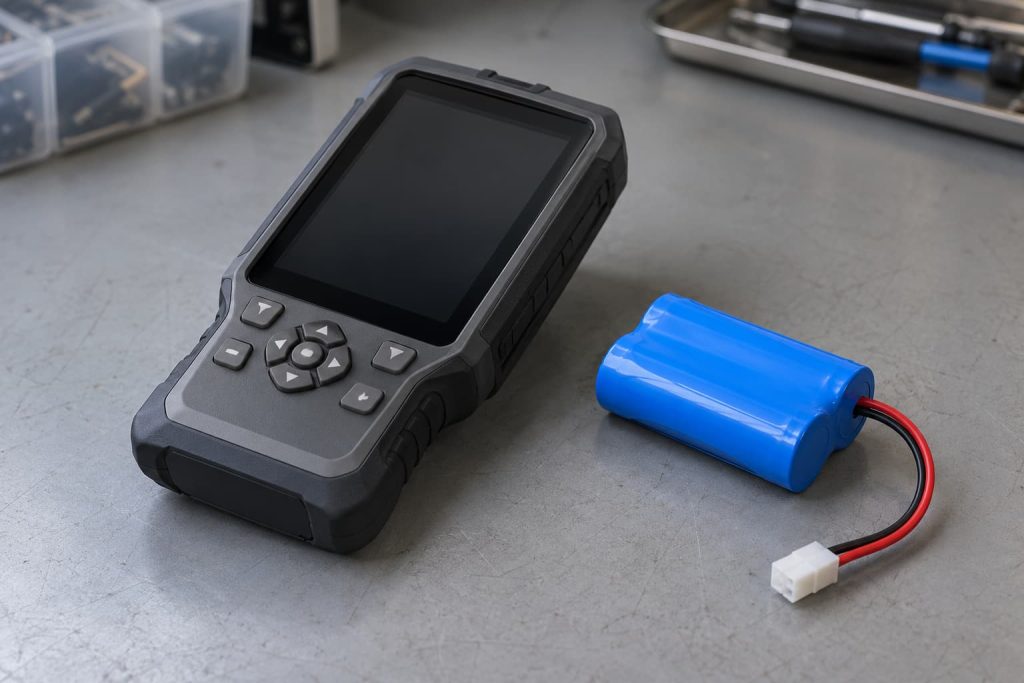
For example, a portable inspection instrument might need to complete one busy shift and recharge overnight. The buyer should explain a realistic busy shift, including screen use and inspection frequency. That gives the supplier a useful basis for recommending a candidate pack and agreeing on a runtime test.

What buyers should send before requesting a battery recommendation
You can prepare a useful enquiry without knowing every electrical detail. Start with the information available, then identify anything the engineering team still needs to confirm.
| Information to provide | A simple way to describe it |
|---|---|
| Equipment | What the device does and who uses it |
| Required runtime | One shift, several days or another defined period |
| Daily use | How often it works and how long each use lasts |
| Charging | Charger information and time available to recharge |
| Available space | Battery compartment dimensions or a drawing |
| Working conditions | Indoor use, outdoor use or a specified temperature range |
| Existing battery | Model, specification and current runtime, if available |
| Purchase plan | Sample quantity and expected production orders |
If you have an existing sample, send its battery information and explain the problem you want to solve. “The current pack lasts half a shift” gives the supplier a starting point for investigation.
A reference product such as the 18650 5200mAh Battery Pack can help describe the type of assembly you are considering. Its published capacity does not, by itself, confirm how long your equipment will run.
Confirm battery pack runtime in the actual equipment
After the supplier proposes a pack, test it in the intended device using the agreed daily routine. Record how long it runs and what happens when the battery gets low.
Use representative equipment settings and working conditions. Check busy-use operation as well as the normal routine if both matter to customers.
If runtime falls short, review the cause with the supplier before ordering a larger pack. The equipment may work more often than expected, remain awake unnecessarily or stop before it can use the available charge. A review helps the team decide which change addresses the problem.
The right battery pack capacity follows a realistic use target
Choose battery pack capacity around a defined working period, daily activity, charging arrangement and available space. These details help the supplier propose an assembly that fits the equipment and supports the intended use.
Before approving production, confirm the runtime in the complete device. Keep the operating settings and test conditions with the approved specification so engineering, purchasing and the supplier understand what the battery is expected to deliver.