
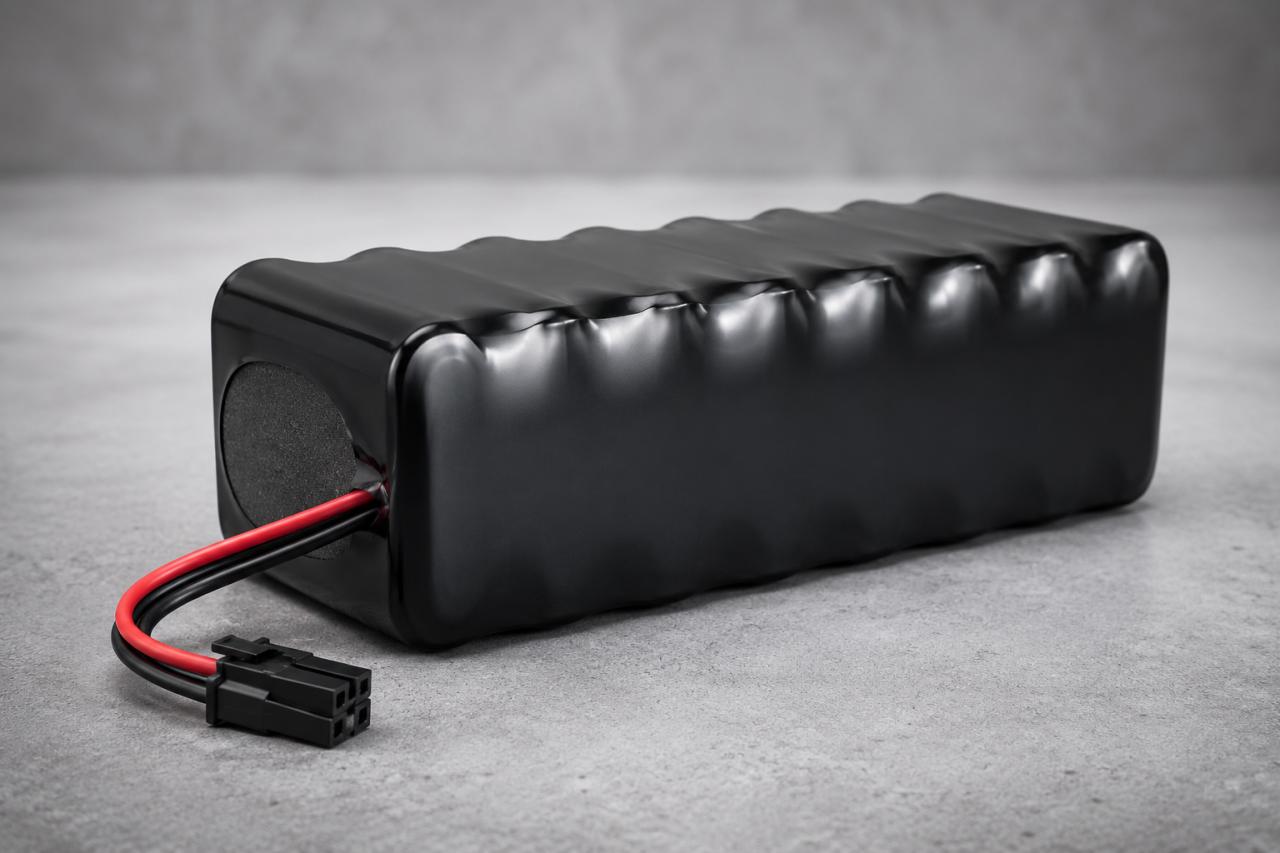
A 21700 battery pack can use different cell configurations depending on the device’s voltage, capacity, runtime, and internal space requirements. Among these structures, 3S1P and 3S2P are common options for equipment that requires a higher-voltage platform than a single cell can provide.
The difference between 3S1P and 3S2P is not only the number of cells. It changes how much energy the pack stores, how long the device can run, how large the pack becomes, and how the protection circuit should be designed. For buyers comparing a 21700 lithium battery pack, the first step is to understand what the series and parallel numbers actually mean.
What Does 3S1P Mean in a 21700 Battery Pack?
In a 21700 battery pack, 3S1P means three cells are connected in series, with one cell in each parallel group. “3S” means three cells in series. “1P” means one cell in parallel.
A single 21700 lithium-ion cell usually has a nominal voltage around 3.6V or 3.7V. When three cells are connected in series, the voltages add. That gives a 3S1P pack a nominal voltage around 10.8V or 11.1V, depending on the cell specification and how the supplier labels the voltage platform.
Zenilove’s 21700 3S1P triangle battery pack uses a 10.8V nominal voltage and 4900mAh capacity. This structure supports devices that need higher voltage but still have limited internal space.
Why 3S1P Raises Voltage but Keeps Capacity Lower
Series and parallel connections change how a battery pack delivers voltage and capacity. A series connection increases voltage, but it does not increase capacity. If one 21700 cell is 4900mAh, a 3S1P pack made with three matching cells still has about 4900mAh capacity.
This makes 3S1P useful for devices that need a higher-voltage platform but do not require a large energy reserve. It also keeps the cell count lower, which can help reduce pack size and weight.
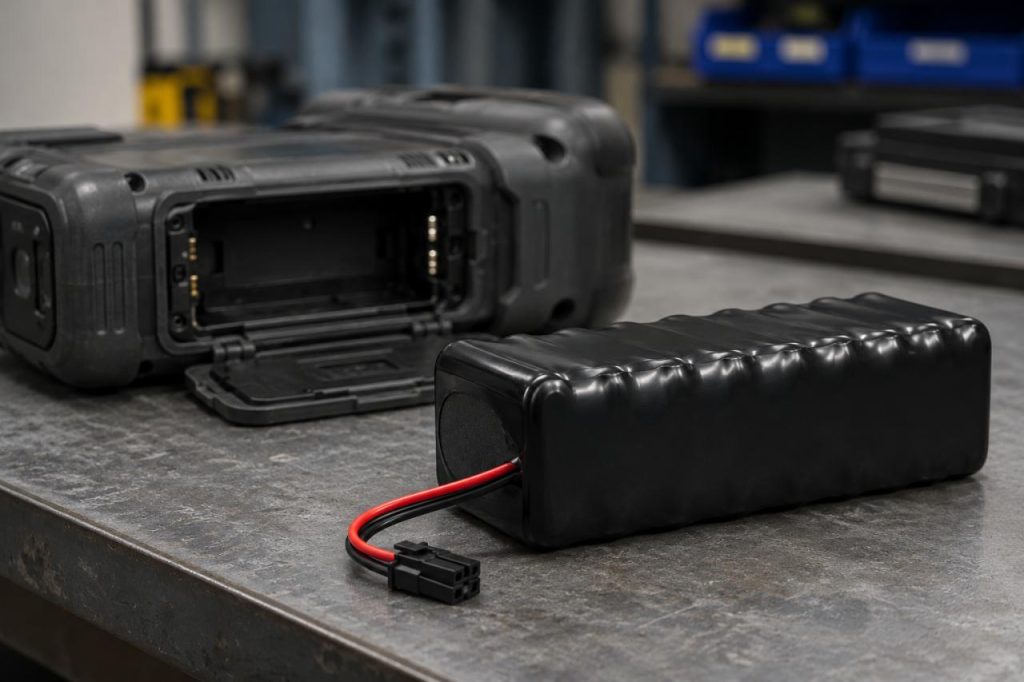
What Does 3S2P Mean in a 21700 Battery Pack?
In a 21700 battery pack, 3S2P means three cell groups are connected in series, and each group has two cells connected in parallel. A 3S2P pack typically uses six 21700 cells.
The voltage platform stays similar to 3S1P because both structures use three series groups. The main difference is capacity. Since each series group contains two cells in parallel, the pack stores more energy and can support longer runtime.
Zenilove’s 21700 3S2P battery pack uses a 10.8V nominal voltage and 9800mAh capacity. Compared with a 3S1P pack built from the same 4900mAh cell type, the 3S2P structure doubles the capacity while keeping the same voltage platform.
Why 3S2P Adds Capacity Without Changing the Voltage Platform
Parallel connection increases capacity while keeping the voltage the same. In a 3S2P structure, two 4900mAh cells in parallel create one 9800mAh parallel group. Then, three of those groups are connected in series to form the higher voltage pack.
This is why a 3S2P pack can provide longer runtime than a 3S1P pack, as long as the device load, discharge efficiency, protection settings, and operating temperature remain similar.
3S1P vs 3S2P in a 21700 Battery Pack
The main difference between 3S1P and 3S2P in a 21700 battery pack is capacity, not voltage. Both structures can provide a nominal voltage of 10.8V or 11.1V. The 3S2P structure uses more cells, so it provides higher capacity and longer runtime, but it also becomes larger and heavier.
| Item | 3S1P 21700 Battery Pack | 3S2P 21700 Battery Pack |
|---|---|---|
| Cell Count | 3 cells | 6 cells |
| Series Groups | 3 | 3 |
| Parallel Cells per Group | 1 | 2 |
| Nominal Voltage | About 10.8V / 11.1V | About 10.8V / 11.1V |
| Capacity Example | 4900mAh | 9800mAh |
| Runtime | Moderate | Longer |
| Size | Smaller | Larger |
| Weight | Lower | Higher |
| Best Use Case | Compact devices | Longer-runtime devices |
This comparison is useful when the device already needs a 3S voltage platform, but the project team still needs to decide whether the product requires a compact pack or a longer-running pack.
How 3S1P and 3S2P Affect Runtime in a 21700 Battery Pack
Runtime depends on capacity, load current, discharge efficiency, temperature, and the protection circuit setting. A 3S2P pack usually runs longer than a 3S1P pack because it has more capacity. In simple terms, if the same device uses the same current, a 9800mAh pack can support longer operation than a 4900mAh pack.
The actual runtime may not double perfectly. Motors, control boards, voltage conversion circuits, and operating temperature can all affect actual output performance. A device with frequent startup current peaks may drain the pack differently from a device with steady, low current.
This is why buyers should not compare battery packs only by mAh. The better method is to check the device’s rated current, peak current, working cycle, standby mode, and expected runtime before choosing the battery structure.
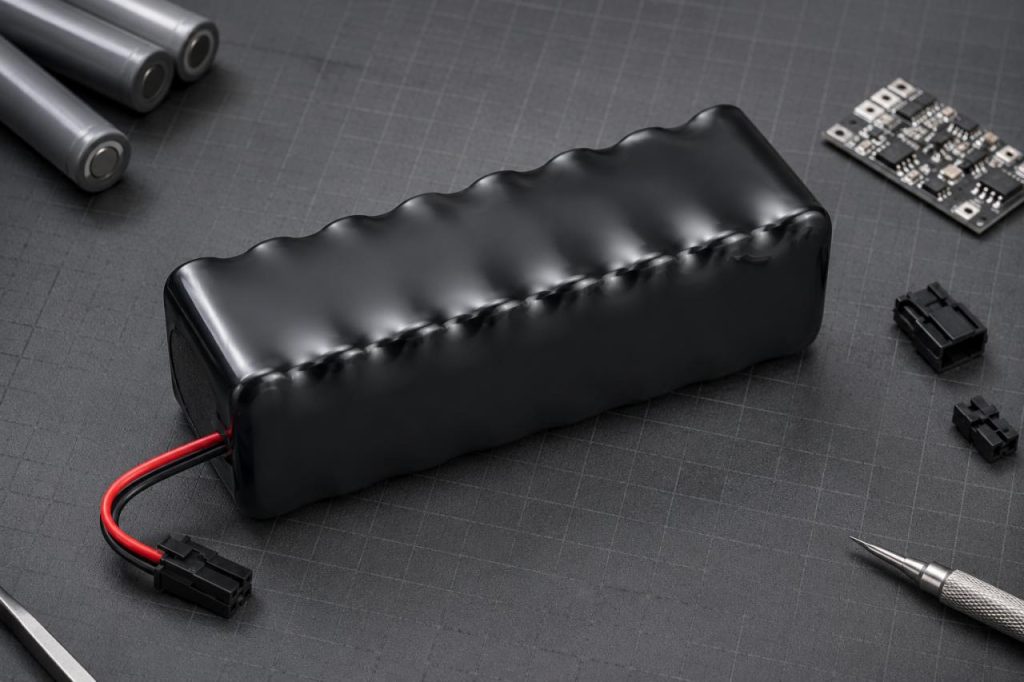
When Should You Use a 3S1P 21700 Battery Pack?
A 3S1P 21700 battery pack is a better choice when the device needs a higher voltage platform but has limited space for the battery. It uses fewer cells than a 3S2P pack, so the final pack can be lighter and more compact.
This structure can work well for portable equipment, handheld devices, compact tools, control modules, and products with moderate runtime needs. It also suits projects where the battery compartment cannot hold six cells, or where weight matters more than maximum capacity.
Zenilove’s triangle battery pack shows how the cell layout can also support space use. A triangle structure can help when the device housing has an irregular internal shape and a standard straight pack does not fit well.
When Should You Use a 3S2P 21700 Battery Pack?
A 3S2P 21700 battery pack is a better choice when the device needs longer runtime, higher energy storage, or more stable operation under higher energy demand. It uses six cells, so it requires more internal space, but it gives the device a larger capacity reserve.
This structure can support power tools, portable equipment, industrial devices, small energy systems, backup power products, and other applications requiring longer run time per charge. For projects where downtime matters, the added capacity can make the product more practical for real use.
Zenilove’s 21700 3S2P battery pack provides 10.8V and 9800mAh, with a listed energy value of 105.84Wh. That makes it more suitable than 3S1P when the device needs the same voltage platform but a longer operating time.
What to Confirm Before Choosing a 3S2P Battery Structure
Before choosing 3S2P, confirm whether the device has enough space for six cells, the protection board, insulation materials, wires, connectors, and mounting structure. The pack should not be selected only because the capacity looks better.
Buyers should also check charging voltage, standard charging current, maximum discharge demand, overcurrent protection, short-circuit protection, and operating temperature range. In custom battery projects, these details should be confirmed before sample production, not after the housing design is already finished.
The Difference Between 3S1P and 3S2P in a 21700 Battery Pack Comes Down to Capacity and Size
The difference between 3S1P and 3S2P in a 21700 battery pack mainly comes down to capacity, runtime, size, and weight. Both structures can use a similar 10.8V or 11.1V voltage platform because both are based on three cells in series.
A 3S1P pack uses fewer cells, so it is more compact and lighter. It works better when the device needs a higher voltage but has limited internal space or moderate runtime needs. A 3S2P pack uses more cells, so it provides higher capacity and longer runtime, but it also requires more space and adds more weight.
For custom battery projects, the right choice should start from the device conditions. Check voltage first, then calculate runtime, confirm the battery compartment size, review current demand, and match the protection circuit. A well-designed 21700 battery pack should fit the device electrically, mechanically, and safely.