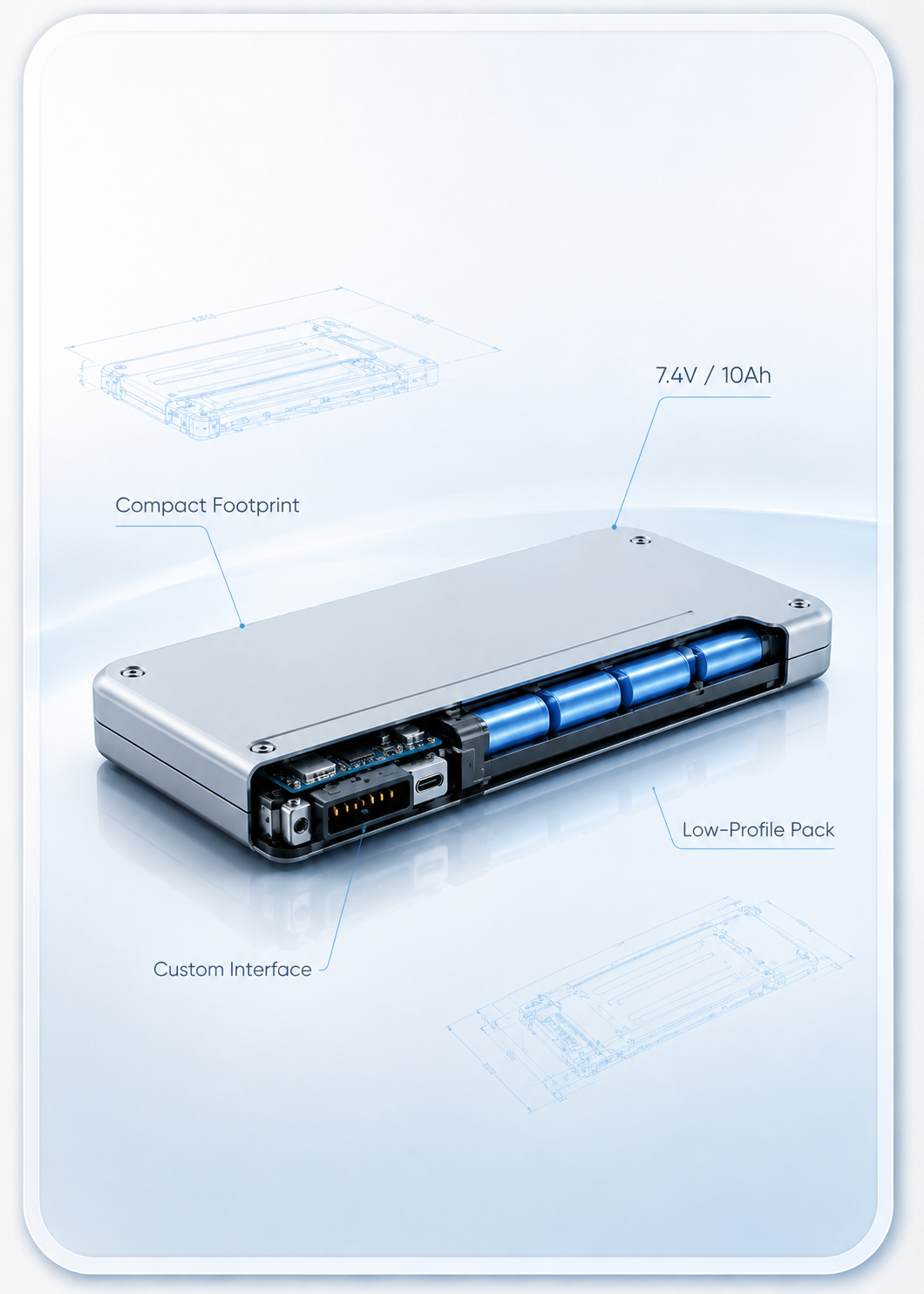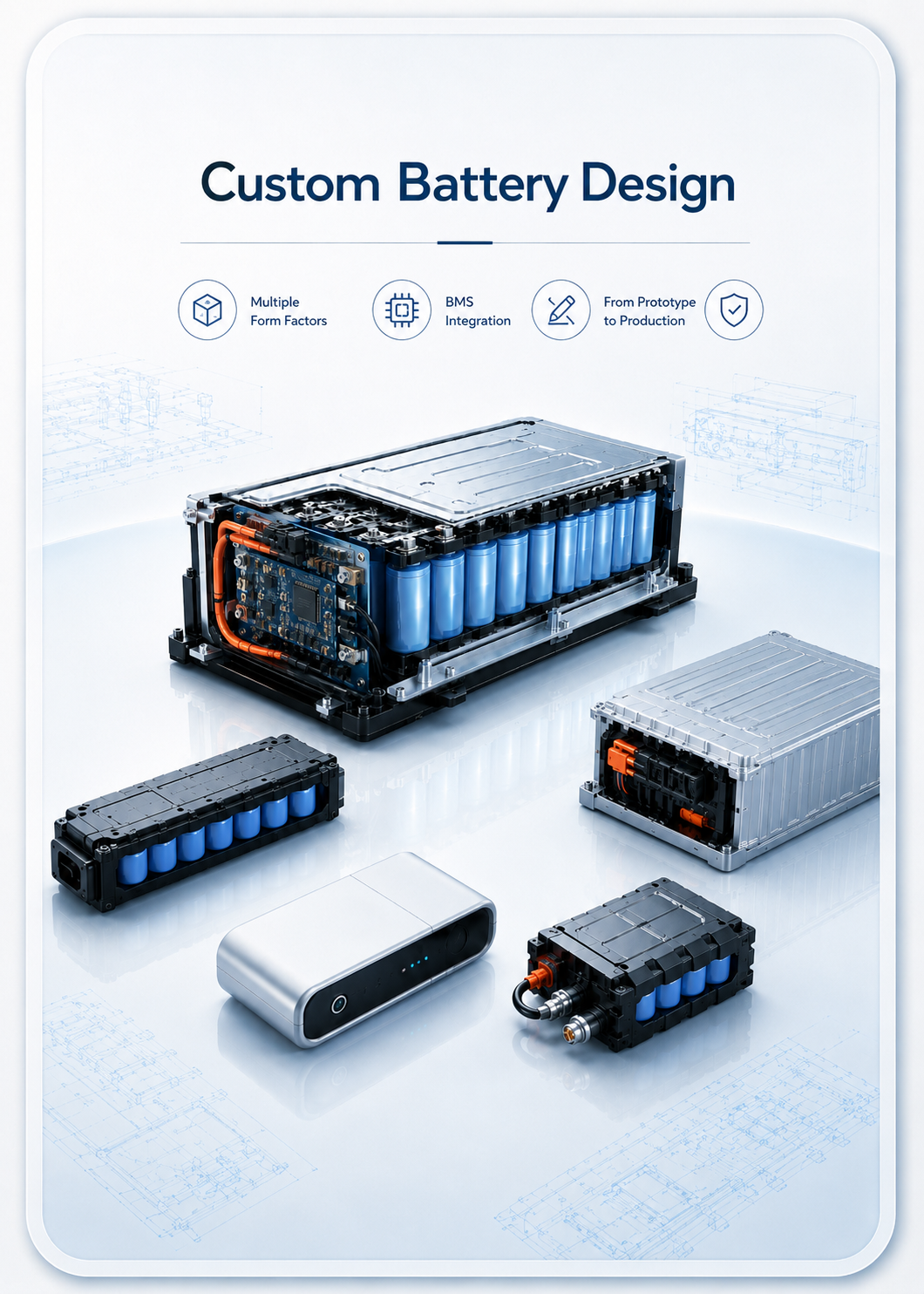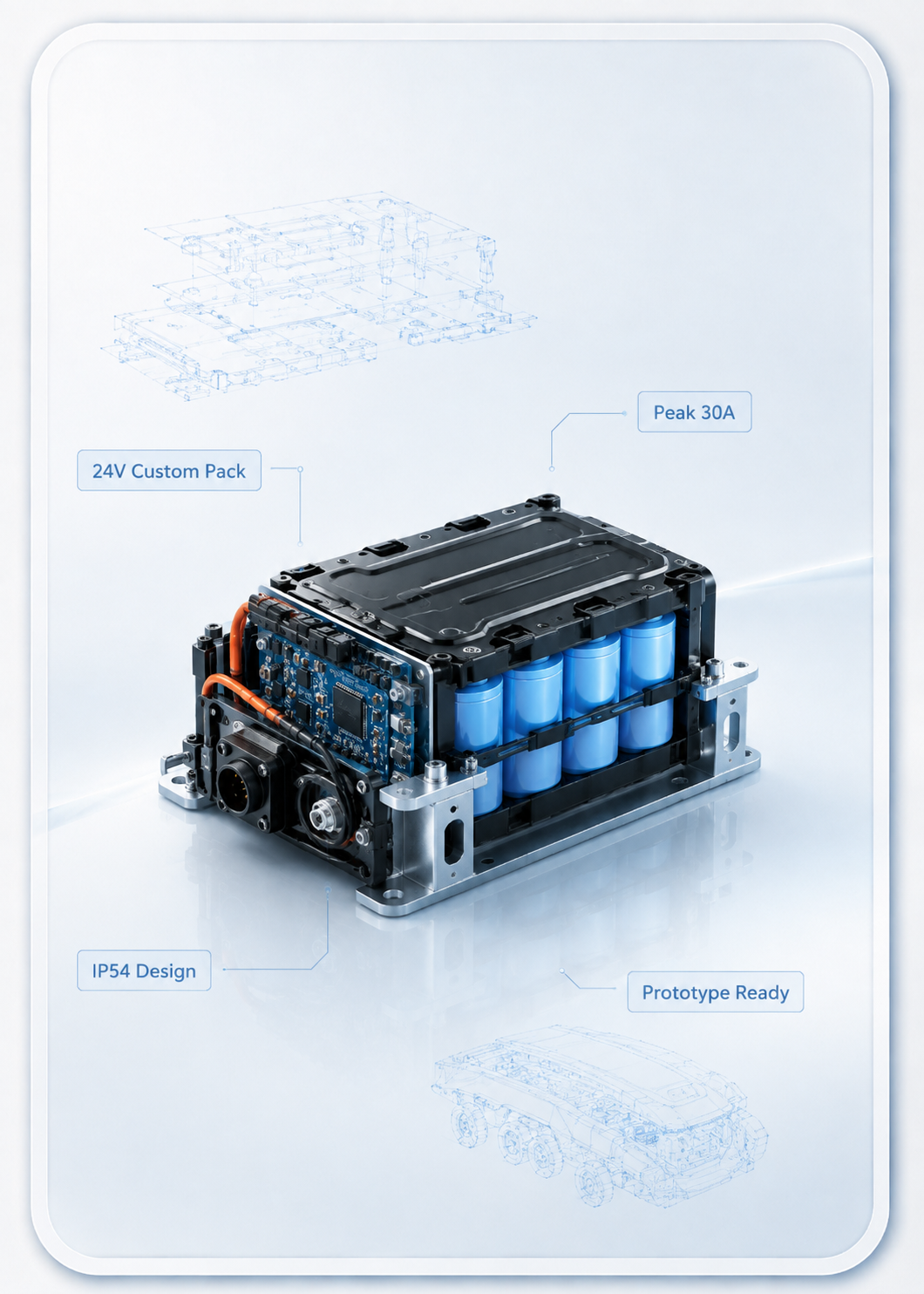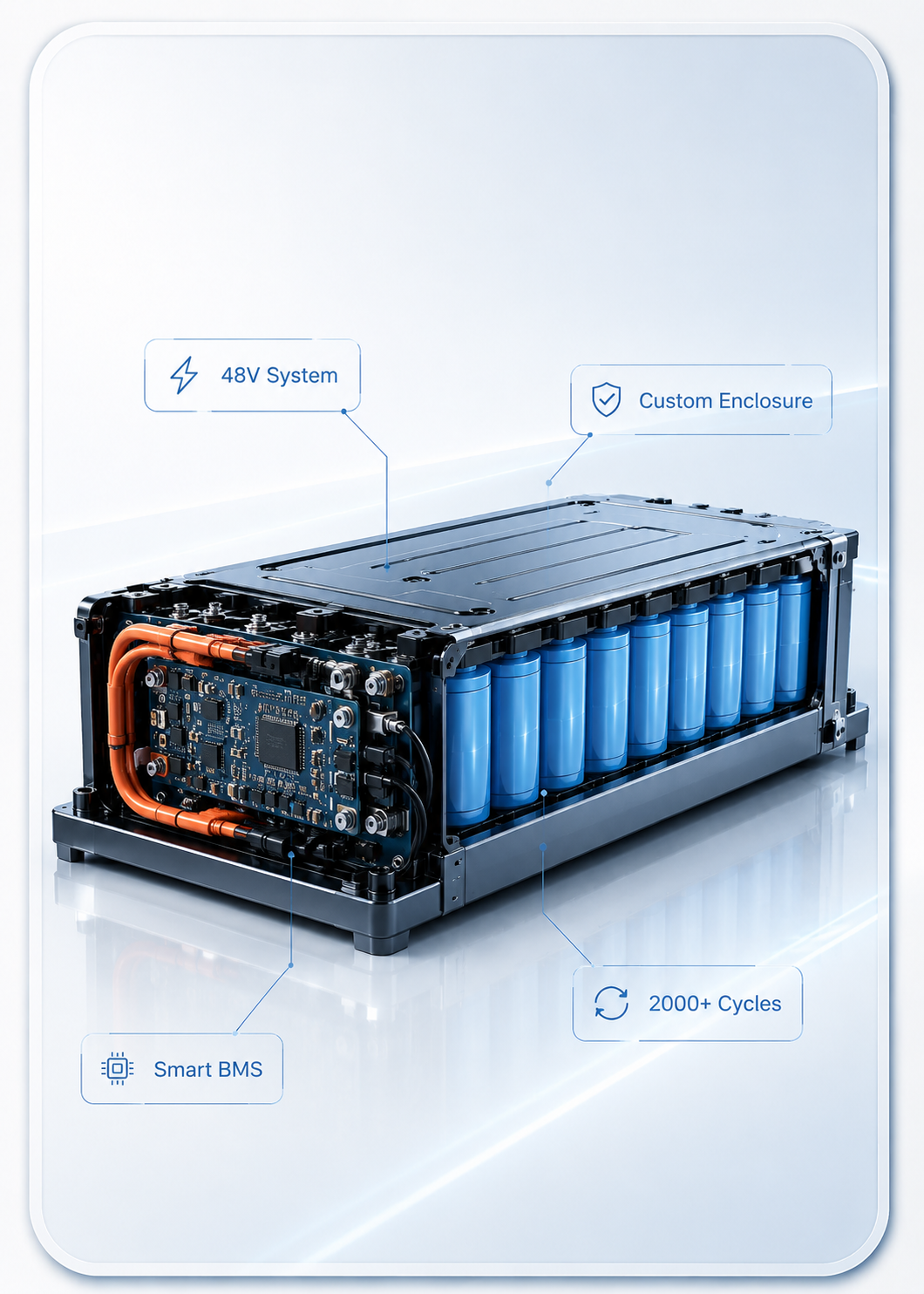
Zenilove works with product teams through a JDM model that combines application knowledge, Custom Battery Design, Custom Battery Engineering, BMS development, mechanical integration, prototype validation, and production planning. Our Battery Co-Development approach supports products that require close technical collaboration, Joint Battery Design, and a battery system developed around real device requirements rather than a standard battery specification.
HOW JDM DIFFERS FROM OEM AND ODM
A JDM Battery project is suitable when both teams need to participate in technical decisions instead of handing over a finished design or a simple requirement list.
You Design
For buyers that already have a finalized battery design, drawings, and technical specifications.
We Design
For projects where the manufacturer takes the main responsibility for battery design and implementation.
We Co-Develop
For products that need joint battery design, engineering review, prototype iteration, validation, and a controlled design freeze.
WHAT WE CO-DEVELOP WITH YOU
As a JDM Lithium Battery Manufacturer, Zenilove works through Battery Co-Development with your product team instead of treating battery engineering as a one-way supplier handoff. Here is what that collaboration looks like in practice.
Joint Application & Performance Definition
We start by working alongside your team to understand the application environment, target performance, space constraints, interfaces, and operating conditions. These inputs guide the Custom Battery Design and create a shared technical baseline for Joint Battery Design instead of a specification handed off after the main product decisions have already been made.
Co-Designed BMS & Cell Architecture
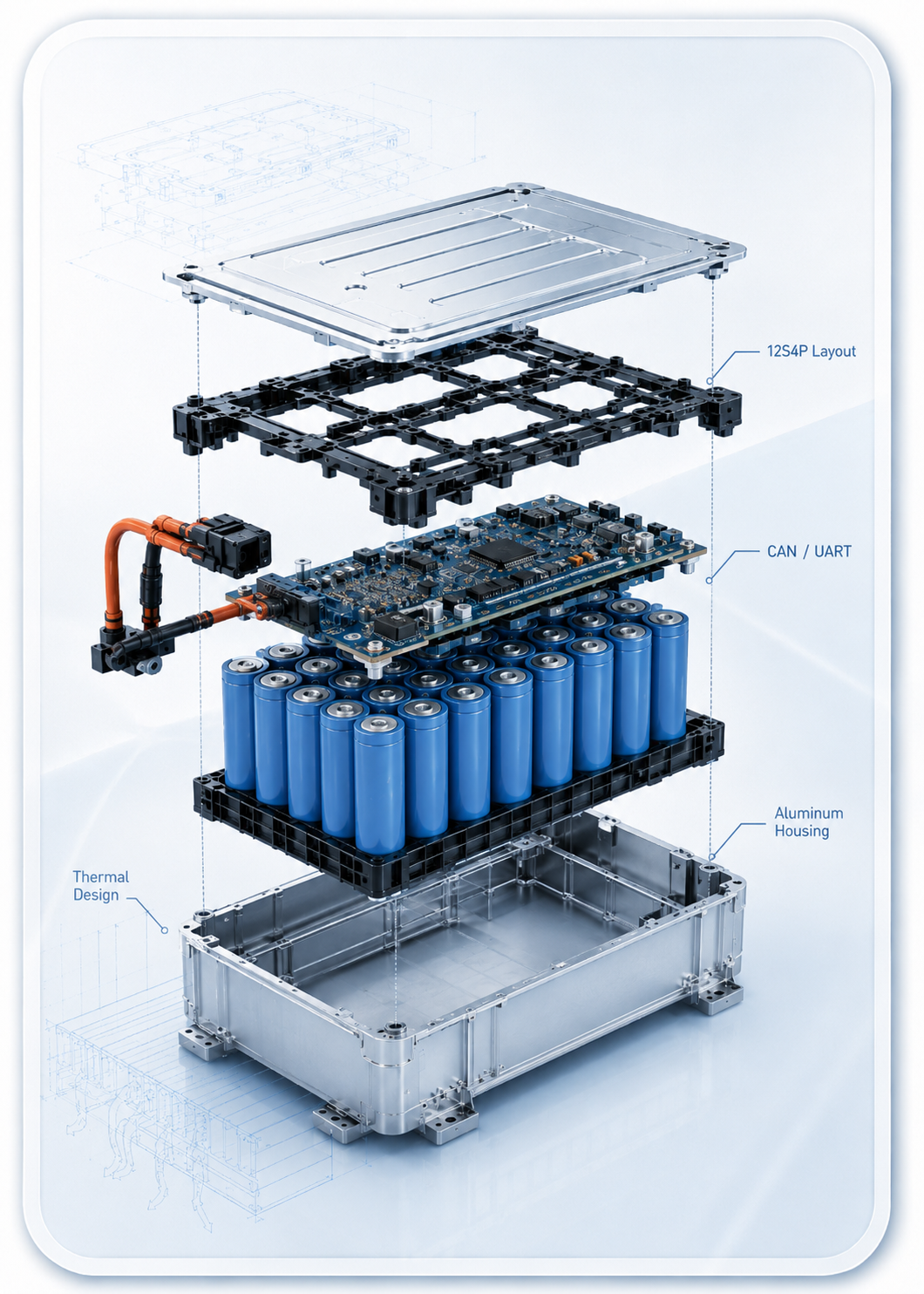
BMS logic, cell selection, electrical architecture, and pack structure are reviewed together. Your engineers define system interfaces and operating requirements, while our team contributes battery chemistry, protection design, thermal considerations, and manufacturing feasibility. This allows the Custom Battery Pack Design to move forward with practical Custom Battery Engineering from the early development stage.
Iterative Validation & Refinement
Testing and validation remain a shared process. We build prototypes, your team evaluates them in the real system, and both sides review the results before the next revision. This feedback loop helps refine the JDM Battery around actual performance, integration, and production requirements before the design is released for manufacturing.
HOW A JDM BATTERY PROJECT WORKS
A collaborative development process built around close technical engagement between your product team and our battery engineering team at every stage.
Initial Technical Discussion
We explore your application goals, technical constraints, performance expectations, and what makes your product unique — together.
Joint Design & Engineering
Both teams contribute to cell selection, BMS logic, pack structure, electrical interfaces, and the engineering decisions required for the battery system.
Prototype & Shared Testing
We build the prototype and your team evaluates it in the real system. Test results and technical feedback are then used to refine the next design iteration.
Production Preparation
Once the design has been validated, the project moves into production preparation with manufacturing controls and quality processes established for the approved design.
Delivery & Ongoing Support
The completed battery moves into delivery with the required documentation, while our engineering team remains available for future iterations and product development needs.
Define the Battery Around Your Product
Custom Battery Design starts with real product requirements. Through Battery Co-Development, our engineering team evaluates the electrical, mechanical, BMS, environmental, certification, and production inputs before the battery architecture is finalized.
Device & Use Case
What the battery powers, how the product operates, expected runtime, and real usage pattern.
Voltage & Capacity
Nominal voltage, energy requirement, runtime target, charging voltage, and operating range.
Continuous & Peak Current
Continuous demand, startup current, pulse load, peak power, and required operating margin.
Available Battery Space
Pack dimensions, enclosure limits, mounting points, cable routing, and connector position.
BMS Communication & Logic
Protection thresholds, CAN, UART, SMBus, I²C, status signals, and custom control behavior.
Operating Conditions
Temperature, vibration, humidity, charging environment, duty cycle, and installation conditions.
Target Market
Where the product will be sold, shipped, operated, and certified for commercial use.
Production Forecast
Prototype quantity, pilot build, annual volume, ramp-up plan, and future production scale.
Joint Battery Design
JDM Battery Engineering for Real-World Applications
As a JDM Lithium Battery Manufacturer, Zenilove combines your product knowledge with our Custom Battery Engineering. Through Battery Co-Development, we define the cell architecture, BMS, enclosure, and validation plan around each real-world application.
01 / 06
Industrial Equipment
Custom Battery Design for high loads, vibration, thermal extremes, and dependable operation across long industrial service cycles.
02 / 06
Electric Vehicles & Mobility
Each Custom Battery Pack Design balances range, peak current, rapid charging, thermal control, and compact vehicle integration.
03 / 06
Renewable Energy & Storage
Scalable storage designed around cycle life, charge strategy, remote monitoring, and stable solar or hybrid energy delivery.
04 / 06
Consumer Electronics
Compact, lightweight power for drones, robots, and portable devices where runtime, form factor, and safety define the experience.
05 / 06
Medical & Healthcare
Stable, safety-focused battery systems for critical devices requiring predictable discharge, traceability, and compliance support.
06 / 06
Logistics & Robotics
High-cycle packs for AGVs and robots requiring fast opportunity charging, smart communication, and continuous fleet availability.
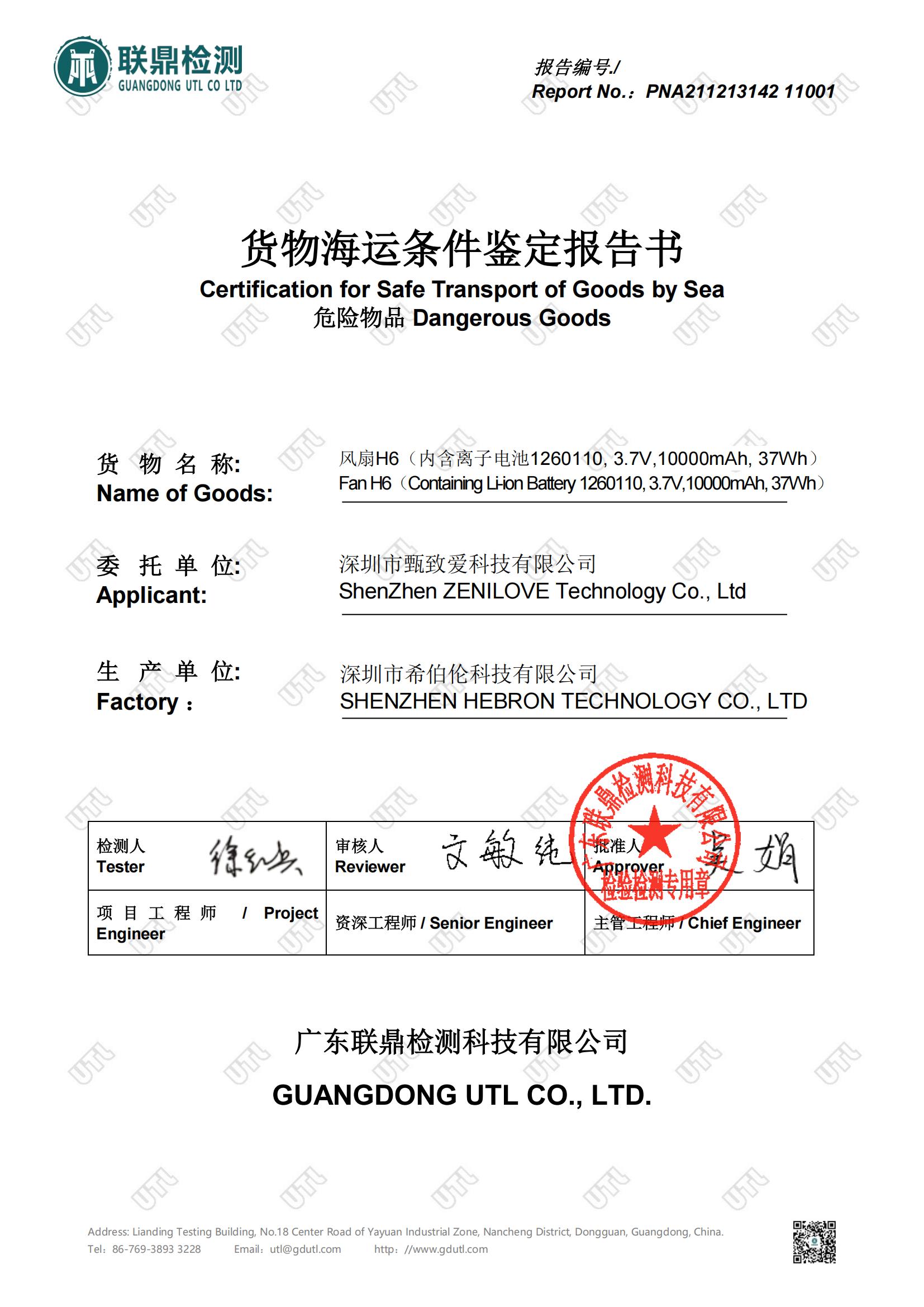
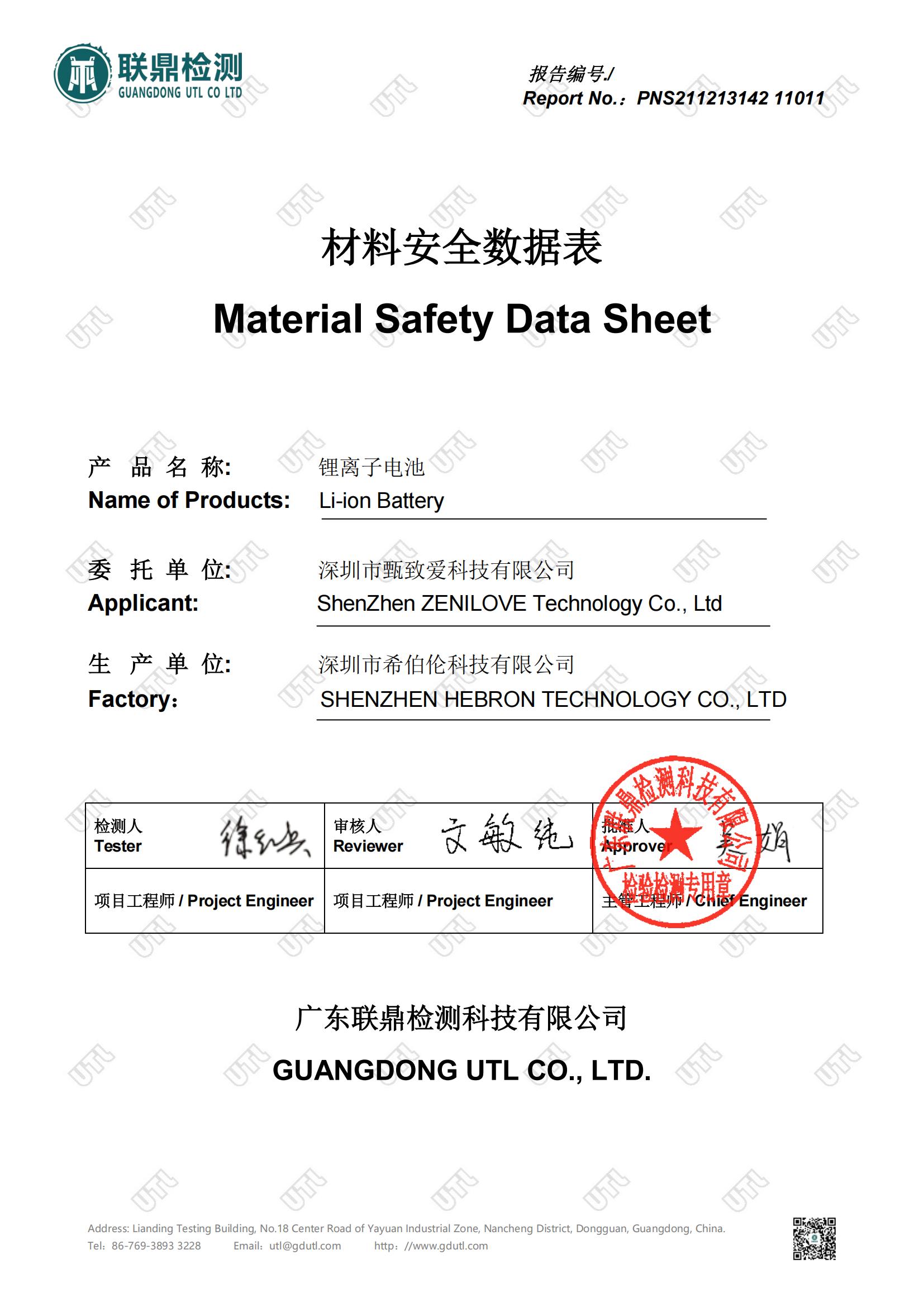
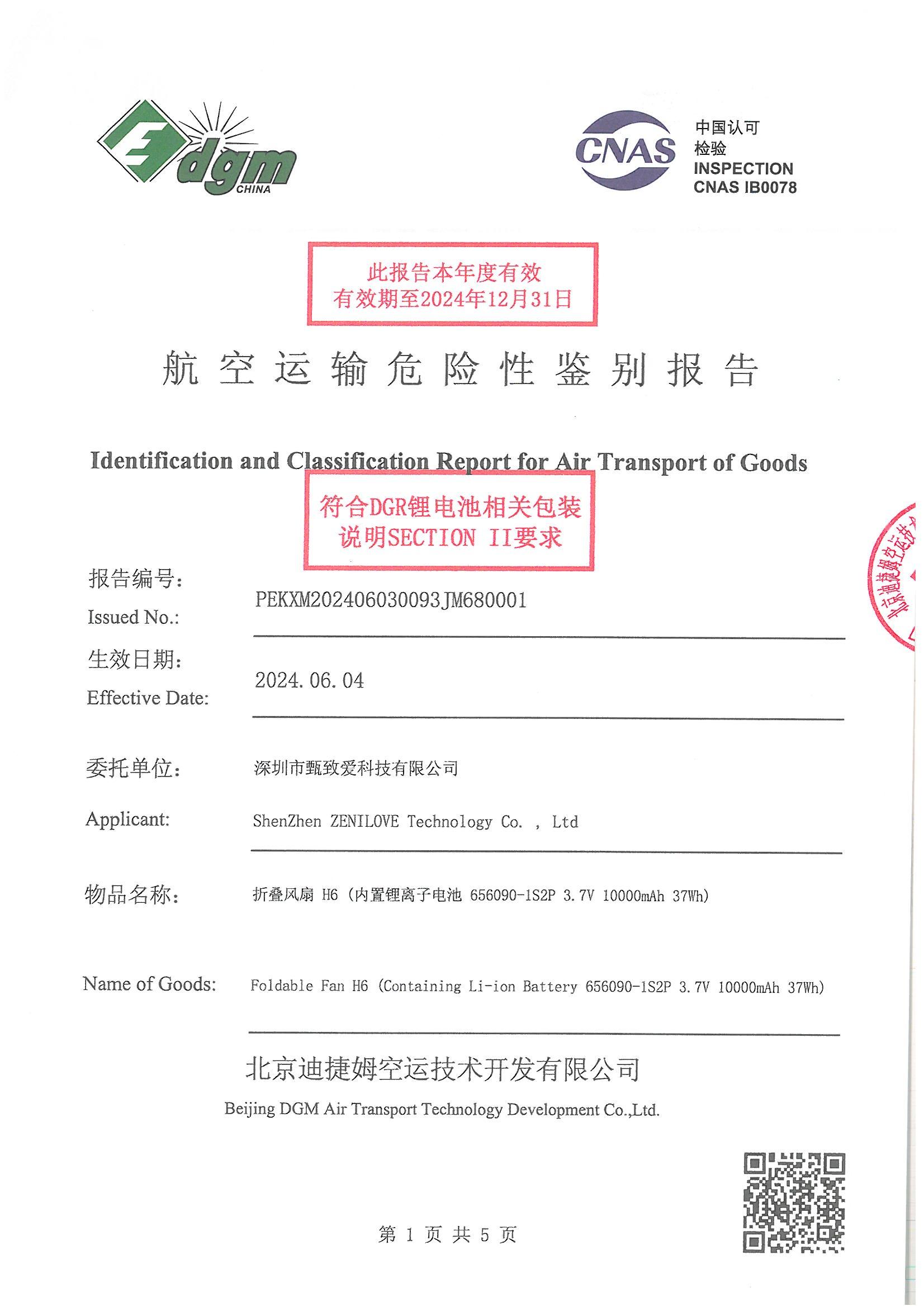
Our Certificates
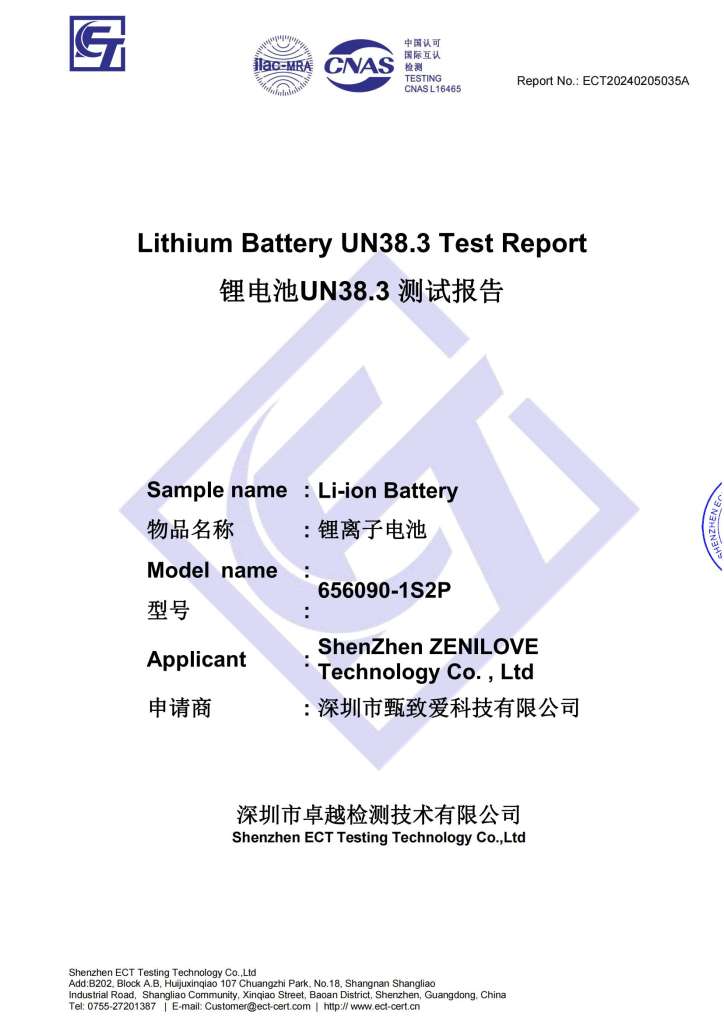
Our products are backed by a complete range of international certifications, ensuring proven safety, stability, and compliance for global markets.
Some General Question?
Yes. We can review an existing pack and adjust its size, capacity, connector, BMS, or mechanical structure for a new product requirement.
Design ownership and usage rights can be defined clearly at the start of the project based on the cooperation agreement.
Yes. Prototype feedback can be used to revise electrical, mechanical, or BMS details before the final design is frozen.
Yes, provided the selected components are technically suitable and can meet the project’s safety and production requirements.
Any proposed cell or component change should be reviewed and approved before it is introduced into the released design.